The Evolution Timeline: From 3-Axis to Next-Gen Milling (2020 → 2026)
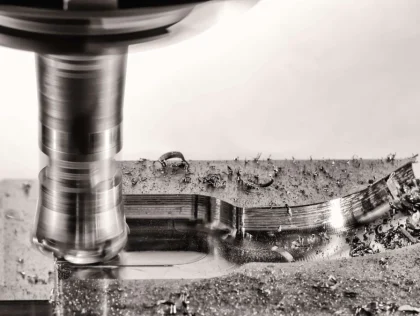
The last six years have seen rapid advancement in CNC milling technology, transforming how manufacturers tackle complex parts. Starting from predominantly 3-axis machines circa 2020, the industry quickly embraced widespread 5-axis CNC milling advancements, dramatically improving access and precision on multi-dimensional components.
Key inflection points include:
- Mass adoption of true 5-axis simultaneous machining: By 2025, 5-axis became the standard for high-precision aerospace and medical parts, allowing complex geometries to be machined in fewer setups.
- Rise of mill-turn (done-in-one) centers: Combining milling and turning operations, these systems eliminated multiple machine changes, slashing cycle times and improving accuracy.
- Hybrid additive-subtractive machining: Introduced in commercial systems by 2024, these machines merged hybrid additive subtractive machining workflows, enabling near-net shape builds followed by precision milling, optimizing material use and speed.
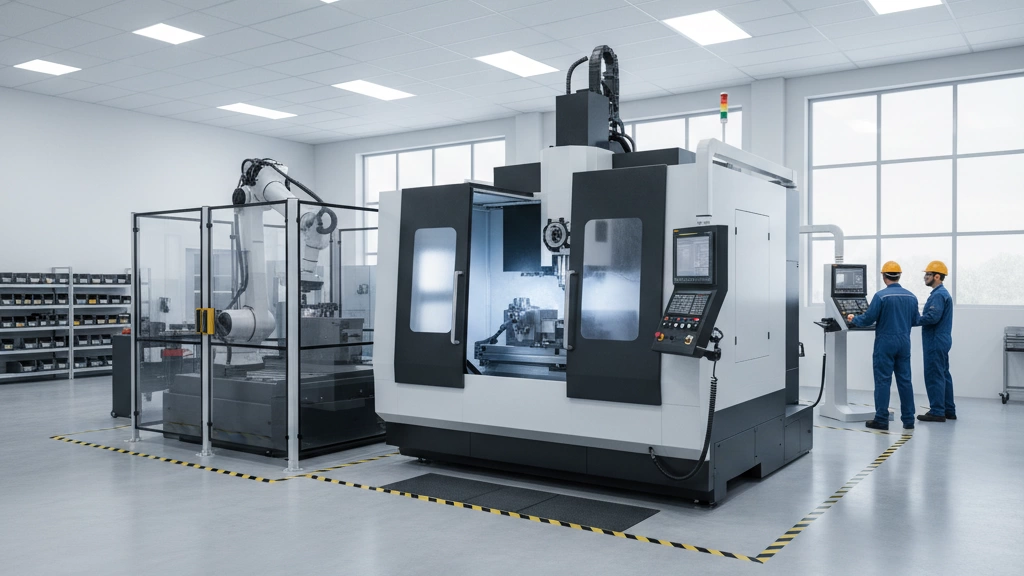
At MS Machining, we’ve seen these milestones reshape production lines. The shift from 3-axis limitations to agile multi-axis, hybrid manufacturing, and mill-turn integration has set the foundation for the cutting-edge CNC automation and robotics of today.
Core Technological Advancements in 2025–2026
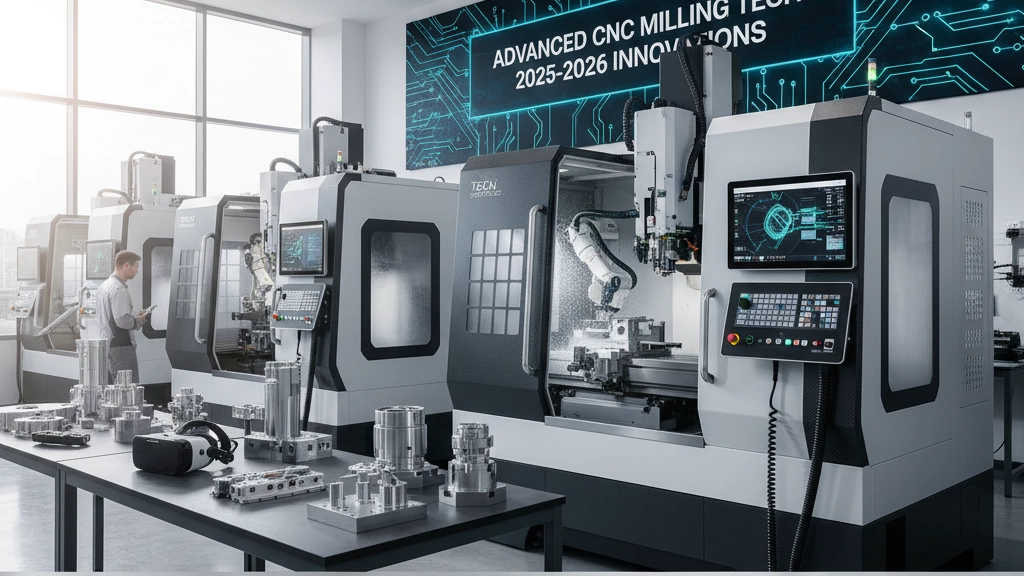
Recent years have seen major leaps in CNC milling technology, pushing the boundaries of precision and efficiency. True 5-axis and even 5+ axis simultaneous machining have become industry standards, enabling complex geometries to be cut in a single setup with unmatched accuracy. This reduces errors and slashes cycle times.
Mill-turn—or done-in-one—centers are now widespread, combining milling and turning in one machine to eliminate multiple setups and handoffs. This streamlined approach boosts throughput and consistency, especially for complex metallic parts.
Hybrid manufacturing is another game changer, with additive and subtractive processes integrated into a single platform. Machines now can build up material layer-by-layer before finishing with high-precision milling, cutting lead times and expanding design flexibility.
Spindle technology also advanced dramatically. Ultra-high-speed spindles running between 60,000 and 100,000 RPM are common, paired with advanced air or minimum quantity lubrication (MQL) cooling systems to handle tougher materials and finer details without overheating.
On the motion side, linear motor drives are outpacing traditional ballscrews by providing faster acceleration, higher speeds, and improved positional accuracy. This translates to smoother finishes and tighter tolerances.
Thermal compensation techniques have also evolved, automatically adjusting for temperature shifts during machining to maintain precision. Coupled with in-process metrology tools, machines now monitor and correct their operations in real-time, ensuring parts consistently meet specifications.
These advancements are evident in industries relying on ultra-precision milling, including aerospace and medical components, where every micron counts. For those interested in machining complex, durable materials like carbon steel, MS Machining’s precision CNC milling services showcase these technologies in action.
Intelligent & Autonomous Features
The latest CNC milling machines in 2025–2026 are smarter and more autonomous than ever. Here’s what’s driving this revolution:
-
AI-Powered Adaptive Control
Machines adjust cutting parameters on the fly, optimizing feed rates and spindle speeds in real time. This reduces tool wear and improves part quality without operator input.
-
Real-Time Path Optimization
Using AI, milling paths are refined continuously to eliminate inefficiencies, resulting in faster cycle times and smoother finishes.
-
Machine Learning for Predictive Maintenance
Sensors collect data on vibration, temperature, and tool conditions. AI models predict when a tool needs replacement or a machine needs servicing, cutting downtime drastically.
-
Digital Twin Integration & Virtual Commissioning
Virtual replicas of milling setups replicate real-world machining scenarios before actual production. This helps avoid errors and speeds up machine commissioning stages.
-
In-Machine Probing + Automatic Workpiece Alignment
By 2025, automatic probing systems are standard, enabling parts to be aligned precisely without manual intervention, ensuring tighter tolerances and repeatability.
| Feature | Benefit | Impact |
|---|---|---|
| AI Adaptive Control | Dynamic machining adjustments | Reduced tool wear, higher quality |
| Predictive Maintenance | Scheduled service before failures | Less downtime, cost savings |
| Digital Twin + Virtual Comm. | Test runs before real production | Quicker setup, fewer errors |
| In-Machine Probing | Automatic part alignment | Fast setups, precision enhanced |
These intelligent features not only boost productivity but also reshape workflows, paving the way for fully automated milling lines. They perfectly complement advancements like 5-axis machining and hybrid manufacturing, pushing modern CNC capabilities to new heights.
For manufacturers looking to upgrade, understanding these autonomous technologies is crucial for long-term success and competitive edge. Many clients find these systems critical in reducing scrap and setup time, much like the precision needed in tool and die making.
Materials and Precision Engineering Breakthroughs
Recent advancements in CNC milling have pushed the limits of what’s possible with tough materials like Inconel 718 and Ti-6Al-4V. These superalloys, long known for their strength and heat resistance, can now be machined with precision tolerances that were once out of reach. This opens new doors for aerospace, medical implants, and high-performance automotive parts.
Additionally, surface finishes below Ra 0.1 μm can now be achieved directly off the spindle, reducing or even eliminating the need for secondary polishing processes. This ultra-precision milling boosts overall efficiency and part quality.
Micro-milling has also made significant strides, allowing manufacturers to create nano-scale features with repeatable accuracy. This capability is critical for industries demanding intricate, high-detail components, such as microelectronics and specialized medical devices. For those needing to understand the materials better, MS Machining offers detailed insights on machined metal parts materials and precision CNC machining services.
Real Impact on Modern Manufacturing KPIs
Advanced CNC milling technologies are driving impressive improvements across key manufacturing metrics. Cycle times have been slashed by 30–70% in documented case studies thanks to done-in-one mill-turn centers and ultra-high-speed spindles that maximize throughput without sacrificing precision. These faster cycles naturally lead to major reductions in scrap and rework rates, cutting costs while improving overall quality.
Labor and setup times have also significantly dropped. Automation features like in-machine probing and AI-powered adaptive control eliminate manual alignment and constant adjustments, freeing operators for higher-value tasks. Meanwhile, energy-efficient components such as linear motor drives and air/MQL cooling systems contribute to sustainability goals with noticeable cuts in power consumption.
The financial benefits are just as clear. MS Machining clients consistently report solid returns on investment, with payback periods shortened by increased uptime and reduced waste. For example, those involved in producing complex medical implants or aerospace parts see tangible gains impacting both cost and reliability, tying technical advances directly to business success. Explore more about our medical manufacturing devices and equipment and how precision machining optimizes production.
Key KPI improvements include:
- Cycle time reductions: 30–70% faster throughput
- Scrap/rework: Significant decreases, boosting yield
- Labor/setup: Less manual intervention, quicker changeovers
- Energy: Enhanced efficiency via innovative cooling and drives
- ROI: Faster payback with real operational case results
Together, these factors make modern CNC milling an essential driver for competitive manufacturing in 2025 and beyond.
Industry-Specific Applications That Benefit Most in 2025
In 2025, advancements in CNC milling machines are transforming key industries by enabling more complex, precise, and efficient manufacturing. Here’s a quick look at where these technologies have the biggest impact:
-
Aerospace: The ability to machine complex monolithic parts with ultra-precision milling is a game changer. CNC tech now handles intricate geometries and superalloys like Inconel 718 with tight tolerances, cutting cycle times significantly for aircraft components.
-
Medical & Orthopedic Implants: Milling biocompatible materials such as titanium alloys (Ti-6Al-4V) with enhanced traceability ensures implants meet stringent quality standards. The improved surface finishes and micro-milling capabilities aid in patient-specific implant designs.
-
Mold & Die: CNC milling directly into hardened steel without frequent tool changes or setups boosts productivity. Mill-turn centers reduce reworks, making high-precision mold cavities and dies more cost-effective.
-
Electric Vehicle & Battery Housing Components: The rise in demand for electric vehicles means manufacturers require precision-machined battery housings and components from lightweight, durable alloys—perfect for done-in-one manufacturing with hybrid additive-subtractive systems.
-
Defense & Firearms: Precision machining of complex, tight-tolerance parts ensures reliability and performance in defense components and firearms, benefiting greatly from AI-powered path optimization and in-process metrology.
These industry benefits reflect the broader shift toward smarter, faster CNC milling solutions. For manufacturers working with specialized materials or complicated part designs, tailored CNC milling services such as those offered for complex components deliver real, measurable advantages.
Choosing the Right Advanced CNC Milling Solution in 2026
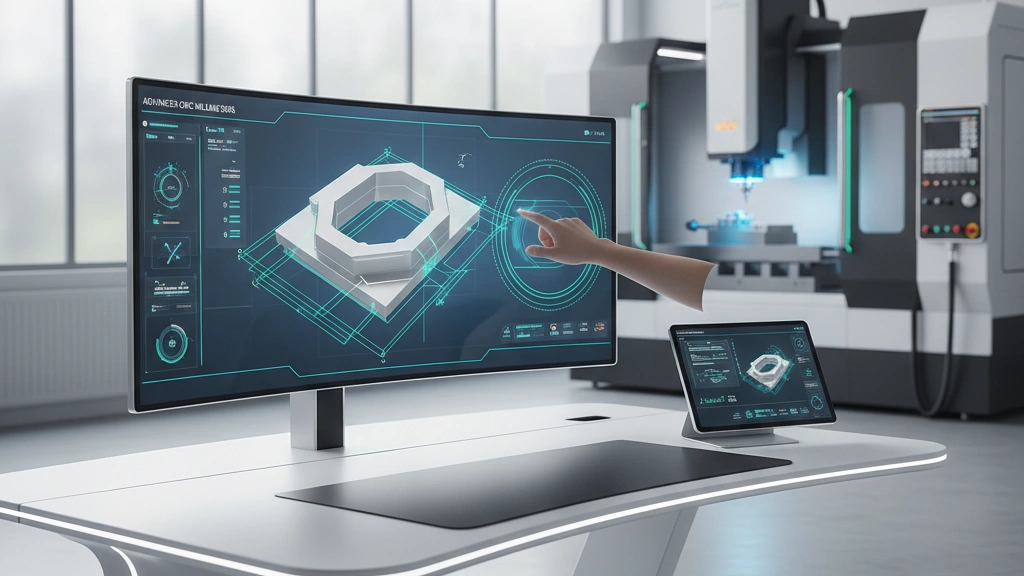
Finding the best CNC milling machine in 2026 means balancing performance, cost, and future-proof features. Here’s a quick checklist to guide your decision:
Key Specifications to Consider
- Rigidity: Look for a solid frame and spindle support to reduce vibrations—this directly impacts precision and surface finish.
- Control System: A responsive, user-friendly controller with AI adaptive control capabilities is essential for real-time path optimization and autonomous adjustments.
- Spindle Technology: Ultra-high-speed spindles (up to 100,000 RPM) with effective cooling (air or MQL) ensure top machining quality, especially for hard materials and micro-milling.
- Automation Readiness: Machines with in-machine probing, automatic workpiece alignment, and compatibility with robotic loading save significant setup time and boost throughput.
Common Pitfalls When Upgrading
- Ignoring Total Cost of Ownership: Don’t just focus on the initial machine price. Factor in maintenance, tooling, training, and system integration costs.
- Overlooking Software Compatibility: New machines should seamlessly integrate with your existing CAD/CAM systems and digital twin platforms.
- Underestimating Thermal Compensation Needs: Inadequate temperature control can erode precision during extended runs.
Questions to Ask Your Machine Supplier
- How does your machine handle thermal compensation and in-process metrology?
- Can it support hybrid additive-subtractive processes?
- What predictive maintenance features and AI-powered monitoring are included?
- What’s the real ROI based on similar industry applications?
Choosing wisely ensures your investment supports faster cycle times, improved quality, and lower operating costs. For a deeper dive into specialized milling capabilities and process comparisons, consider exploring MS Machining’s insights on special CNC machining processes and the differences between plastic injection molding vs CNC machining. These resources help clarify the right solution for your manufacturing needs.
Future Outlook: What’s Coming 2027–2030
Looking ahead to 2027 through 2030, CNC milling is set for some groundbreaking advances. Photonic machining will redefine precision by using light-based processes for ultra-fine cutting, pushing surface finish and tolerance limits beyond today’s capabilities. Quantum sensing technologies promise next-level accuracy, enabling machines to detect and correct microscopic deviations in real time.
Fully closed-loop autonomous cells will become the norm, where CNC machines operate with minimal human intervention—integrating AI, robotics, and smart sensors for nonstop, adaptive production. This leap will drastically improve efficiency, cut downtime, and ensure consistent quality.
At MS Machining, we’re already gearing up for these shifts. Our R&D focuses on digital twin platforms and AI-driven enhancements, preparing to blend photonic and quantum innovations into our milling services. By staying ahead, we ensure our clients can capitalize on these future technologies smoothly and profitably.