
Direct Answer and Why It’s Not That Simple
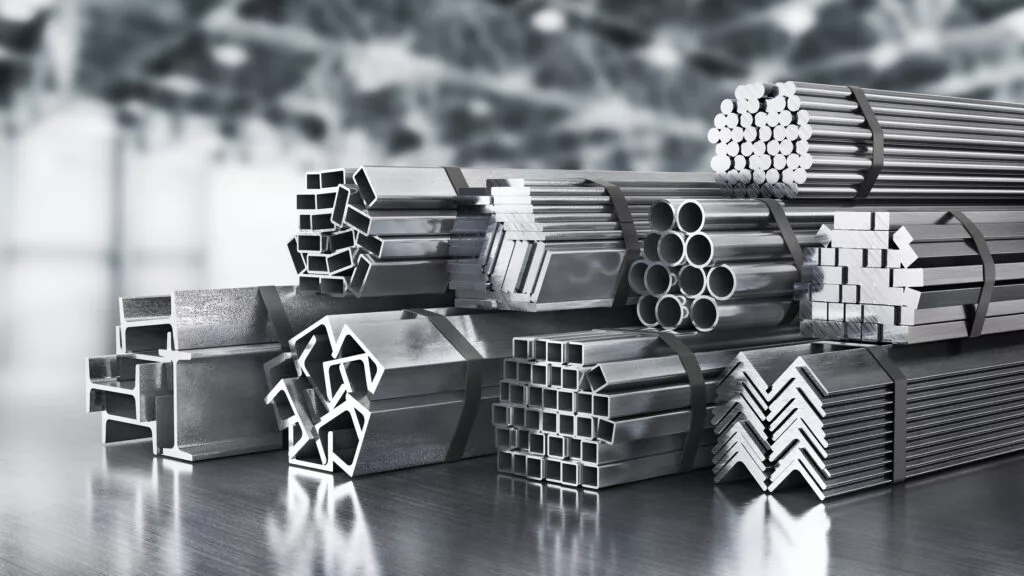
If you’re trying to figure out what is a light metal that is durable, the most common answers are aluminum, magnesium, and titanium. These materials are widely used in CNC machining because they offer a strong balance between weight and mechanical performance.
However, in real-world applications, durability is not defined by strength alone. A part that looks strong on paper may still fail in actual use. It may deform under load, wear out in contact areas, or develop cracks after repeated cycles. That’s why engineers rarely choose materials based only on strength or weight. They evaluate how the material behaves during machining, how it performs over time, and whether it makes sense from a cost perspective.
What “Durable” Really Means in CNC Machining
In practical terms, durability is a combination of several factors, and these factors often interact in ways that are not obvious at first.
Static Strength vs Fatigue
One of the most important distinctions is between static strength and fatigue resistance. Static strength refers to how much load a material can handle at once, while fatigue resistance describes how it behaves under repeated stress. Many CNC parts operate under cyclic loads, especially in industries like automotive, robotics, and aerospace. In these cases, fatigue becomes more important than peak strength.
Wear Resistance vs Strength
Strength does not equal wear resistance. Aluminum, for example, is strong for its weight, but it is relatively soft. Threads can strip, and surfaces can degrade when there is friction. This is why certain aluminum parts require surface treatments or inserts, even if the base material meets strength requirements.
Environmental Effects
Environmental conditions also play a role. Corrosion, temperature variation, and humidity can all affect long-term durability. A material that performs well in a controlled indoor environment may behave very differently outdoors or in chemically aggressive conditions.
Common Failure Modes in Lightweight Parts
In real CNC machining projects, failures typically include:
- Thin walls bending or losing tolerance
- Threads stripping in softer metals
- Cracks at sharp internal corners
- Vibration-related loosening or part shifting
Material Selection Is Always a Trade-Off
There is no single material that is both the lightest and the most durable in every situation. Each option comes with compromises, and understanding those trade-offs is key to making the right decision.
Aluminum – Best Overall Balance
Aluminum is often the starting point for CNC machining projects. Grades like 6061 and 7075 are widely used because they are easy to machine, relatively affordable, and offer good mechanical properties. For many applications, aluminum provides more than enough strength while keeping weight low. It also allows for faster machining cycles, which helps control cost.
6061 offers better corrosion resistance and is easier to machine, while 7075 provides higher strength but is slightly harder to process.
Magnesium – Maximum Weight Reduction
Magnesium is significantly lighter than aluminum, which makes it attractive in applications where every gram matters. It also has good vibration damping properties, which can improve performance in assemblies subjected to movement or shocks.
However, magnesium has limitations. It is not as strong as aluminum, and its chips are flammable during machining. Safety precautions are critical, and supply may be less consistent than aluminum. Therefore, magnesium is often reserved for aerospace, automotive, or electronics applications where extreme weight reduction is essential.
Titanium – High Performance at Higher Cost
Titanium, particularly alloys like Ti-6Al-4V, offers excellent strength, corrosion resistance, and fatigue performance, making it ideal for demanding environments such as aerospace and medical equipment. At the same time, it is significantly more difficult to machine. Cutting speeds are slower, tool wear is higher, and overall production time increases. In many cases, titanium provides more performance than necessary, leading to higher cost without proportional benefit.
When Heavier Materials Are Better
Sometimes, lighter metals are not ideal. If a part requires high stiffness, high wear resistance, or tight dimensional stability, materials like stainless steel or alloy steel may outperform lightweight metals, even with added weight. Engineers must balance performance, cost, and manufacturability in such cases.
Comparison of Common Lightweight CNC Materials
| Material | Density (g/cm³) | Strength Level | Machinability | Cost Level | Typical Use Case |
|---|---|---|---|---|---|
| Aluminum | ~2.7 | Medium–High | Excellent | Low–Medium | General CNC parts |
| Magnesium | ~1.8 | Medium | Good | Medium | Ultra-light structures |
| Titanium | ~4.5 | Very High | Difficult | High | Aerospace, medical |
| Stainless Steel | ~8.0 | High | Moderate | Medium–High | Wear-resistant parts |
Machining Reality: What Happens on the Shop Floor
Material properties are only part of the story. How a material behaves during CNC machining can significantly affect the final result.
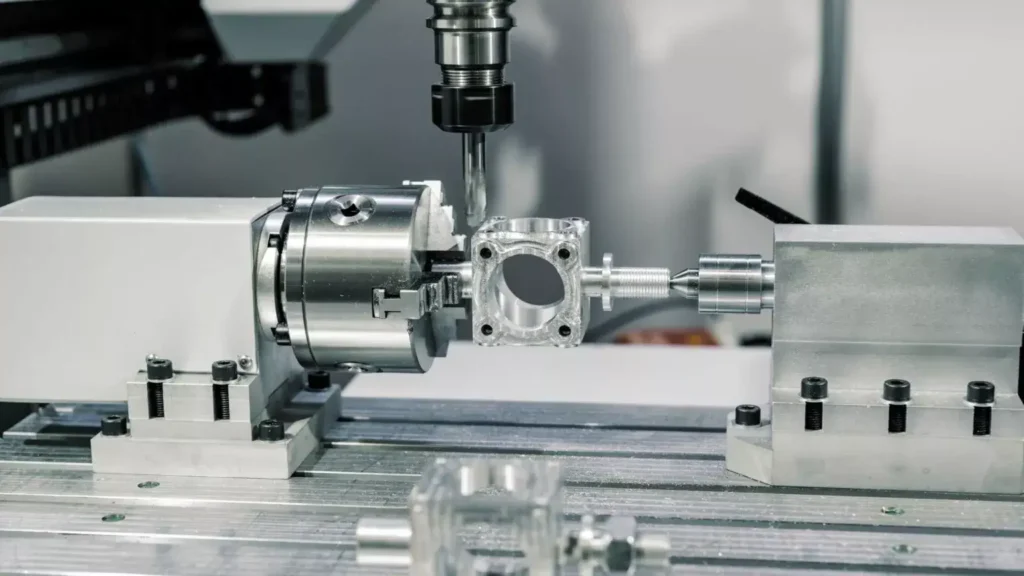
One of the most common challenges with lightweight materials is deformation. Thin walls and reduced material sections are often used to lower weight, but they also make the part more sensitive to cutting forces and clamping pressure. Even if the design looks correct in CAD, the part may shift or bend during machining, leading to tolerance issues.
Heat is another critical factor. Aluminum expands quickly under heat, which can affect dimensional accuracy. Titanium, on the other hand, retains heat at the cutting zone, increasing tool wear and making precision control more difficult.
Toolpath strategy also plays a significant role. Aggressive cutting reduces machining time but increases the risk of deformation and poor surface finish. More controlled strategies, such as adaptive clearing or reduced step-over, can improve stability and consistency.
Surface finish differs by material. Aluminum tends to produce burrs, especially along edges, while titanium may show visible tool marks. These factors influence both aesthetics and functional performance.
Design Considerations for Lightweight CNC Parts
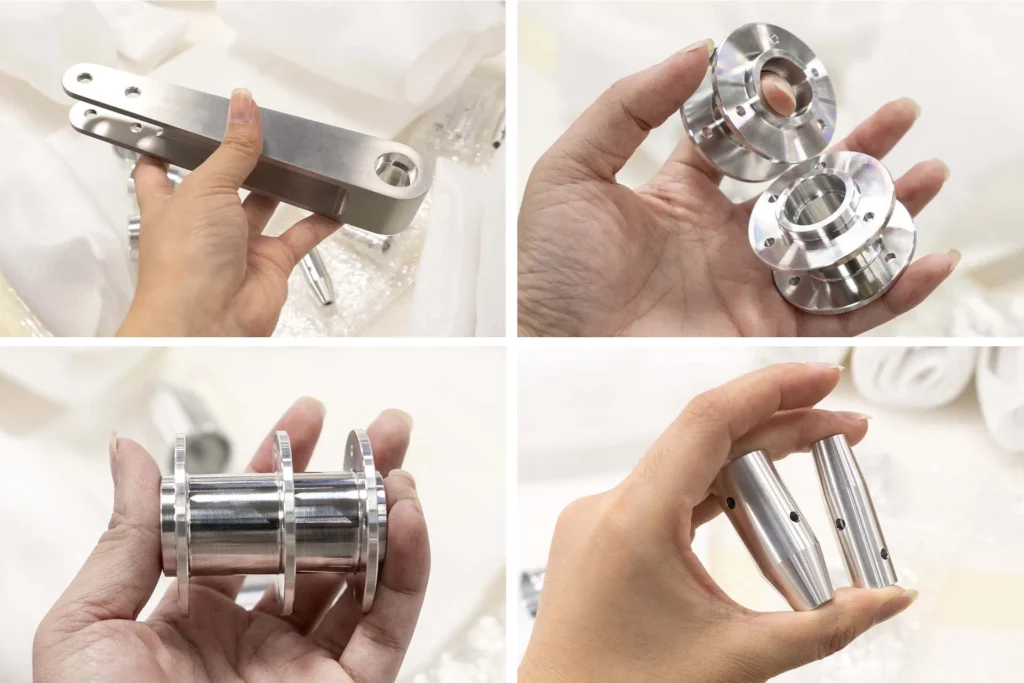
Material selection alone is not enough. The way a part is designed affects strength, weight, and manufacturability.
Over-aggressive material removal can weaken parts and increase deformation risk. A better approach is to design around load paths, reinforcing high-stress areas while reducing material in low-stress regions.
Thread design is a common weak point. Aluminum threads can strip under repeated use, so inserts are often recommended for durability.
Geometry matters as well. Sharp internal corners create stress concentrations, which can cause cracks. Using fillets and maintaining consistent wall thickness helps distribute stress more evenly and improves machinability.
Cost Considerations Beyond Material Price
Raw material cost is just one part of total cost. Machining time, tool wear, and scrap rates can significantly impact overall expense.
Titanium, for example, costs more to machine due to slower cutting speeds, higher tool wear, and longer setup time. Lightweight parts with thin features are more likely to deform and may require scrap, further increasing cost.
Aluminum often provides the best balance between performance and cost, making it practical for both prototyping and production runs.
Application-Driven Material Choices
Different industries prioritize different factors, influencing material selection. Aerospace emphasizes weight reduction and fatigue resistance. Automotive balances cost and volume production. Robotics requires stiffness and dynamic precision. Medical applications focus on corrosion resistance and biocompatibility.
When Lightweight Materials Are Not the Best Choice
Lightweight metals are not always suitable. High-wear applications, extreme load conditions, and high-temperature environments may require heavier or more robust materials. In large-scale production, cost constraints may also favor traditional metals.
How to Choose the Right Material
A practical approach starts with understanding the part’s requirements. Consider load type, magnitude, environment, machinability, and cost. Prototyping can validate the material before full-scale production.
FAQ
What is the most durable lightweight metal?
Titanium offers the highest durability, especially in demanding environments, but aluminum is often the most practical choice.
Is aluminum strong enough for CNC parts?
Yes, aluminum is suitable for a wide range of applications when properly designed.
Why is titanium difficult to machine?
It retains heat and accelerates tool wear, slowing down machining.
Is magnesium safe for CNC machining?
Yes, it can be machined safely with proper precautions, particularly in managing chips and heat.
How can deformation be reduced in lightweight parts?
Through optimized design, proper machining strategies, and controlled cutting parameters.
Final Insight
Choosing a light metal that is durable is not about finding a single “best” material. It requires balancing weight, strength, machinability, and cost while understanding real-world performance. In CNC machining, the best results come from combining the right material with intelligent design and precise machining practices.