
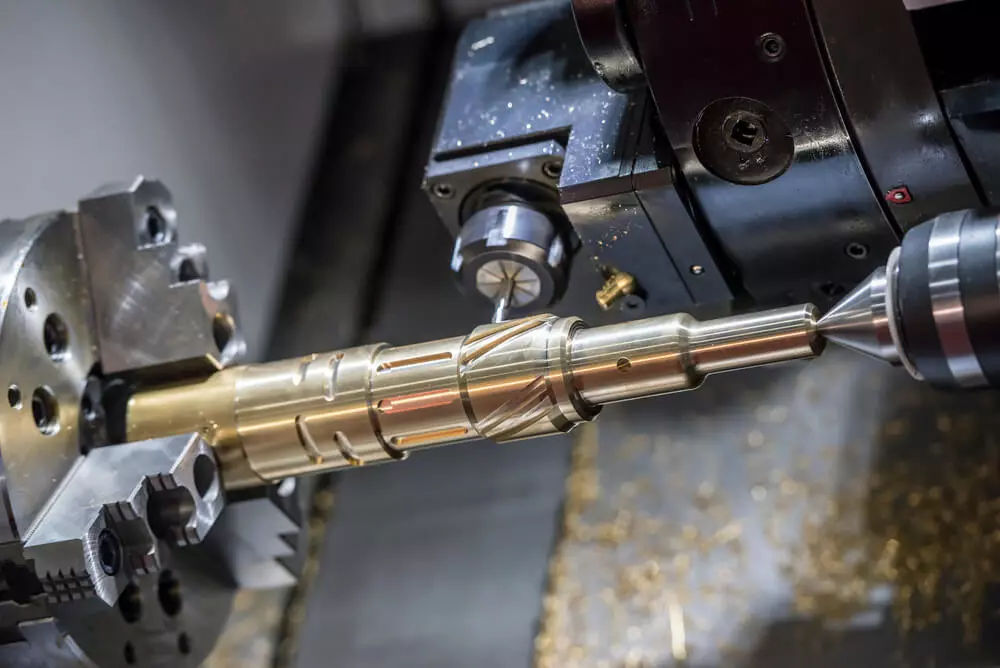
Core Structural Components of CNC Lathe Parts
The foundation of any CNC lathe is its bed, which plays a crucial role in providing stability and minimizing vibration during operation. A precision lathe bed is typically made from high-quality cast iron or steel alloys to absorb shocks and maintain rigidity, ensuring consistent machining accuracy.
Along the bed are the guideways, essential for smooth, precise linear movement and proper alignment of the carriage and tailstock. These guideways come in different profiles—like V-shaped or flat—and are finely machined to reduce wear and maintain tight tolerances over long-term use.
The headstock houses the main spindle and drive system. This component is responsible for delivering rotational power to the workpiece. Featuring robust bearings and integrated motors, the lathe headstock assembly ensures reliable speed variation and torque control, making it a central CNC lathe component for turning operations.
Together, the bed, guideways, and headstock form the core structural backbone of CNC turning machine parts, guaranteeing accuracy, stability, and efficiency in machining tasks.
Workholding and Support Systems
Workholding is key to precision in any CNC lathe operation. The right chuck type—whether a 3-jaw, 4-jaw, or collet chuck—ensures your workpiece is gripped securely and accurately. A 3-jaw chuck offers quick, self-centering clamping for round parts, while a 4-jaw chuck provides versatility for irregular shapes. Collet chucks excel at holding smaller, precise components with minimal runout.
The tailstock plays a vital role by supporting the end of the workpiece opposite the headstock. It provides stability during machining, especially for longer parts, and its quill function allows for drilling and tapping operations directly on the lathe. Proper tailstock alignment is essential to avoid deflection that can ruin part accuracy.
For even longer or more delicate workpieces, centers and steady rests are used to provide intermediate support, reducing vibration and bending. These support systems help maintain consistent precision and extend the life of your lathe’s components.
Choosing the right combination of workholding and support is critical for maintaining precision and efficiency in CNC turning. For those looking to upgrade or replace parts, exploring quality CNC machining components can deliver improved reliability. You can also check out advanced solutions tailored to complex parts and designs through specialized CNC turning and milling services.
Tooling and Motion Control in Lathe CNC Parts
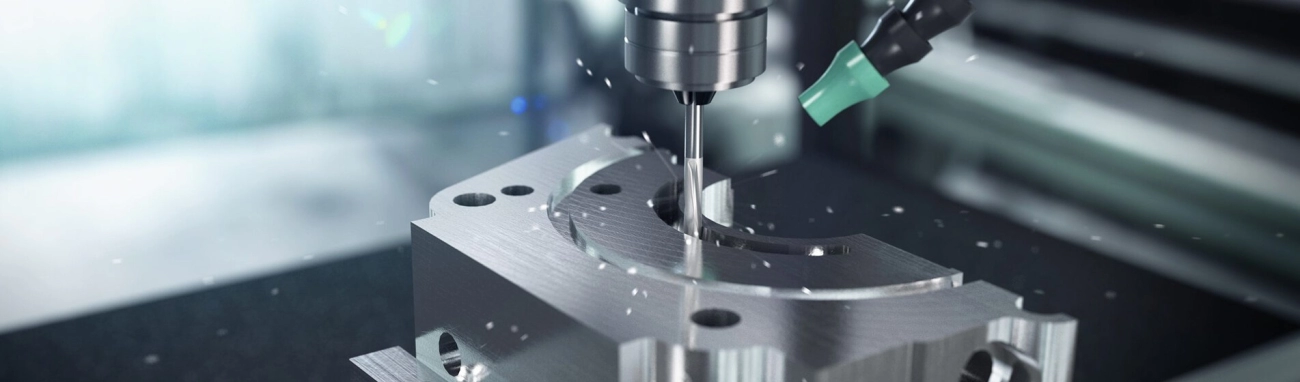
The tool turret is a vital CNC lathe part designed for holding multiple tools at once. This setup allows quick tool changes during operations, boosting efficiency and reducing downtime. Having a versatile tool turret means you can switch seamlessly between drilling, turning, and boring without manual intervention.
The carriage and cross slide are key components responsible for the lathe’s axial and radial movements. These precise motions enable accurate cutting along the length and diameter of the workpiece. A smooth and well-maintained carriage system is essential for tight tolerances in CNC turning machine parts.
Finally, the leadscrew and feed mechanisms control the threading and feed rate with precision. Whether you’re cutting threads or performing fine finishing cuts, these parts ensure consistent movement and quality results. Proper care and calibration of these systems are crucial for maintaining machining accuracy.
For more on the precision and versatility of CNC machining components like tool turrets and carriage systems, explore detailed insights on fast CNC machining.
Power and Control Elements
The main spindle is the heart of any CNC lathe, responsible for rotating the workpiece with precision. It includes high-quality drive motors and durable lathe spindle bearings that allow for smooth operation and variable speeds to match different machining needs. Reliable spindle performance directly affects cutting accuracy and surface finish.
The CNC control panel acts as the operator’s command center. It provides an intuitive interface for programming, controlling feed rates, spindle speed, and tool paths. Modern panels often include automation features that streamline production and reduce manual intervention, boosting efficiency.
Supporting the core systems are auxiliary systems like coolant delivery, lubrication, and chip management. Coolant helps prevent overheating during cutting, lubrication reduces wear on critical parts like guideways and bearings, and effective chip removal prevents machine jams and damage.
Together, these power and control elements ensure your CNC lathe performs consistently and at peak accuracy. To optimize part longevity and performance, consider high-quality components designed specifically for CNC turning machines.
For deeper insights on parts related to your CNC machining needs, check out our guide to gear plate functions, types, and applications.
Common Materials and Manufacturing Considerations
CNC lathe parts are usually made from durable materials like cast iron and various steel alloys. Cast iron is favored for components like the lathe bed because it offers excellent vibration damping and stability. Steel alloys, often heat-treated, provide strength and wear resistance for parts such as the spindle, guideways, and leadscrews.
Several factors affect the durability and precision of CNC turning machine parts:
- Material quality: Using high-grade metals reduces wear and deformation over time.
- Heat treatment: Proper hardening enhances hardness and toughness, improving part lifespan.
- Tolerances: Tight machining tolerances ensure parts fit and function smoothly, maintaining accuracy.
Knowing when to replace or upgrade parts like bearings, guideways, or control components is critical to keeping your lathe running at peak performance. Worn parts can cause vibration, misalignment, and poor finishes. Upgrading with custom turned parts made from advanced alloys or with better coatings can also extend machine life and boost precision.
For high-quality, durable CNC machining components, consider options like stainless steel investment castings, which provide excellent material properties for critical lathe parts and enhance performance under heavy use.
By choosing the right materials and monitoring part condition, you ensure your CNC lathe stays precise and dependable for years of production.
Maintenance and Troubleshooting Tips for CNC Lathe Parts
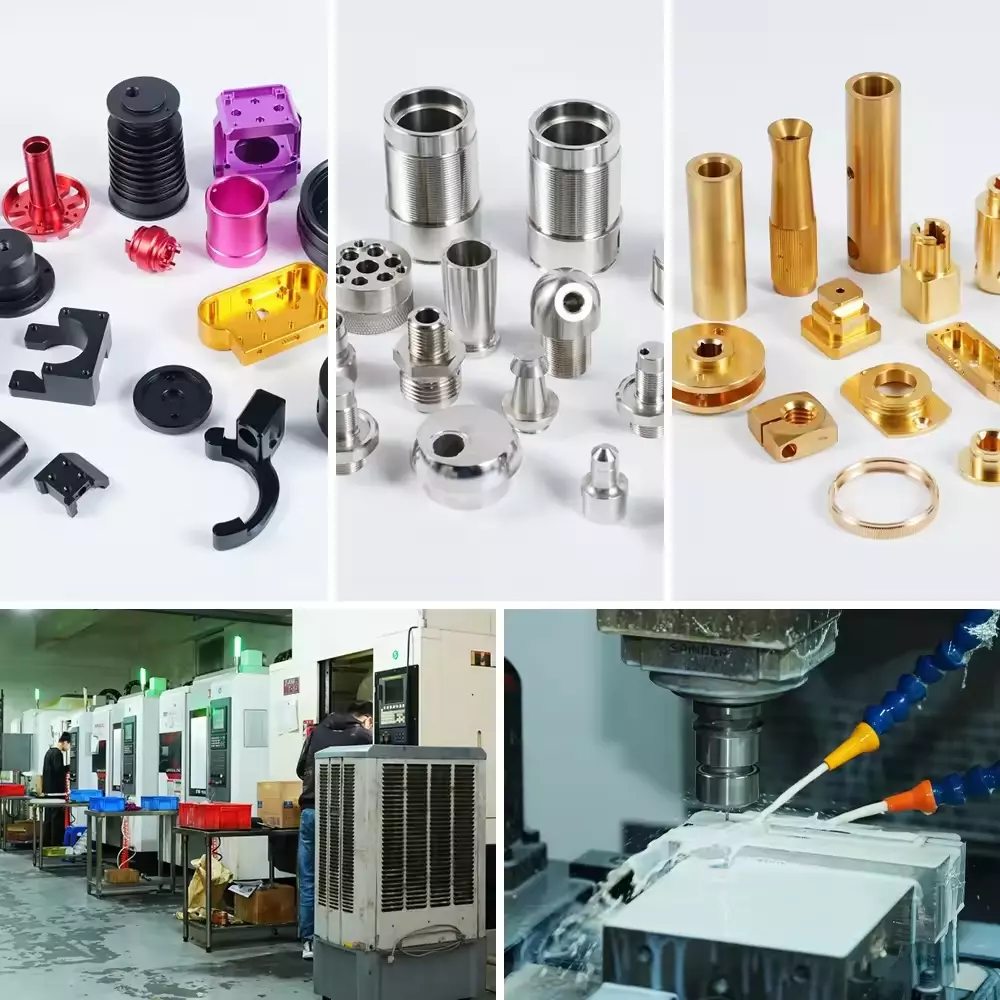
Keeping your CNC lathe parts in top shape means regular checks and quick fixes when issues pop up. Here are some simple maintenance tips to maximize your machine’s lifespan and avoid costly downtime:
- Routine Alignment Checks: Inspect the lathe bed, guideways, and carriage system regularly to ensure everything lines up perfectly. Misalignment can cause poor surface finishes and increased wear.
- Monitor Wear and Tear: Pay special attention to spindle bearings, chuck components, and tool turrets. Excessive play or noise can signal worn parts that need replacement.
- Lubrication: Proper lubrication of the leadscrew, tailstock, and moving parts reduces friction and prevents overheating. Use manufacturer-recommended lubricants consistently.
- Watch for Common Issues:
- Vibration: Often caused by imbalanced chucks or loose components; this can affect precision.
- Inaccurate Cuts: Usually due to worn guideways or leadscrews needing recalibration.
- Spindle Problems: Overheating or unusual noises might indicate bearing or motor issues.
- Best Practices:
- Keep your CNC control panel and electronics clean and free from dust.
- Schedule professional servicing when you notice persistent problems.
- Use high-quality replacement lathe parts and custom machined components to maintain precision.
Following these maintenance habits not only ensures smooth operation but also extends the service life of your CNC turning machine parts, saving you time and money in the long run. For detailed component care, check out specialized resources like our brass CNC turned parts page for insights on part materials and durability.
Custom CNC Lathe Parts and Solutions
Custom CNC lathe parts offer precise, high-quality replacements and upgrades that fit your machine perfectly. When standard parts wear out or don’t meet your specs, custom fabrication ensures your lathe keeps running at peak performance.
Benefits of Custom Fabrication
- Exact fit for existing machines
- Improved durability and precision
- Enhanced machine capabilities and lifespan
- Reduced downtime with ready-to-install parts
At MS Machining, we specialize in delivering custom CNC lathe components with tight tolerances made for your specific needs. Whether you need precision lathe headstock assembly, tool turret lathe parts, or custom machined parts, we tailor each piece to improve your machine’s reliability and output.
Case in Point: Real Results
| Challenge | Custom Solution | Outcome |
|---|---|---|
| Worn guideways | High-precision replacements | Reduced vibration, smoother motion |
| Outdated tailstock | Custom fabricated tailstock | Increased drilling accuracy |
| Spindle bearing failure | OEM-quality custom spindle bearings | Extended spindle life and lower maintenance costs |
These examples show how replacing worn or subpar parts with custom counterparts boosts accuracy and operational efficiency. For more info on machining high-performance materials, check out our expertise in CNC machining Hastelloy steel parts.
Custom CNC lathe parts aren’t just about maintenance—they’re a smart investment in your lathe’s future and overall productivity. Reach out to MS Machining for tailored solutions that fit your exact needs and keep your machine running smooth. Visit our contact page to get started.
FAQs About Lathe CNC Parts
What are the most critical replaceable parts in a CNC lathe?
Key replaceable parts include the chuck (3-jaw, 4-jaw, or collet types), spindle bearings, guideways, and tool turret components. These directly impact precision and machine performance.
How do I choose the right chuck for my application?
Choosing a chuck depends on your workpiece size, shape, and machining requirements. For fast and simple gripping, a 3-jaw chuck works well. For irregular shapes or high precision, a 4-jaw or collet chuck offers better control.
Can custom parts improve older CNC lathe performance?
Absolutely. Custom turned parts tailored to your machine’s specifications can restore accuracy, reduce wear, and extend the life of aging equipment. This is especially true for components like custom guideways or upgraded CNC carriage systems.
What maintenance extends spindle life?
Regular lubrication, monitoring spindle bearings for wear, and ensuring proper alignment keep the spindle running smoothly. Avoiding overheating and contamination also helps maintain spindle health.
Where to source high-precision CNC lathe components?
Reliable suppliers like MS Machining specialize in high-tolerance CNC machining components and custom parts that fit exact needs. Their expertise in micro CNC machining or automotive CNC machining ensures quality replacements that boost performance. You can check their specialized services for micro CNC machining and automotive CNC machining for precision parts made to order.
By understanding these common questions, you can keep your CNC lathe running efficiently and make informed decisions on parts and service.