
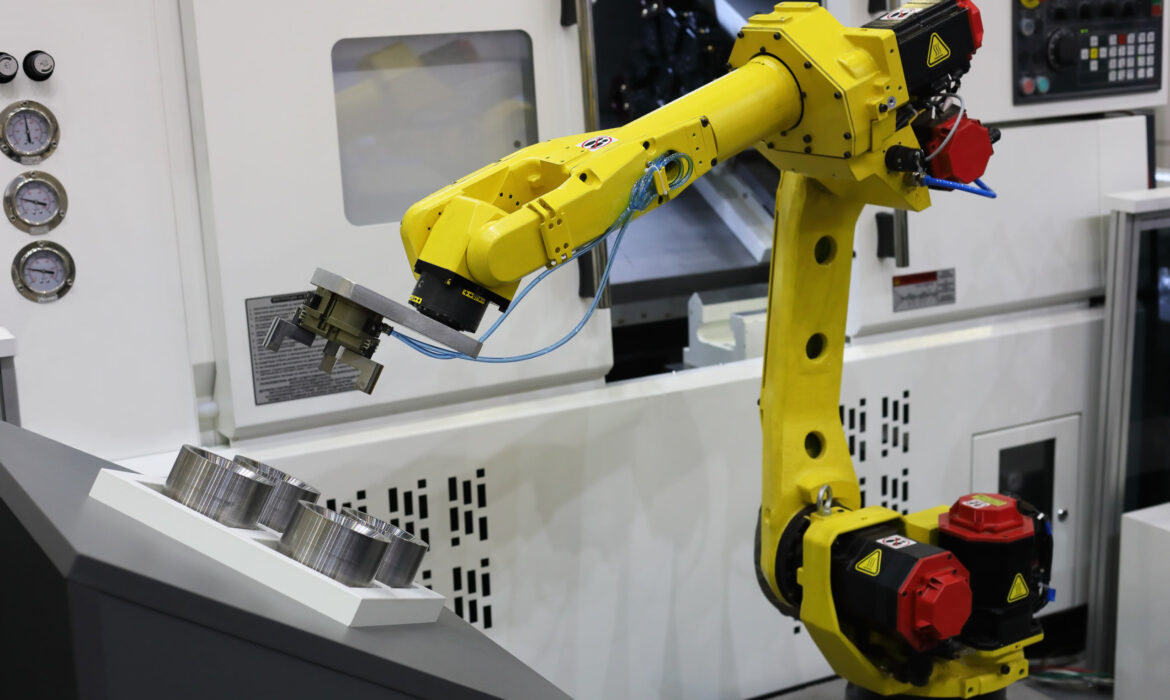
CNC machining trends in 2026 are largely driven by automation, artificial intelligence (AI), and multi-axis manufacturing technologies. These innovations are helping manufacturers produce complex parts faster while keeping high precision, reducing setup time, and improving overall efficiency. Whether you’re in aerospace, medical devices, automotive, or robotics, these trends are reshaping how precision components are made.
Modern CNC machining has evolved far beyond traditional mills and lathes. Factories are moving toward smart, connected systems where machines, software, and data work together. Precision CNC machining is now part of a larger ecosystem that includes automated production cells, AI-assisted monitoring, and digital twin simulations.
Understanding these trends is crucial for engineers, product designers, and procurement teams who want to choose the right manufacturing partners and stay ahead of industry changes.
How CNC Machining Is Changing in Modern Manufacturing
CNC machining has always been reliable for producing custom CNC machined parts, but the way we approach it is changing fast. In the past, machining relied heavily on human experience, with machinists setting cutting parameters based on past knowledge. Today, advanced software, real-time monitoring, and automated systems are guiding decisions on the shop floor.
Some of the key shifts in modern manufacturing include:
- Data-driven machining processes
- Automated production cells
- Multi-axis machining technology
- Digital simulations and CAM software
- AI-assisted machining optimization
These developments are helping manufacturers reduce errors, cut down on material waste, and improve consistency across production runs.
Automation Is Reshaping CNC Machining Shops
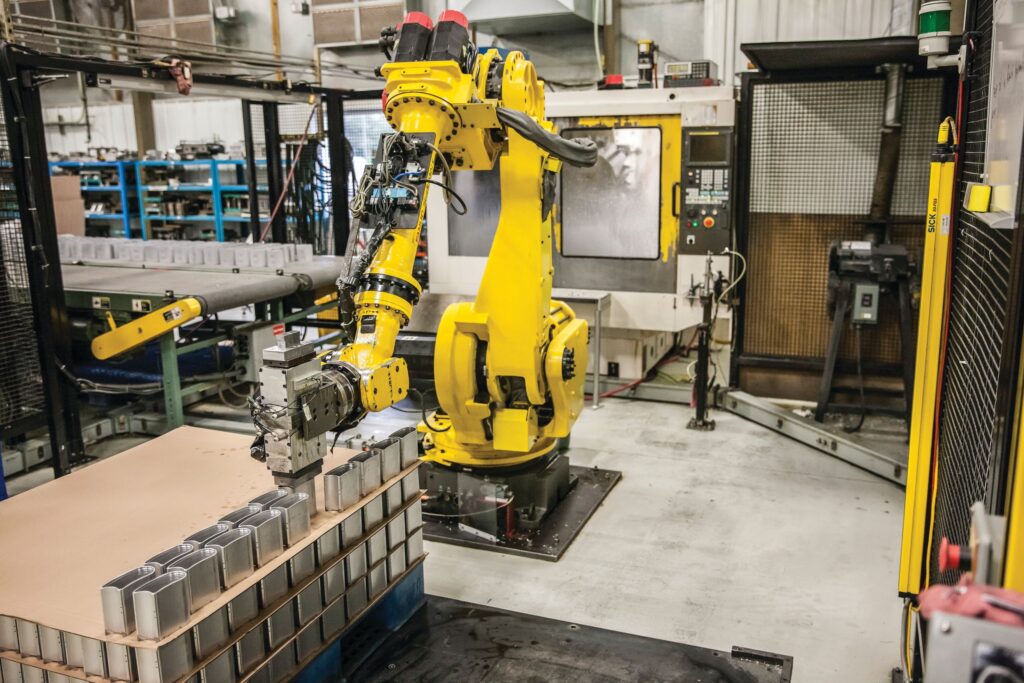
Automation has become one of the most significant trends in CNC machining. Many shops are now implementing automated machining systems that allow machines to run with minimal human intervention. These systems often include:
- Robotic CNC loading systems
- Automated pallet changers
- Tool monitoring systems
- Smart scheduling software
With automation, factories can achieve lights-out manufacturing, where machines continue running overnight or on weekends without operators. This approach maximizes machine utilization and allows shops to take on larger production runs without increasing labor costs.
Automation also improves consistency. Robots and automated systems handle repetitive tasks without fatigue, ensuring that each part meets the same high standards. While automation doesn’t replace skilled machinists, it frees them up to focus on programming, optimization, and quality control.
AI in CNC Machining: Data-Driven Manufacturing
Artificial intelligence is another game-changer. Modern CNC machines can collect and analyze massive amounts of data in real time, including spindle load, vibration, cutting forces, and tool wear. AI software uses this data to:
- Optimize cutting parameters on the fly
- Predict maintenance needs before issues arise
- Monitor machining conditions for consistency
- Enhance toolpath efficiency
This AI-assisted approach allows manufacturers to reduce scrap, improve cycle times, and maintain higher accuracy. Predictive maintenance is especially valuable, preventing costly downtime by alerting teams to potential problems before they occur.
In addition, AI helps engineers analyze historical production data to continuously refine processes, creating a feedback loop that makes CNC machining smarter and more efficient over time.
Multi-Axis CNC Machining for Complex Parts
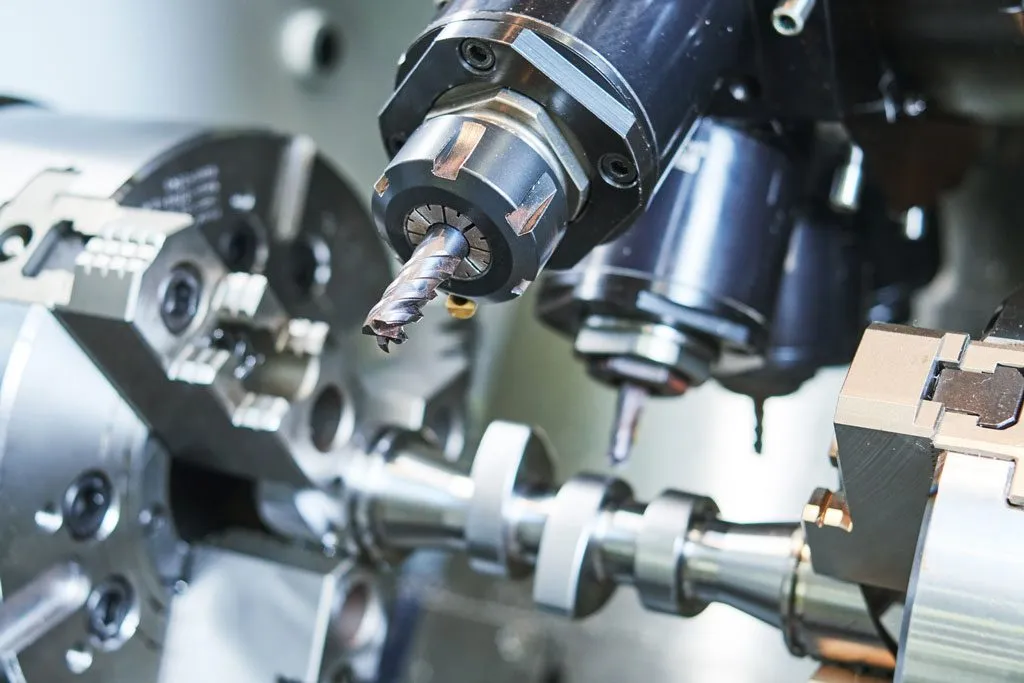
Multi-axis machining is no longer reserved for specialty shops. 5-axis CNC machining and other multi-axis systems are becoming standard in modern manufacturing, especially for complex components. These machines allow cutting tools to approach a workpiece from multiple angles, reducing the number of setups required and improving accuracy.
Benefits of multi-axis machining include:
- Faster production cycles
- Improved dimensional accuracy
- Ability to manufacture complex geometries in a single setup
- Reduced labor costs and manual intervention
Industries like aerospace and medical devices frequently use complex multi-axis CNC machining to create components with curved surfaces, angled holes, and intricate cavities. Mill-turn machines, simultaneous 5-axis mills, and other advanced systems enable manufacturers to tackle designs that were previously impossible or extremely costly.
Digital Twins and Simulation in Modern Manufacturing
Digital twin technology is becoming more common in CNC machining. A digital twin is a virtual replica of a machine or process that engineers can simulate before machining begins. Using this approach, teams can:
- Visualize toolpaths and cutting strategies
- Check fixture setups and workpiece orientation
- Predict potential collisions
- Estimate cycle times accurately
By simulating operations in software first, manufacturers reduce errors, save material, and ensure that the actual production run goes smoothly. Digital twin systems also integrate with CAM software and shop-floor monitoring tools, making them a key part of smart factory operations.
Hybrid Manufacturing and Advanced Machining
Hybrid manufacturing, which combines additive manufacturing (3D printing) with CNC machining, is gaining traction. With this approach:
- A near-net-shape part is built using additive processes.
- CNC machining finishes critical surfaces and dimensions to achieve precision.
Hybrid systems allow for complex internal structures that traditional machining cannot achieve and help reduce material waste. They are especially useful for:
- Aerospace components
- Repair and remanufacturing projects
- Parts with internal cooling channels or intricate geometries
This combination of additive and subtractive processes represents the cutting edge of advanced CNC manufacturing solutions.
What These Trends Mean for Precision Manufacturing
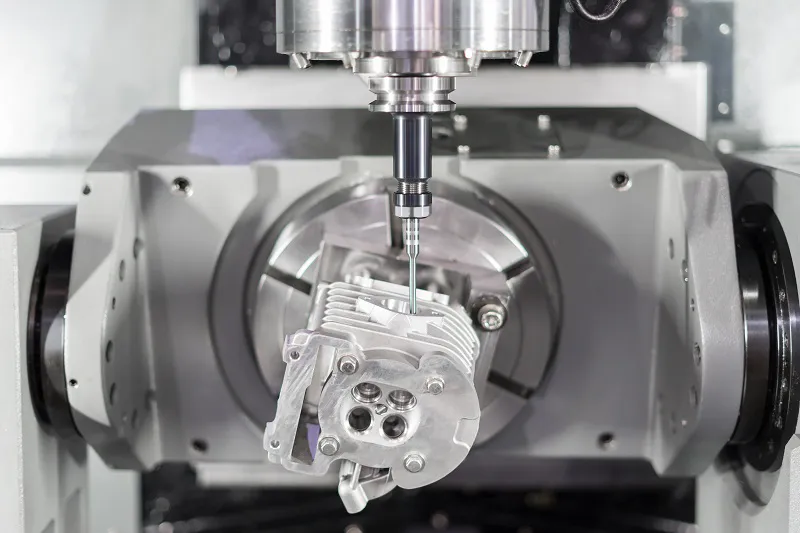
Automation, AI, and multi-axis machining are reshaping the landscape for precision manufacturers. The key benefits include:
- Faster production cycles
- Improved machining consistency
- Reduced setup and labor costs
- Enhanced capability for complex part designs
- Better utilization of production data
For companies developing new products, these trends make it easier to produce high-precision components that meet tight tolerances without extensive trial and error.
Frequently Asked Questions About CNC Machining Trends
What are the biggest CNC machining trends in 2026?
Automation, AI-assisted machining, and multi-axis manufacturing are among the most significant trends shaping modern CNC machining. These technologies improve efficiency, reduce setup time, and allow for the production of complex parts with high precision.
How is AI used in CNC machining?
AI analyzes real-time machining data, including spindle load, vibration, and tool wear. It helps optimize cutting parameters, predicts maintenance needs, and ensures consistent production quality.
Why is multi-axis machining becoming more popular?
Multi-axis machining allows tools to approach the workpiece from multiple angles without repositioning, reducing setup time and improving accuracy. This is especially useful for complex components in aerospace, medical devices, and high-precision engineering.
What is lights-out manufacturing?
Lights-out manufacturing refers to automated production where CNC machines continue running without operators on site. This is achieved with robotic loading systems, automated pallets, and smart monitoring software.
Final Thoughts
CNC machining is entering a new era. Automation systems, AI-assisted tools, multi-axis machines, and hybrid manufacturing are helping companies produce parts faster, more efficiently, and with higher precision. Manufacturers who adopt these trends will be well-positioned to meet the growing demand for precision components across industries.
To stay competitive, engineers, designers, and manufacturing managers need to understand these trends and work closely with machining partners that embrace modern technologies. The combination of automation, AI, and multi-axis capabilities is not just a future concept — it’s here and transforming production in 2026 and beyond.