
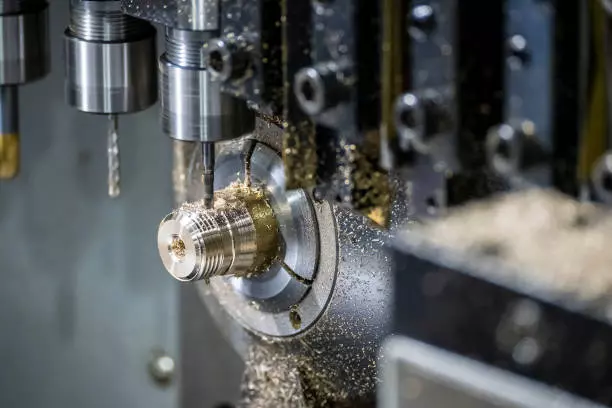
If you’re navigating the world of CNC machining manufacturing, you already know precision and efficiency are non-negotiable. But what exactly makes CNC machining the backbone of modern production? Whether you’re an engineer, a small business owner, or just curious about how parts go from digital designs to perfectly crafted components, this guide will break down how Computer Numerical Control revolutionizes manufacturing. From smarter automation to unmatched repeatability, understanding CNC is key to elevating your production game — and that’s exactly where MS Machining excels. Let’s get into why CNC machining is reshaping how things get made.
What Does CNC Stand For in Manufacturing?
CNC stands for Computer Numerical Control, a technology that revolutionized manufacturing by automating machine tools through precise computer programming. It refers to using computers to control machining equipment like CNC milling machines, CNC lathes, and CNC machining centers to manufacture parts with high accuracy and repeatability.
What Is Computer Numerical Control?
At its core, CNC machining uses coded instructions—known as G-code programming—to direct machine tools for cutting, drilling, and shaping materials. This means complex components can be created with minimal human intervention, ensuring consistent quality and efficiency throughout production.
A Brief History of CNC
CNC technology evolved from earlier numerical control machines developed in the 1940s and 1950s, which used punched tape to control milling operations. As computers became more accessible and powerful, these systems advanced into modern CNC machines that rely on sophisticated software like CAD CAM software to design and program parts digitally. Today’s CNC machining offers multi-axis capabilities that far exceed traditional methods.
CNC vs. Manual Machining
Unlike manual machining, which requires skilled operators to physically handle tools, CNC machining automates the process with computer control:
- Precision machining: CNC delivers tighter tolerances in machining than manual setups.
- Consistency: Every part produced is nearly identical, reducing errors.
- Speed and efficiency: Automated subtractive manufacturing accelerates production.
- Complexity: CNC can handle intricate shapes and multi-axis movements that are difficult or impossible by hand.
In , CNC machining transforms manufacturing by combining computing power with traditional machining tools, enabling cutting-edge accuracy, speed, and versatility for modern production needs.
How CNC Machining Works: The Step-by-Step Process
CNC machining manufacturing follows a clear process that turns your design into a precise finished part. Here’s how it breaks down:
- Design phase: It all starts with creating a detailed model using CAD (Computer-Aided Design) software. This digital blueprint represents the exact shape and dimensions of the part you need.
- Programming: Next, the CAD design is imported into CAM (Computer-Aided Manufacturing) software, where it is translated into G-code. This programming language tells the CNC machine exactly how to move and operate during the process.
- Machine setup: Before running the job, operators select the right tools, securely fixture the workpiece, and set the machining parameters like speed and feed rates for optimal cutting.
- Execution: The CNC machine then performs automated material removal based on the G-code instructions, making precise cuts through controlled movements. This step embodies what we call subtractive manufacturing.
- Quality control: Throughout the operation, in-process monitoring ensures everything stays within the required tolerances. After machining, the parts undergo final inspection to verify accuracy and surface finish.
This process ensures high precision and repeatable results, making CNC machining manufacturing ideal for custom CNC parts and metal CNC fabrication projects. If you’re interested in more on programming techniques and machine details, check out our guide to CNC lathe machine options and capabilities.
Types of CNC Machines and Tools Commonly Used
CNC machining manufacturing relies on a variety of machines tailored for different tasks and precision levels. The most common are CNC milling machines, which come in 3-axis, 4-axis, and 5-axis configurations. While 3-axis mills handle basic cutting operations, 4-axis and 5-axis machines allow more complex movements and angles—ideal for intricate parts requiring detailed contouring and multi-side machining.
Next are CNC lathes and turning centers, designed for rotating workpieces to perform precise cuts, threading, and facing operations. These machines excel at producing cylindrical parts with high consistency and machining accuracy.
For projects that demand multiple steps without moving the piece between machines, CNC machining centers combine milling, drilling, and turning functionalities. These centers improve efficiency and precision by automating multi-operation tasks in a single setup.
Other CNC variants include routers for woodworking and plastic, grinders for fine surface finishes, and plasma cutters used mainly for metal cutting. Each tool offers specific benefits depending on the material and geometry.
Across all these machines, machining accuracy and tight tolerances are key. Modern CNC equipment routinely achieves precision within microns, ensuring parts meet or exceed design specifications. For example, MS Machining’s expertise in stainless steel casting CNC machining applications highlights how advanced CNC centers deliver precise results for challenging materials.
Key Operations in CNC Machining
CNC machining covers a range of precise operations to shape materials into custom parts and prototypes. The most common processes include:
- CNC milling: This involves subtractive manufacturing techniques like face milling to smooth surfaces, pocket milling to create cavities, and contouring to carve complex shapes. CNC milling machines often operate on multiple axes to handle intricate designs.
- CNC turning and lathe work: CNC lathes spin the workpiece to perform cutting, shaping, and threading. This is ideal for cylindrical parts and precise diameters.
- Drilling, tapping, and boring: These operations create and finish holes with exact specifications. Drilling makes pilot holes, tapping adds threads, and boring enlarges or smooths existing holes.
- Advanced techniques: Multi-axis simultaneous machining allows the tool to move in several directions at once, improving efficiency and complexity. Mill-turn operations combine milling and turning in one setup, reducing production time and increasing accuracy.
These CNC machining operations ensure high machining accuracy and repeatability, making them perfect for both prototype machining and full production runs. For a deeper dive into precision machining, you can check out how CNC precision machining enhances the quality of custom CNC parts.
Materials Suitable for CNC Machining
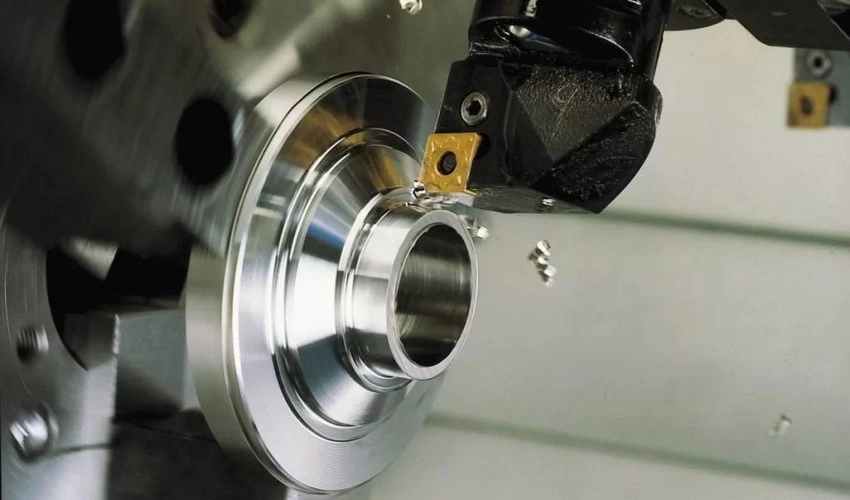
CNC machining works with a wide range of materials, giving manufacturers plenty of flexibility depending on the project requirements.
Metals are the most common choice, including aluminum, steel, stainless steel, titanium, and brass. These metals offer excellent strength, durability, and machinability, making them ideal for precision parts in aerospace, automotive, and medical industries.
Plastics such as ABS, polycarbonate, nylon, and PEEK are also popular. They’re lightweight and easy to machine, perfect for prototypes, custom CNC parts, and applications where electrical insulation or corrosion resistance is needed.
Besides metals and plastics, CNC machines can handle composites, wood, and foam, expanding options for unique industrial or artistic projects.
When selecting materials for CNC machining, consider factors like:
- Strength and durability needed for the final product
- Machinability, which affects cutting speed and tool wear
- End-use requirements, including temperature resistance and weight limits
Understanding these helps ensure your parts meet performance standards while optimizing machining accuracy and efficiency.
For advanced machining needs, exploring various CNC milling machines tailored to specific materials can improve results—check out our overview of CNC milling machine options to see how machine capabilities align with different material types.
Advantages of CNC Machining in Manufacturing
CNC machining offers superior precision and tight tolerances, ensuring every part meets exact specifications—crucial for industries where accuracy matters most. With high repeatability, CNC machines can produce large production runs with consistent quality, reducing the risk of errors that come with manual methods.
This process also leads to reduced waste and improved efficiency, as computer-controlled operations use materials precisely, minimizing scrap. CNC machining excels at creating complex geometries that would be difficult or impossible with traditional manufacturing, opening up more design possibilities.
Additionally, CNC machining improves workplace safety by automating hazardous tasks, which reduces labor intensity and limits operator exposure to dangerous conditions. For businesses looking to optimize manufacturing, CNC is a reliable way to boost quality, speed, and safety.
For precision metal parts and efficient machining solutions, exploring facilities like those at MS Machining can provide the advanced capabilities needed to meet tight tolerances and complex designs.
Common Applications and Industries
CNC machining manufacturing plays a crucial role across various industries thanks to its precision and versatility. In aerospace, CNC machines produce high-quality turbine components and structural parts that require tight tolerances and reliability under extreme conditions. The automotive sector relies on CNC machining for engine blocks, prototypes, and custom parts that demand accuracy and repeatability. Medical manufacturing benefits from CNC machining by creating implants, surgical instruments, and other delicate devices where precision is critical. Electronics industries use CNC machining to fabricate enclosures and precision components essential for performance and durability. Lastly, general manufacturing depends on CNC machining centers for custom parts and tooling, helping businesses maintain efficient production with consistent quality.
For a deeper look at suitable materials in CNC machining, check out our detailed overview of what materials a CNC machine can cut, which supports various industry needs.
Choosing a CNC Machining Partner
Picking the right CNC machining partner is crucial for getting reliable, high-quality parts on time. Here are the key factors to consider:
- Experience: Look for a partner with a solid track record in CNC machining manufacturing, especially with projects similar to yours.
- Equipment capabilities: Advanced machines like multi-axis CNC machining centers and precision CNC milling machines ensure complex parts meet tight tolerances.
- Quality certifications: Certifications like ISO 9001 demonstrate a commitment to consistent quality and process control.
- Lead times: A reliable partner offers clear timelines and stays on schedule to keep your production on track.
Precision and reliability matter because even minor errors can lead to costly rework or part failure. A skilled CNC machining provider ensures your custom CNC parts come out exactly as designed, supporting your production needs and quality standards.
At MS Machining, we combine state-of-the-art CNC equipment with expert programming and machining skills. Our team specializes in high-precision work, leveraging advanced tools like our CNC milling machines and machining centers to deliver parts with superior accuracy. We’re committed to customer satisfaction, providing fast turnaround times, clear communication, and quality you can trust every step of the way.
Frequently Asked Questions about CNC Machining
What is the difference between CNC milling and turning?
CNC milling uses rotary cutters to remove material by moving the workpiece or tool along multiple axes, ideal for complex shapes and surfaces. CNC turning, on the other hand, rotates the workpiece against a fixed cutting tool, best for cylindrical or symmetrical parts. Both methods offer high precision but serve different design needs and part geometries.
How accurate is CNC machining?
CNC machining delivers excellent machining accuracy, often achieving tolerances within a few thousandths of an inch (±0.001”). Precision depends on the machine type, tooling, and setup, which is why reliable CNC machining partners prioritize quality control throughout production.
What materials work best for prototypes?
Common prototype materials include metals like aluminum and stainless steel, and plastics such as ABS and polycarbonate. The choice depends on the prototype’s function, required strength, and finish. For example, aluminum is widely preferred for prototype machining due to its machinability and strength-to-weight ratio. You can find specialized services like aluminum CNC machining for high-quality prototyping.
How long does a typical CNC job take?
Job durations vary depending on complexity, size, and quantity. Small custom CNC parts may finish within hours, while larger or multi-operation jobs take longer. Programming, setup, and quality checks also impact lead times. Working with a CNC machining center experienced in your parts can help streamline your delivery.
Why choose CNC machining for certain parts?
CNC machining delivers excellent surface finish, tight tolerances, and reliable dimensional accuracy, making it well suited for functional prototypes and precision components. It supports a wide range of metal and engineering materials and allows fine machining details that are critical for parts requiring mechanical strength and long-term stability. For medium to large production runs, CNC machining also ensures consistent quality and repeatability, helping reduce variation and rework.