Precision Sheet Metal Cutting Techniques for Tight Tolerances and Quality

Precision Sheet Metal Cutting-01

What Is Precision Sheet Metal Cutting?

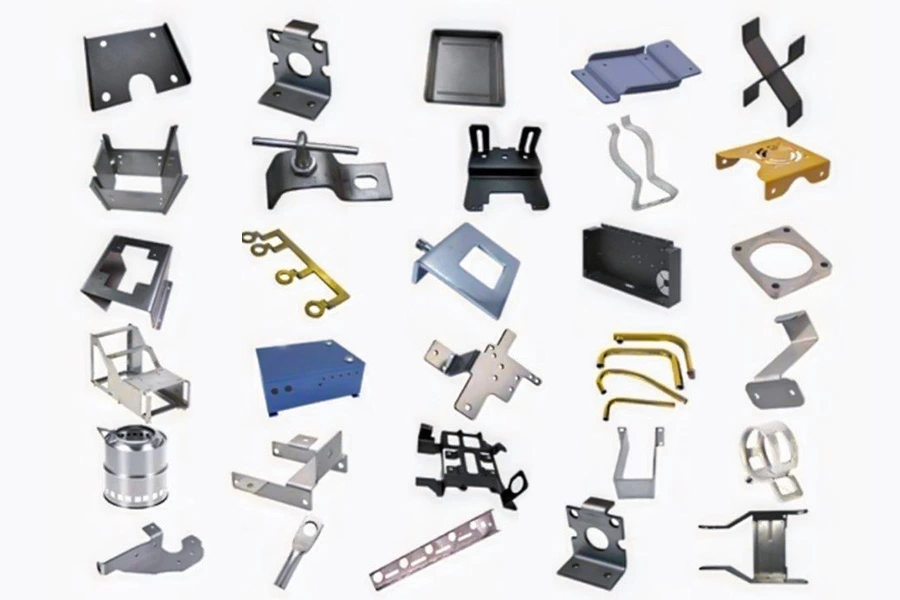
Precision sheet metal cutting is a highly accurate process used to shape metal sheets into specific parts or components. It involves removing material with exact control over dimensions, edge quality, and surface finish to meet tight tolerance requirements. The key goal is to produce clean, consistent cuts that fit seamlessly into the next stage of manufacturing or assembly.

Several critical factors influence the success of precision sheet metal cutting:

  • Material Type: Different metals like mild steel, stainless steel, aluminum, copper, and brass each behave uniquely under cutting. Their hardness, ductility, and thermal properties affect the cutting method and quality.
  • 材料の厚さ: Thickness impacts machine selection and cutting parameters. Thin sheets demand fine tolerances, while thicker metals require more powerful cutting tools without compromising edge quality.
  • エッジ品質: Clean, burr-free edges reduce post-processing and improve fit and finish. Edge smoothness is essential for applications requiring high precision metal fabrication.
  • 許容誤差の要件: Tight tolerance cutting ensures parts meet dimensional specifications, essential for industries like aerospace and medical devices where precision machining is critical.

In , precision sheet metal cutting combines specific material considerations with advanced techniques to deliver custom sheet metal parts that meet demanding standards in size, shape, and finish.

Common Materials for Precision Sheet Metal Cutting

common Materials for Precision Sheet Metal Cutting

When it comes to precision sheet metal cutting, the choice of material plays a huge role in determining the quality of the cut and the overall finished product. Common materials include mild steel, stainless steel, aluminum alloys, copper, brass, and various specialty metals. Each of these metals has unique properties that affect how they respond to cutting techniques.

  • Mild steel is popular for its strength and affordability, often used in structural parts and enclosures.
  • ステンレス鋼 offers excellent corrosion resistance and strength, making it essential for medical devices and food-grade applications. For specialized stainless steel parts, services like ステンレス鋼研磨 can enhance surface finish post-cutting.
  • アルミニウム合金 are lightweight with good corrosion resistance and thermal conductivity, common in aerospace and automotive parts. Aluminum precision cutting requires careful control to avoid burring or warping.
  • Copper and brass are valued for conductivity and aesthetic appeal. Their softness demands precise control to avoid deformation during cutting.
  • Specialty metals such as titanium or nickel alloys are used where high strength and heat resistance are critical, but they can be tougher to cut precisely without advanced equipment.

Material thickness, hardness, and thermal conductivity influence factors like edge quality, cut speed, and heat-affected zones. For example, cutting thicker stainless steel sheets calls for equipment and expertise tailored to maintain tight tolerances, as seen in custom sheet metal parts.

Choosing the right material and understanding its properties is key to achieving high precision and consistent quality in metal fabrication projects.

Primary Precision Cutting Techniques

When it comes to precision sheet metal cutting, several advanced methods stand out, each with unique strengths.

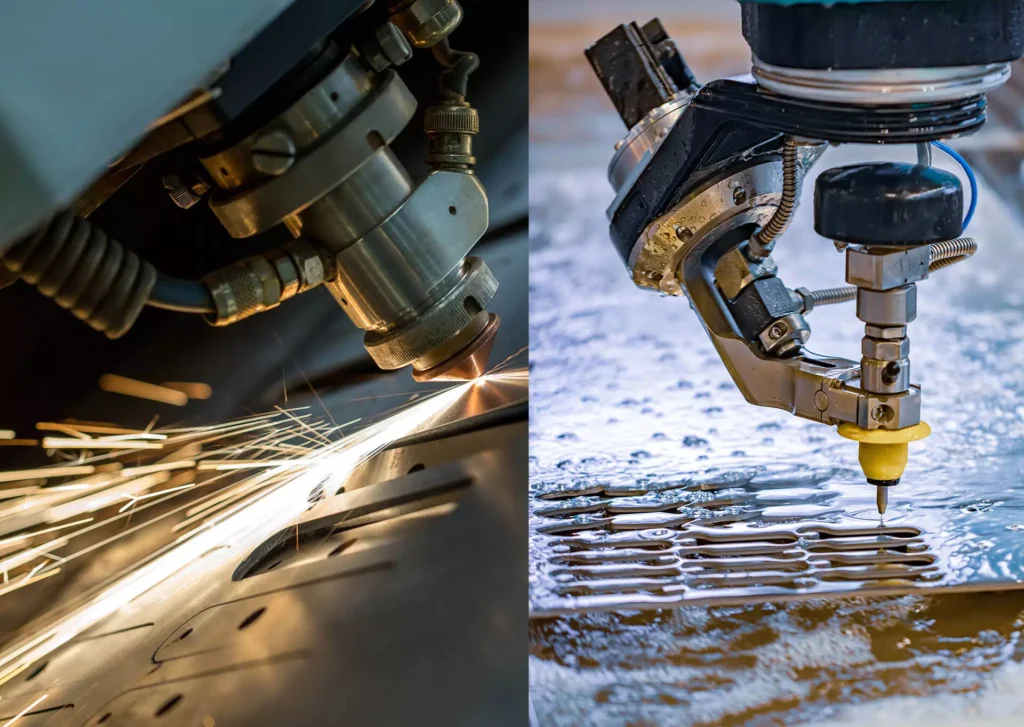
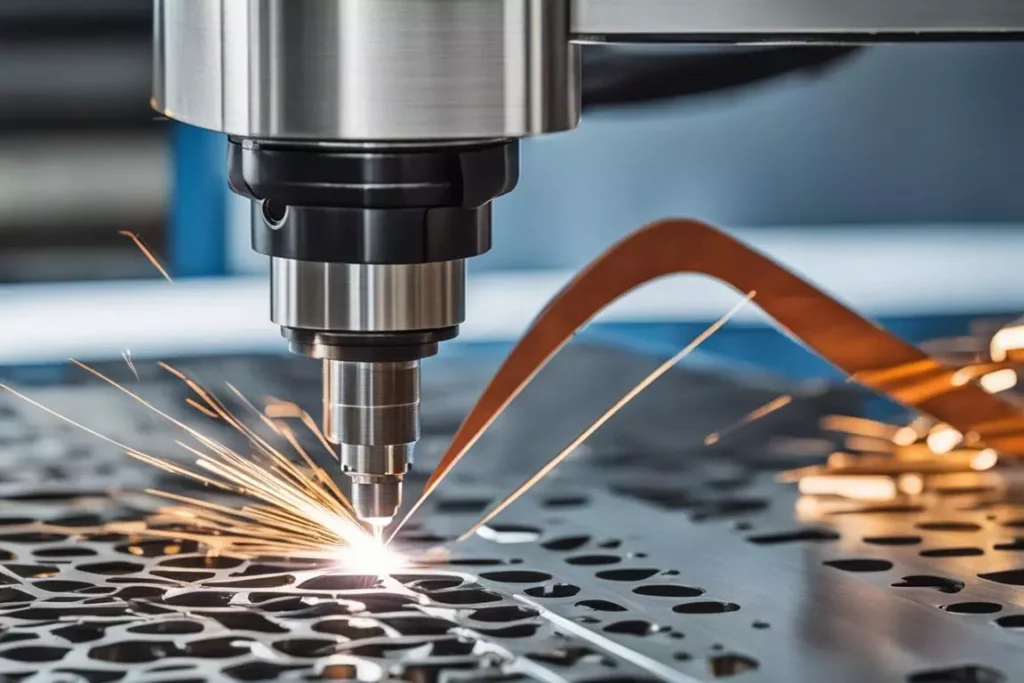
レーザー切断 is among the most popular for precision metal fabrication. It comes in two main types: fiber lasers and CO2 lasers. Fiber laser cutting excels at speed and energy efficiency, especially for thinner metals like stainless steel and aluminum alloys. CO2 lasers are better suited for cutting thicker materials. Both types offer tight tolerance cutting with clean edges and minimal burrs, crucial for applications demanding high precision. Laser cutting sheet metal is also known for producing a narrow heat-affected zone, which helps maintain material integrity.

ウォータージェット切断 is a cold process that uses a high-pressure stream of water mixed with abrasive particles. This makes it ideal for heat-sensitive materials or very thick metals, where laser cutting might cause warping or structural changes. The abrasive waterjet method can also create bevel cuts, providing versatility in complex designs without heating the sheet metal, which preserves its original properties.

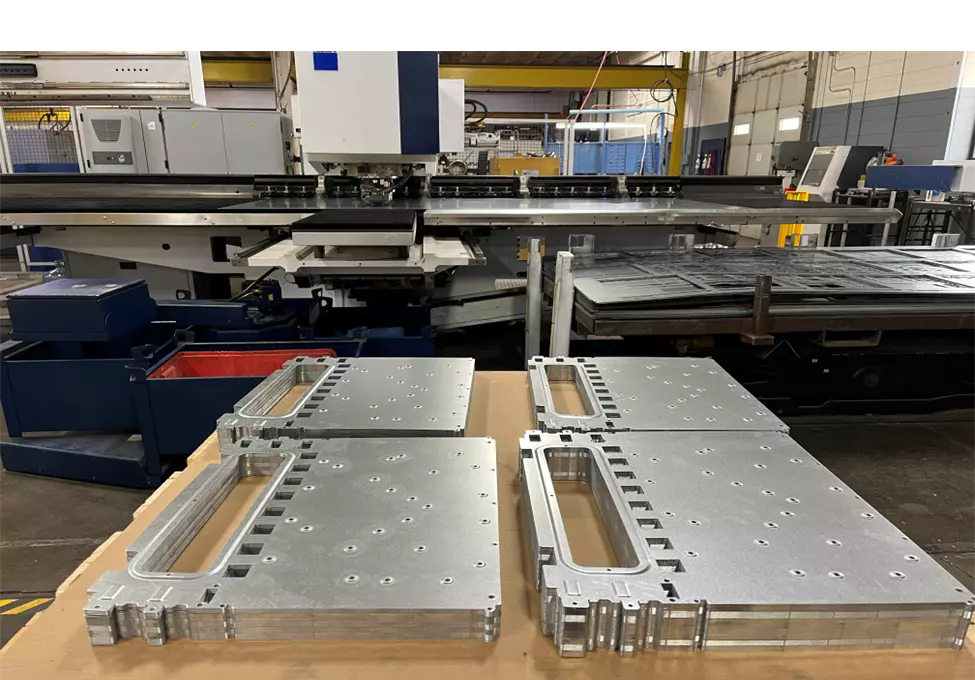
CNCパンチング, or turret punching, is perfect for high-volume production runs with repetitive cut features. This method is cost-effective and fast, using a mechanical press to punch shapes through the sheet metal. Many modern setups combine CNC punching with laser cutting for hybrid precision, optimizing both speed and complexity in parts production.

Other methods like シアリングplasma cutting exist but have limitations. Shearing is fast and simple but generally lacks the tolerance and edge quality required for precision projects. Plasma cutting can handle thicker metals but often results in a rougher edge and a larger heat-affected zone, making it less desirable for tight tolerance cutting.

For more about how laser technology fits into metalworking, check out our detailed レーザー切断サービス to see options for precision sheet metal fabrication with fiber and CO2 lasers.

Comparing Cutting Methods: Laser vs. Waterjet vs. Punching

laser-cutting-vs-waterjet-1
laser-cutting-vs-waterjet

When choosing the right precision sheet metal cutting method, it helps to understand how laser cutting, waterjet cutting, and CNC punching compare across key factors like precision, speed, thickness, edge quality, heat-affected zone, and costs. Here’s a quick breakdown:

特徴 Laser Cutting Sheet Metal Waterjet Cutting Precision CNC Sheet Metal Punching
精度 High (±0.001–0.005 in) Very high, suitable for complex shapes Good for repetitive, less intricate cuts
速度 Fast for thin-medium thickness Slower, especially on thick materials Very fast on thin sheets; best for high volume
厚さ範囲 Up to ~1 in (depending on laser) Up to 6 in or more Typically up to 0.25 in
エッジの品質 Smooth with minimal burrs Excellent, no heat damage May require secondary finishing
Heat-Affected Zone Present, can affect metal properties None since it’s a cold cutting process なし
Cost Factors Higher initial investment, efficient for complex jobs Moderate to high; abrasive cost adds up Cost-effective for high volume
最良のアプリケーション Stainless steel cutting, tight tolerance parts, complex contours Heat-sensitive materials, thick metals, bevel cuts High-volume sheet metal punching, simple geometry

Takeaway:

  • レーザー切断 shines for clean, precise cuts on thinner materials with tight tolerances, making it ideal for detailed custom sheet metal parts.
  • Waterjet cutting is preferred for thick, heat-sensitive metals where preserving material properties is critical.
  • Sheet metal punching (CNC punching) offers cost-effective, fast production for repetitive patterns but is limited on thickness and complexity.

Each method fits unique needs depending on project requirements, material types, and production volume. Partnering with a shop that offers integrated solutions, such as combining laser and turret punching, can maximize efficiency and precision.

For complex part prototyping and production runs, advanced CNC加工サービス can complement cutting processes to achieve consistent high precision.

Factors Influencing Cutting Precision

Applications and Industries Relying on Precision Sheet Metal Cutting

Achieving top-notch precision sheet metal cutting depends on several key factors working together seamlessly. First up is machine calibration—regular tuning and maintenance of cutting equipment ensure cuts meet tight tolerance cutting standards every time. Without proper calibration, even the best machines can miss critical specs.

Next is the software side. Advanced CAD/CAM nesting optimizes material use and guides precise cutting paths, reducing waste and improving accuracy. Effective nesting software is crucial for complex shapes and high precision machining jobs.

Material preparation also plays a major role. Clean, flat, and correctly sized sheets contribute to consistent cuts, while proper fixturing keeps the workpiece stable during the process, eliminating unwanted movement or vibrations that can ruin edge quality.

Operator expertise is another key piece—skilled technicians adjust machine settings, troubleshoot on the fly, and ensure each run matches the specifications. Alongside this, rigorous 品質管理 inspects parts during and after cutting, catching defects early to keep standards consistent.

最後に、, post-cut processes like deburring or edge finishing help achieve the perfect final touch on components, especially important when working with materials like stainless steel or specialty metals listed in our CNC加工材料 サービスをご覧ください。.

In short, to nail precision sheet metal fabrication, you need the right mix of well-tuned machines, smart software, quality materials, expert operators, and thorough quality checks. This holistic approach ensures your metal cutting projects deliver flawless results every time.

Applications and Industries Relying on Precision Sheet Metal Cutting

Precision sheet metal cutting plays a crucial role across many industries in the U.S., where tight tolerances and high-quality edges are non-negotiable. Here’s a quick look at some top sectors relying on precision metal fabrication:

  • 航空宇宙: Parts demand extreme accuracy and consistency to meet safety standards. Materials like stainless steel and specialty alloys often require advanced cutting methods.
  • 自動車: From body panels to engine components, CNC sheet metal cutting ensures durability and precise fitting, supporting mass production as well as custom builds.
  • 電子機器: Thin sheet metals are cut to exact specifications for casings, heat sinks, and connectors, where fine tolerances and minimal heat affected zones are critical.
  • 医療機器: Precision machining and cutting of metals like stainless steel and biocompatible alloys guarantee safety, reliability, and compliance within medical tools and equipment. For example, materials used in surgical instruments benefit from high-precision CNC machining and fabrication processes.
  • Architectural and Custom Fabrication: Creative metal designs and functional parts alike depend on clean, accurate cuts for aesthetic appeal and structural integrity.

Each of these industries demands high precision sheet metal cutting to maintain product performance and quality. Partnering with experts in precision sheet metal fabrication ensures components meet spec every time, supporting both prototyping and full production runs.

For specialized metal needs in medical and other demanding fields, explore our resources on CNC machining medical pharmaceutical equipmentcustom alloy CNC machining services.

Advantages of Partnering with a Specialist Like MS Machining

Choosing a precision sheet metal cutting specialist like MS Machining means access to advanced equipment designed for tight tolerance cutting and high precision machining. Whether you need rapid prototyping or full-scale production, MS Machining offers seamless transitions with consistent quality assurance every step of the way.

Their expertise covers a wide range of precision metal fabrication methods including laser cutting sheet metal, waterjet cutting precision, and CNC sheet metal cutting. This ensures your custom sheet metal parts meet exact specifications with excellent edge quality and minimal heat affected zone.

Plus, MS Machining’s full-service fabrications provide a one-stop solution—from initial design input using CAD/CAM software to final inspection—helping U.S. manufacturers reduce lead times and improve efficiency. For industries requiring specialty materials, like those served by MS Machining’s aluminum machining parts and military machining services, partnering with a trusted precision sheet metal expert makes all the difference.

コメントを残す

メールアドレスが公開されることはありません。 が付いている欄は必須項目です

あなたのコメント