
Precision CNC Machining Services for Semiconductor Equipment Components
Supporting Semiconductor Equipment OEMs with precision machining solutions for complex components, from prototype development and low-volume production to repeat manufacturing. We provide engineering support, tight tolerance machining, and quality documentation to meet project requirements.
Our Service
CNC Machining Solutions for Semiconductor Equipment Components
We provide custom CNC machining services for Semiconductor Equipment OEMs, manufacturing precision mechanical components used in wafer processing equipment, inspection equipment, and semiconductor automation systems.
Our manufacturing support covers Prototype Development, low-volume production, and Repeat Manufacturing. Based on customer drawings, technical specifications, and project requirements, we manufacture complex structural parts, precision functional components, and customized mechanical parts to support projects from initial development through repeat production.
Semiconductor Equipment Components We Manufacture:
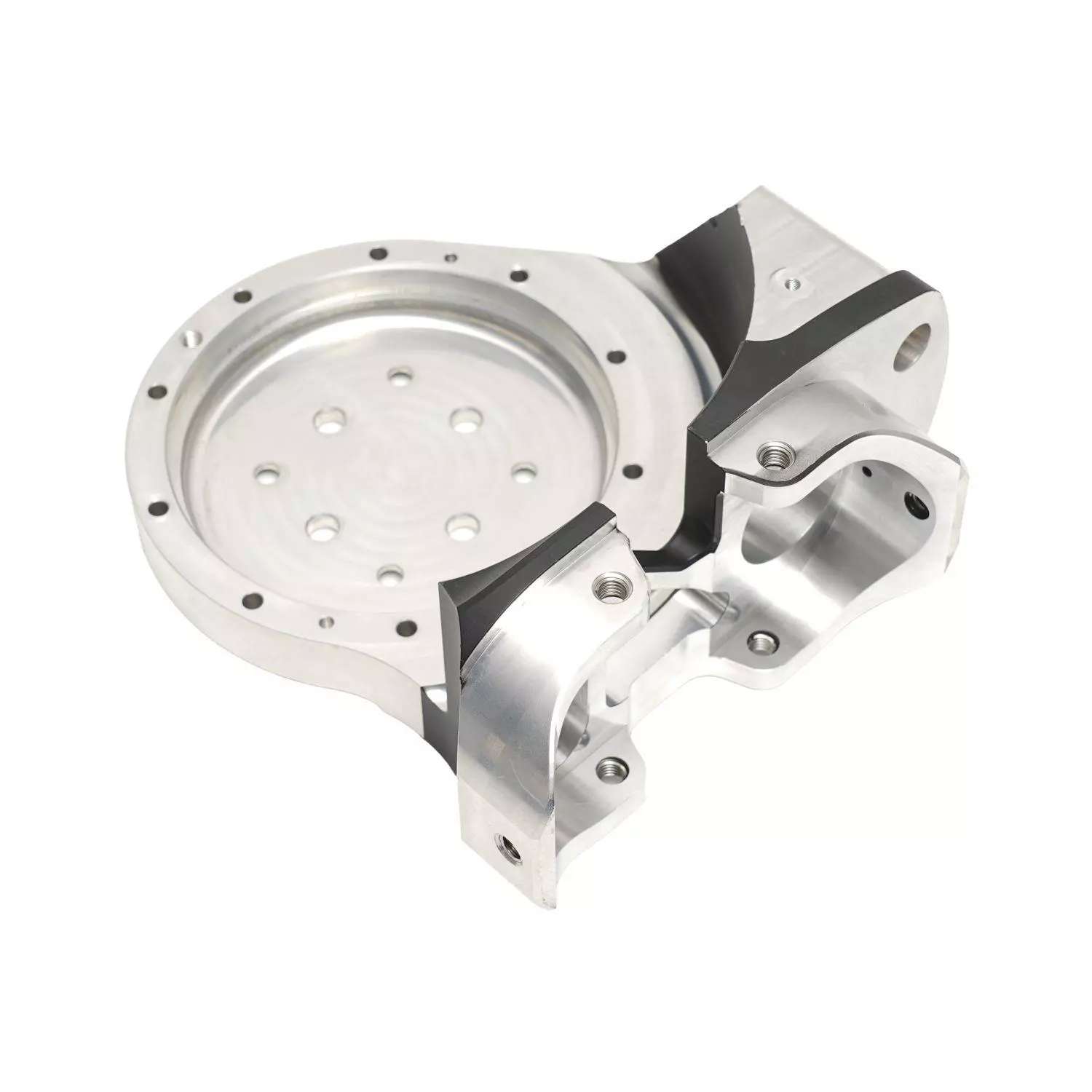
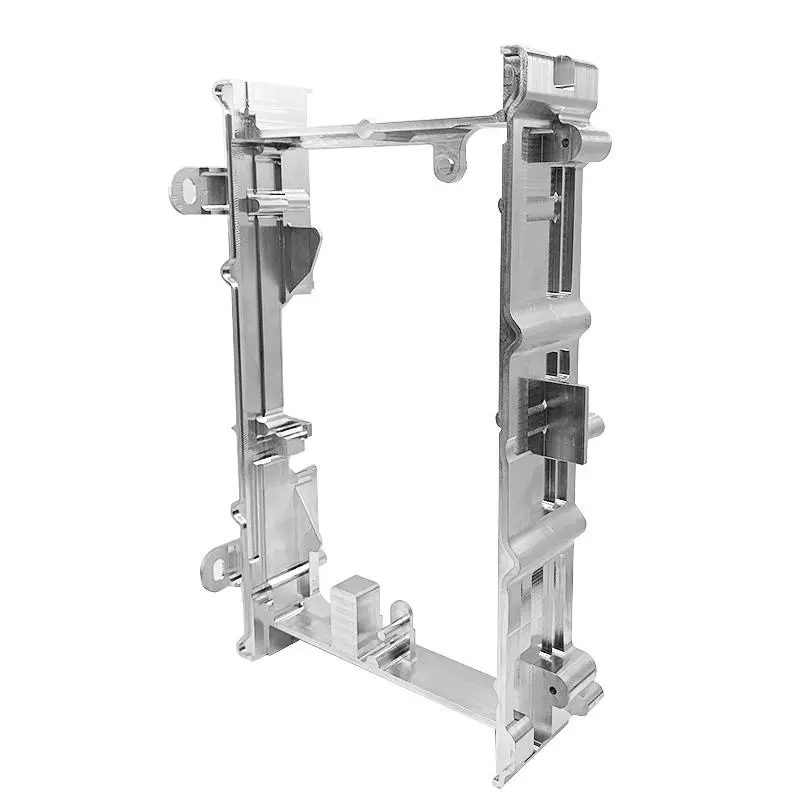
- Precision Structural Components---We manufacture structural components used in semiconductor equipment, including support structures, mounting components, and precision mechanical parts. These components are applied in equipment frames, module assemblies, and mechanical connection structures, manufactured according to part requirements for equipment integration.
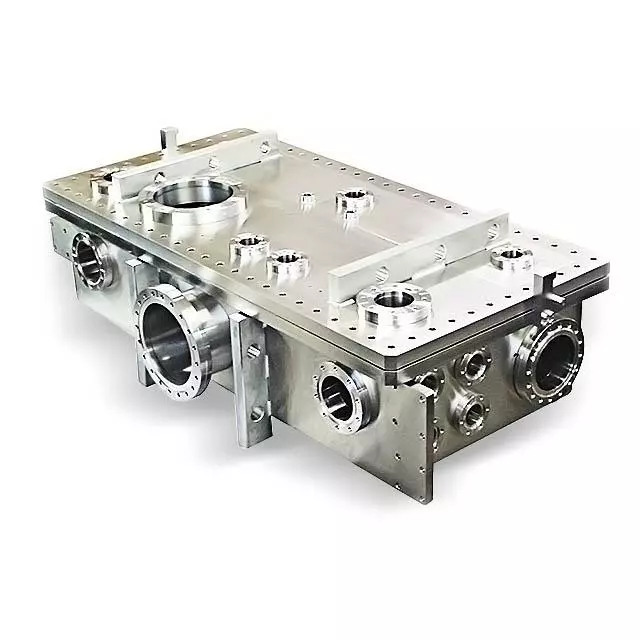
- Equipment Base Plates---We manufacture custom base plates used for semiconductor equipment platforms, mounting structures, and positioning systems, including equipment plates, mounting plates, and support components. We support base plate manufacturing with different sizes and structural requirements for equipment module installation and integration.
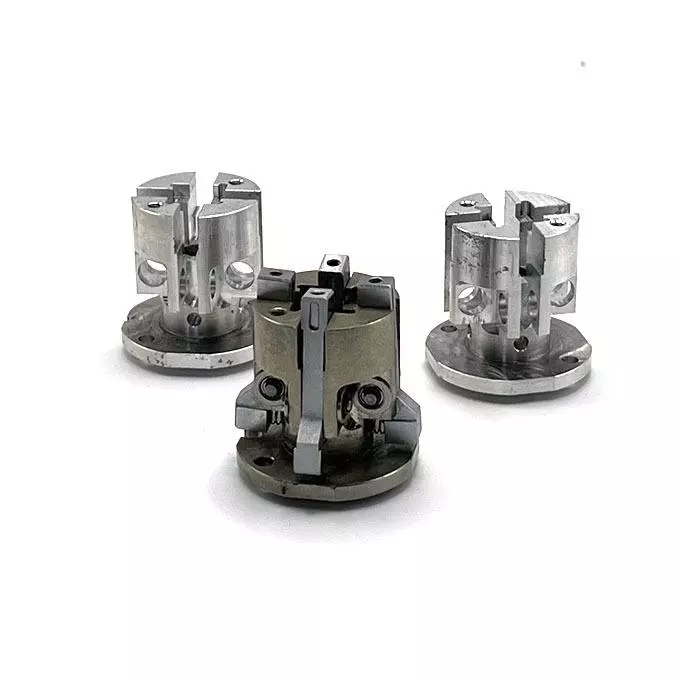
- Motion System Components---We machine precision components used in semiconductor equipment motion systems, including brackets, connectors, and positioning components. These parts are used in internal motion modules and mechanical mechanisms, requiring stable structural fit and consistent assembly performance.
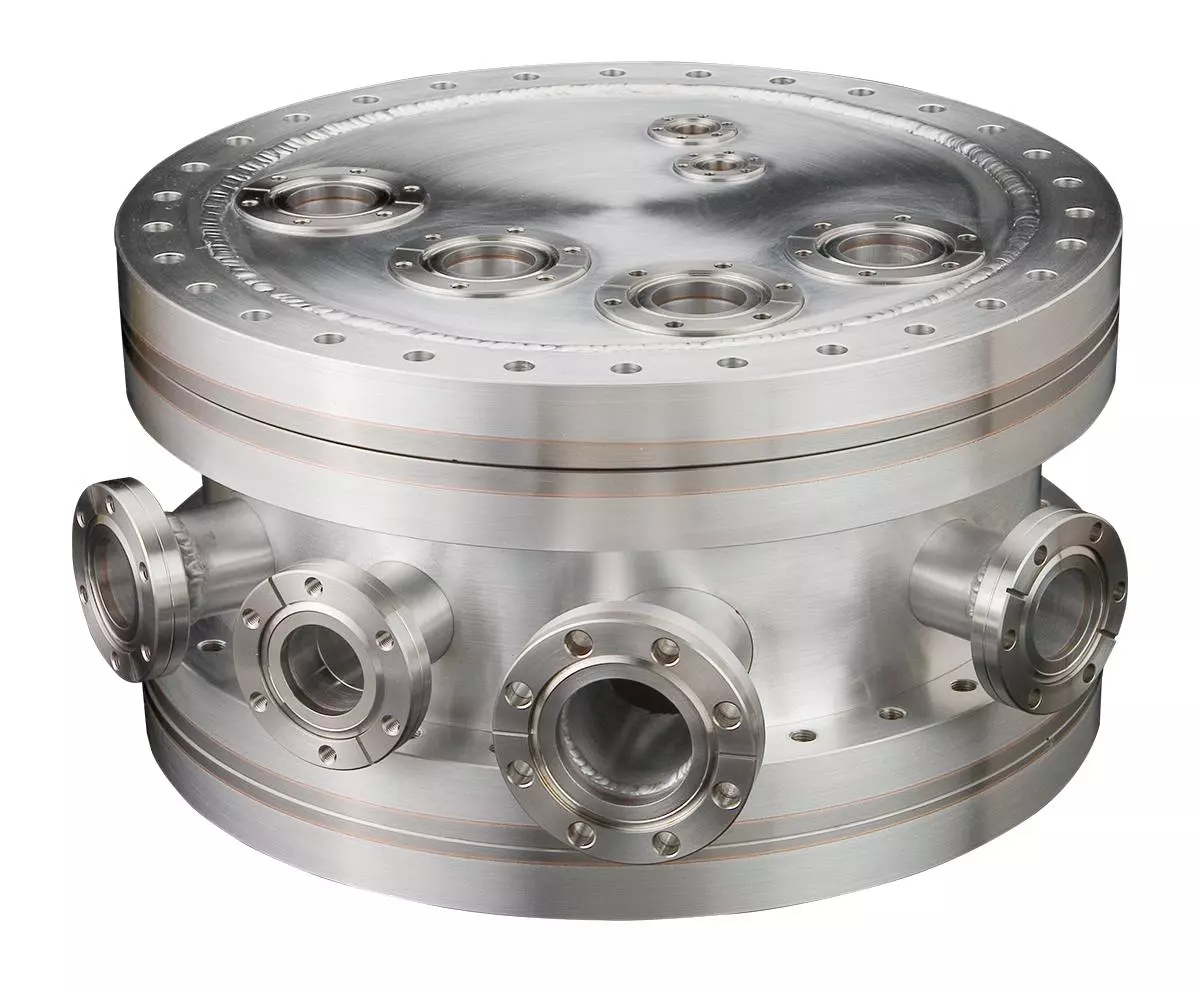
- Vacuum-Related Components---We manufacture precision mechanical components used in vacuum systems and related equipment modules, including mounting parts, structural components, and functional assemblies. Based on part design requirements, material characteristics, and surface finishing requirements, we support component manufacturing for different application environments.
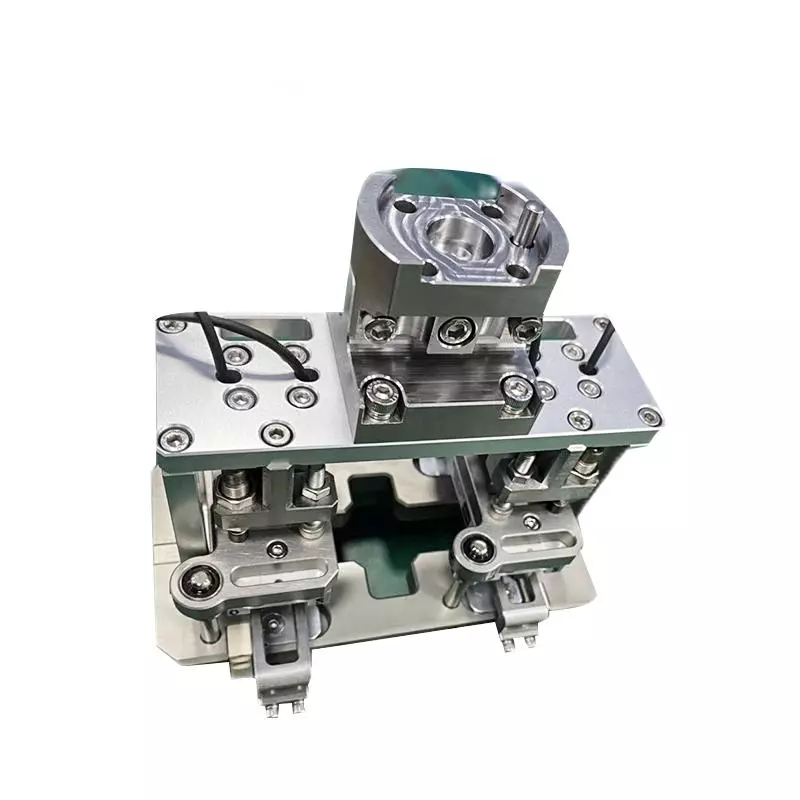
- Custom Fixtures and Tooling---We manufacture custom fixtures, jigs, and auxiliary tooling used in semiconductor equipment development, assembly, testing, and production processes. These tooling solutions support equipment validation, assembly procedures, and production-stage manufacturing requirements.
Our Service
Engineering Support for Semiconductor Equipment Part Manufacturing
Semiconductor equipment components often involve complex structures, specialized materials, and strict manufacturing requirements. During product development and production introduction, early identification of manufacturing risks and confirmation of machining feasibility can help reduce unnecessary adjustments and improve the transition from development to production.
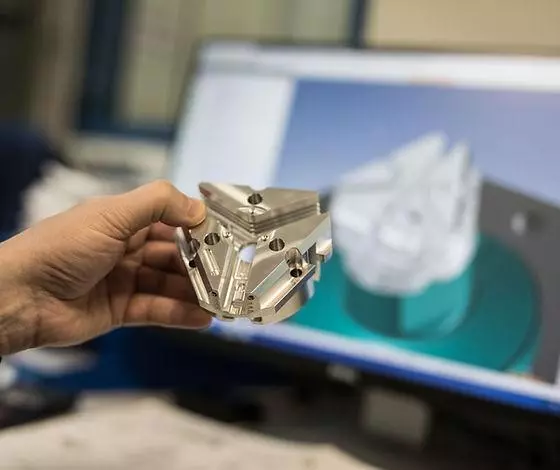
Based on customer drawings, technical specifications, and project requirements, we provide manufacturing-focused engineering support, including drawing review, DFM feedback, manufacturing feasibility evaluation, and design change communication. This support helps customers move semiconductor equipment components from initial development through production manufacturing.
Engineering Support for Semiconductor Equipment Part Manufacturing:
- Drawing Review---At the beginning of a project, we review customer drawings to understand part structures, critical features, and manufacturing requirements. Potential factors that may affect machining are identified early, allowing technical discussions before production begins.
- DFM Feedback---Based on CNC machining experience, we provide DFM feedback on part structures and manufacturing requirements. Potential design factors that may increase machining difficulty or affect production efficiency are identified to improve part manufacturability.
- Manufacturing Feasibility Evaluation---We evaluate manufacturing feasibility based on part geometry, material characteristics, machining requirements, and production volume. This helps identify potential manufacturing challenges and provides a practical approach for production planning.
- Design Change Support---During product development, we support communication related to design changes and evaluate how modifications may affect machining processes, part structures, and manufacturing requirements to help maintain project progress.
MS Machining
High-Precision CNC Machining for Critical Semiconductor Components
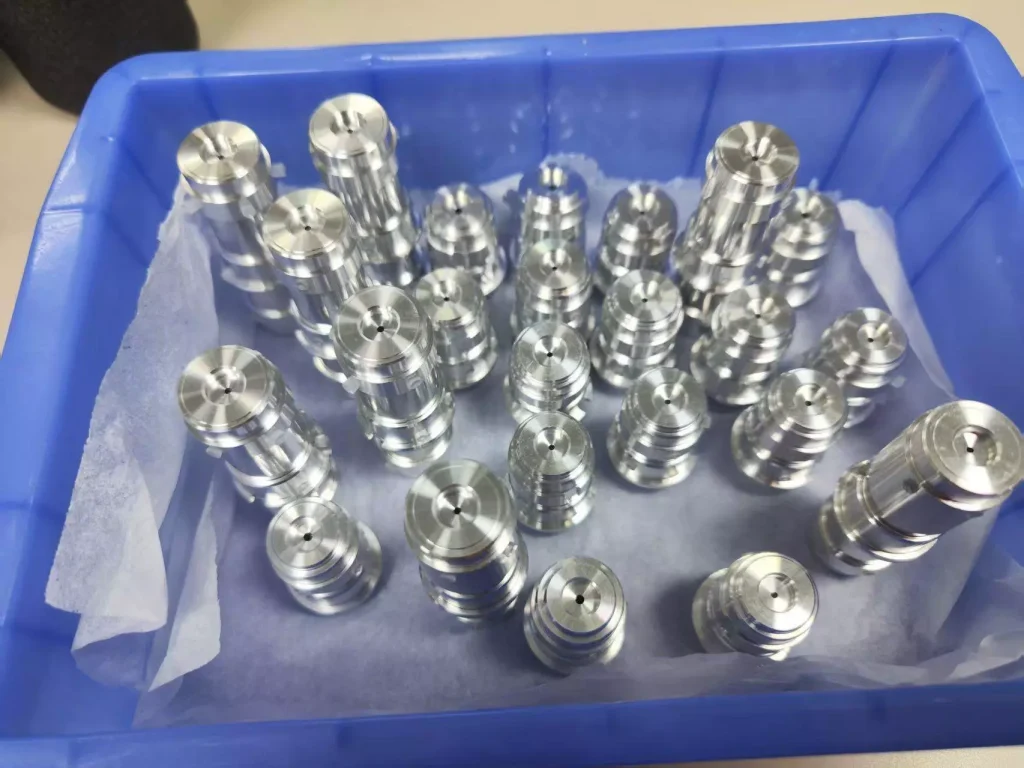
Critical mechanical components used in semiconductor equipment often include precision locating features, mounting interfaces, and complex geometries. Manufacturing these components requires not only meeting individual dimensional requirements, but also maintaining the positional relationships between multiple machined features to ensure proper assembly and module integration.
Based on part geometry, material characteristics, and engineering drawing requirements, machining processes are developed to control critical dimensions, alignment features, and functional interfaces. Through process planning, machining process control, and dimensional verification, components are manufactured according to design specifications while supporting prototype development, low-volume production, and repeat manufacturing. For precision machining areas, critical dimensions can be controlled to ±0.01 mm according to drawing requirements.
- Tight Dimensional Tolerances---For components with strict dimensional requirements, machining processes focus on controlling critical dimensions, mating areas, and dimensional stability throughout production. Depending on part complexity and technical requirements, dimensional tolerances down to ±0.01 mm to ±0.01 mm can be achieved to support precision component manufacturing.
- Critical Alignment Features---For locating holes, reference surfaces, and features with positional relationships, machining processes focus on maintaining feature alignment and geometric accuracy. Proper operation sequencing and machining reference control help ensure components meet assembly requirements.
- Precision Mounting Interfaces---For equipment mounting surfaces, module connection areas, and precision mating interfaces, machining results are controlled according to engineering requirements, including dimensional relationships, surface conditions, and fit accuracy to support proper component assembly.
- Complex Geometric Requirements---For components with complex contours, multi-sided machining requirements, deep cavities, thin-wall structures, or multiple integrated features, machining processes are planned according to part characteristics to reduce manufacturing risks and achieve consistent component production.
Our Service
Complex Component Manufacturing Capabilities for Semiconductor Equipment
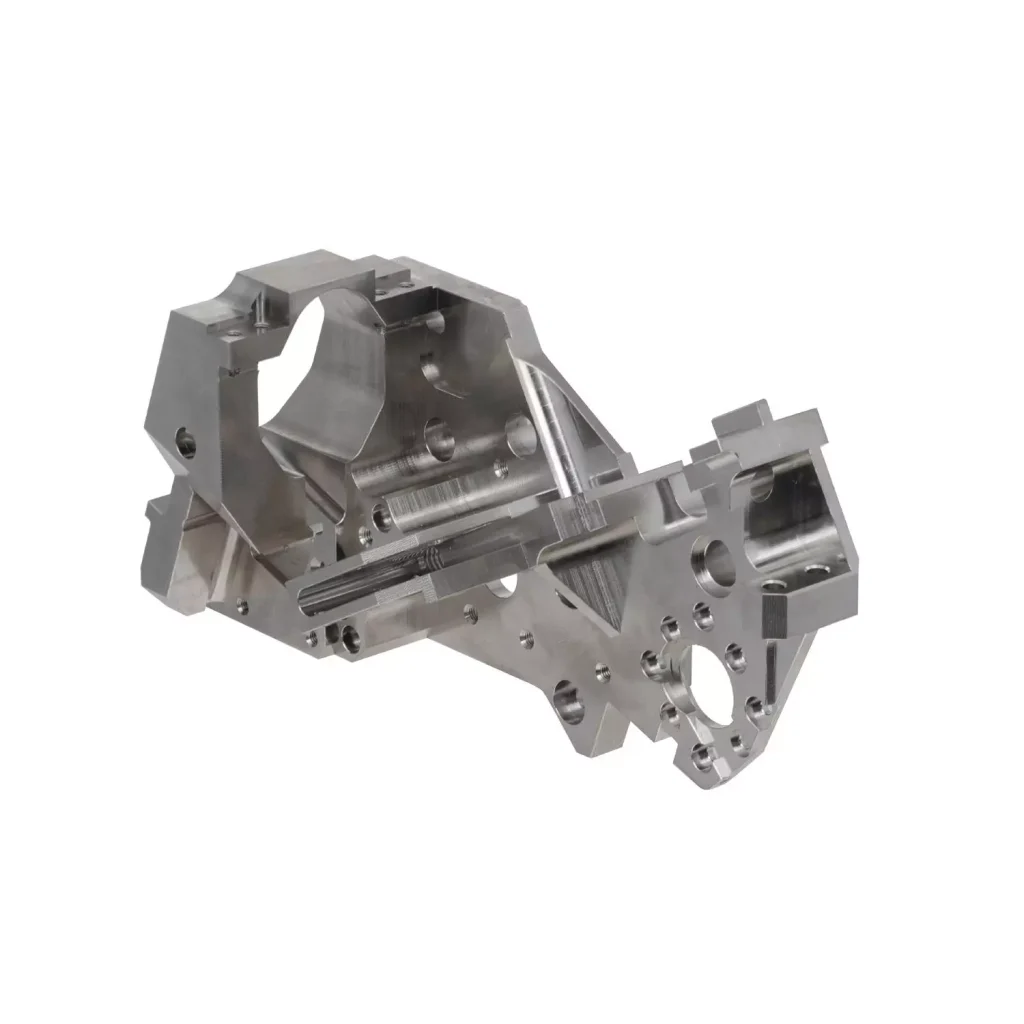
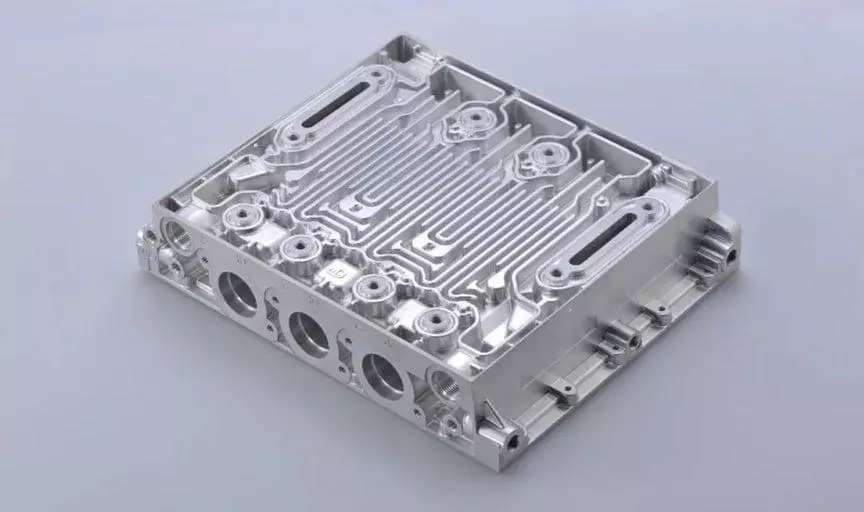
Semiconductor equipment components are often not simple mechanical parts. They typically combine multiple manufacturing requirements, including mounting interfaces, precision reference features, hole patterns, functional surfaces, and complex geometries. The relationship between these features directly affects part fit, assembly accuracy, and integration with equipment modules.
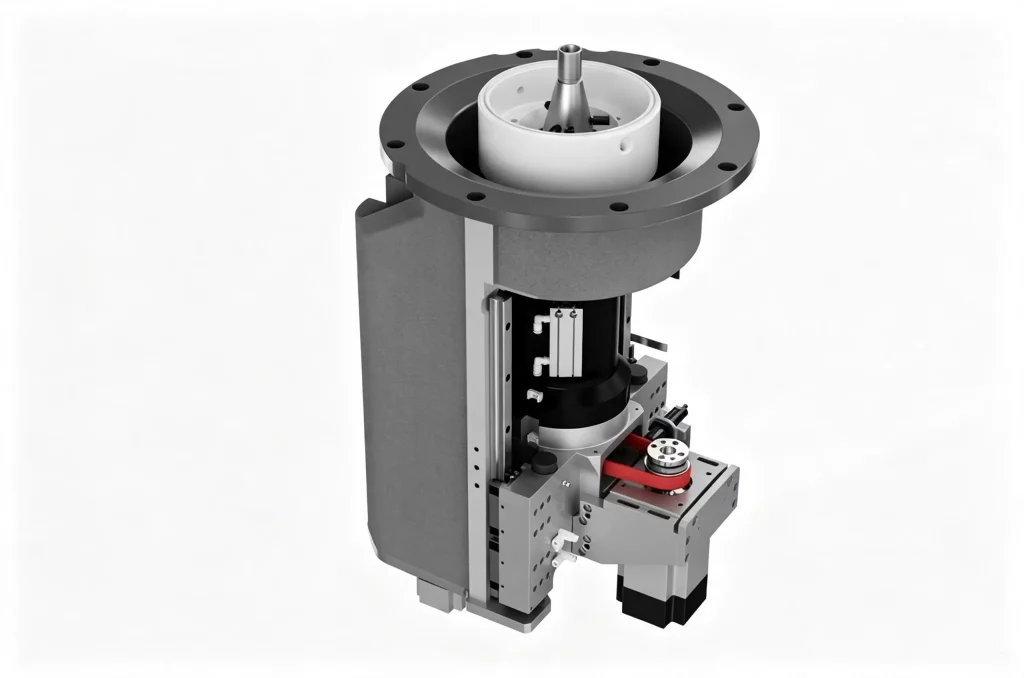
For complex components, we support CNC manufacturing across milling, turning, and multi-axis machining processes. By selecting suitable machining approaches for different part structures and requirements, complex geometries, critical features, and multiple functional areas can be manufactured with consistent dimensional relationships.
Multi-Feature Precision Components
Semiconductor equipment parts often include multiple precision features, such as mounting holes, locating structures, interface surfaces, and functional areas. For these multi-feature components, controlling the relationship between individual features is critical to ensure proper assembly and integration.
Complex Structural Parts
We manufacture components with complex geometries, including multi-sided structures, deep pockets, irregular profiles, and large mechanical structures. Machining approaches are selected based on part geometry and requirements to achieve accurate manufacturing of complex features.
Multi-Process Machining Capability
Some semiconductor equipment components require a combination of CNC milling, CNC turning, and multi-axis machining to complete different areas of the part. Integrating multiple machining processes helps reduce unnecessary transitions between suppliers and improves consistency across the finished component.
Precision Interfaces and Functional Features
Critical areas such as mounting interfaces, locating features, and functional surfaces require controlled relationships between different machined areas. Maintaining these relationships helps ensure that components meet equipment assembly requirements.
MS Machining
Quality Inspection and Traceability for Semiconductor Equipment Components
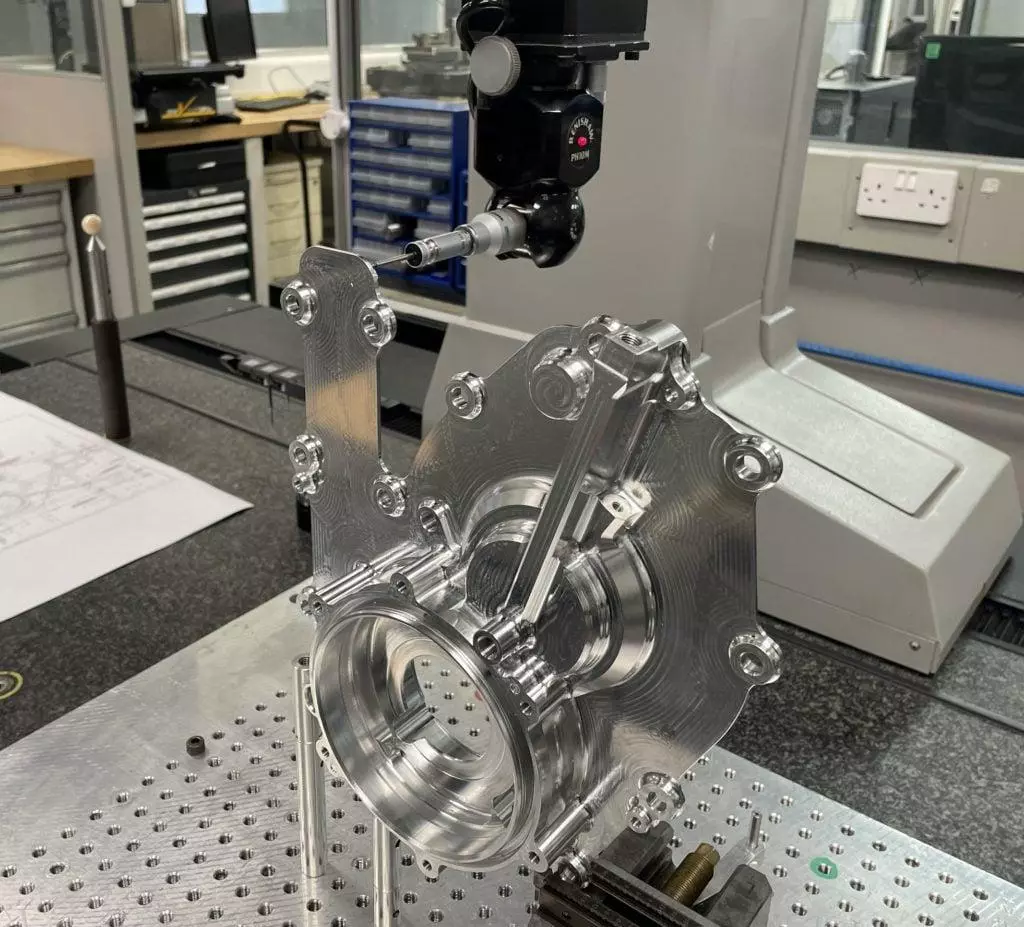
Semiconductor equipment components often require verification of critical dimensions, mounting interfaces, and material specifications before integration into equipment systems. Beyond machining capability, customers need clear inspection records and traceability information to confirm that delivered components meet engineering requirements.
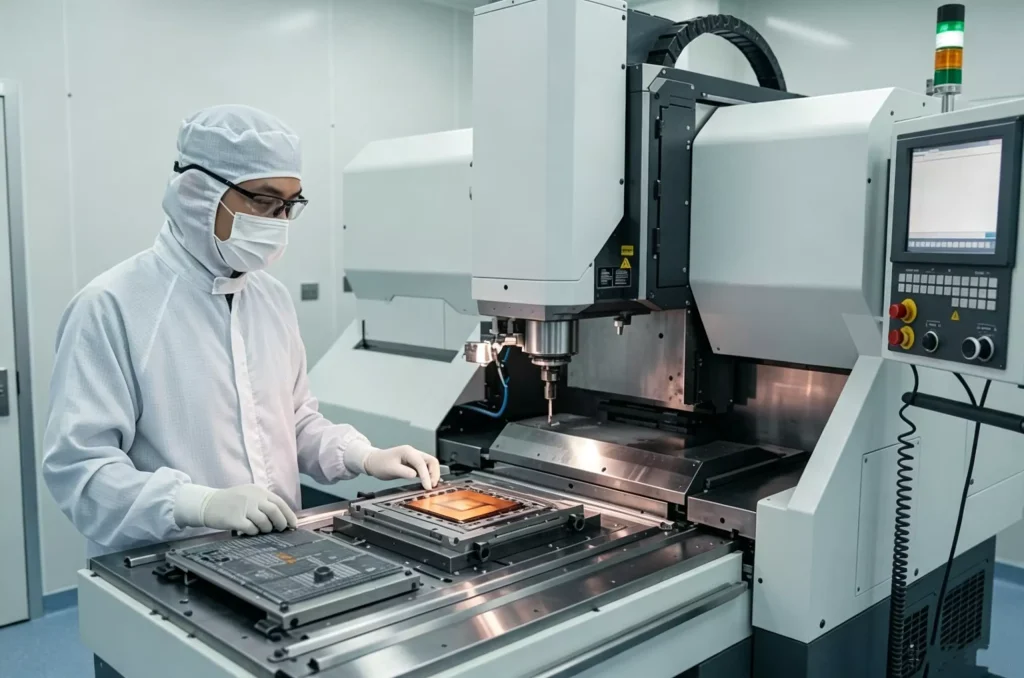
For precision CNC machined components, inspection is performed based on part requirements, including dimensional verification, critical feature inspection, and surface finish confirmation. CMM inspection and measurement data are used to verify key characteristics that affect part fit, alignment, and functional performance.
For projects requiring quality documentation, inspection reports, material certificates, and manufacturing records can be provided to support supplier qualification, incoming inspection, and component traceability requirements.
MS Machining
Prototype to Production Manufacturing Support
Semiconductor equipment development typically involves multiple stages, including part development, engineering validation, equipment testing, and production introduction. During this process, component requirements may change due to test results, design improvements, or equipment updates, requiring a manufacturing supplier that can support the project beyond initial prototype machining.
We support semiconductor equipment components from Prototype Machining and Engineering Validation through Low-volume Production and Repeat Manufacturing stages. During the development phase, we work with customers to manufacture validation parts and support subsequent manufacturing adjustments based on test feedback, design updates, and production requirements, enabling a smooth transition from development components to ongoing supply.
For projects involving drawing revisions, design changes, and repeat orders, we provide continued manufacturing support to help maintain consistency across different production stages and reduce the impact of supplier transitions.
MS Machining
Materials and Surface Finishing Support for Semiconductor Equipment Components
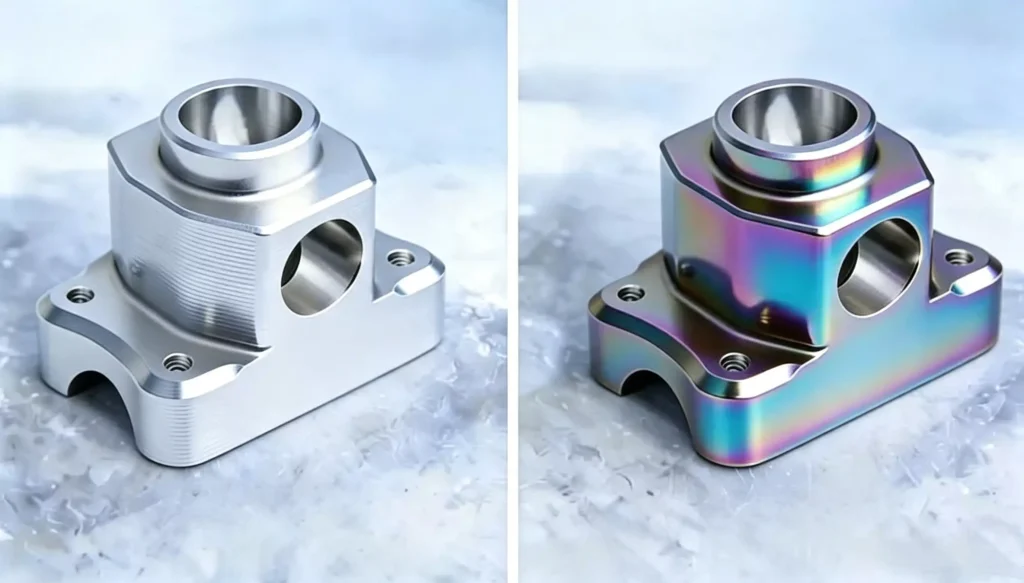
Semiconductor equipment components often require specific material selections and surface finishing solutions based on part function, equipment environment, and assembly requirements. Material properties directly affect part strength, dimensional stability, corrosion resistance, and long-term performance, while surface treatments influence surface condition and functional requirements in specific applications.
We support CNC machining of commonly used semiconductor equipment materials, including aluminum alloys, stainless steels, titanium alloys, and engineering plastics. Typical materials include 6061-T6 and 7075-T6 aluminum, 303, 304, 316, and 17-4 PH stainless steel, Ti-6Al-4V titanium alloy, as well as engineering plastics such as PEEK and PTFE. Material selection is based on part structure, application conditions, and performance requirements to meet different component needs for strength, weight control, corrosion resistance, and stability.
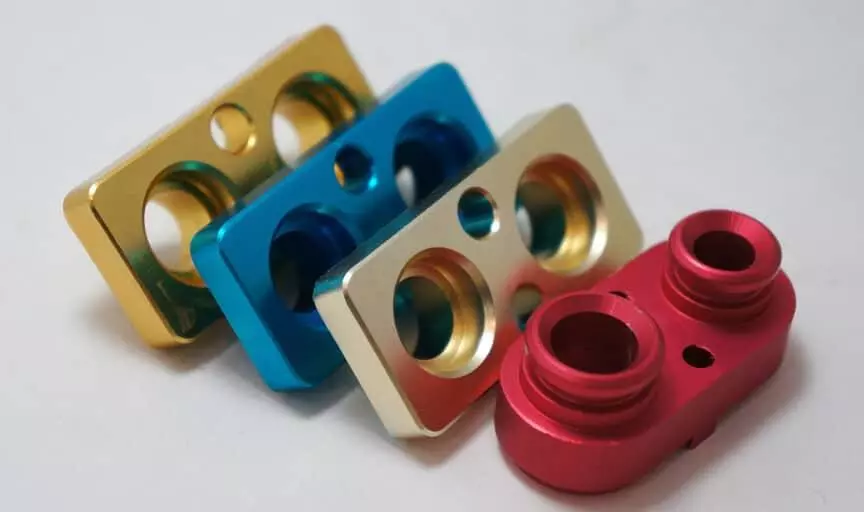
Surface finishing support is provided according to material characteristics and application requirements, including anodizing, hard anodizing, passivation, electropolishing, electroless nickel plating, and other finishing processes. These treatments help achieve required surface properties, including corrosion resistance, wear resistance, surface condition, and compatibility with specific equipment applications.
By combining material selection, CNC machining, and surface finishing processes, we support semiconductor equipment components that require controlled material performance, precise manufacturing requirements, and long-term service reliability.
MS Machining
Prototype to Production Manufacturing Support
Semiconductor equipment development typically involves multiple stages, including part development, engineering validation, equipment testing, and production introduction. During this process, component requirements may change due to test results, design improvements, or equipment updates, requiring a manufacturing supplier that can support the project beyond initial prototype machining.
We support semiconductor equipment components from Prototype Machining and Engineering Validation through Low-volume Production and Repeat Manufacturing stages. During the development phase, we work with customers to manufacture validation parts and support subsequent manufacturing adjustments based on test feedback, design updates, and production requirements, enabling a smooth transition from development components to ongoing supply.
For projects involving drawing revisions, design changes, and repeat orders, we provide continued manufacturing support to help maintain consistency across different production stages and reduce the impact of supplier transitions.
MS Machining
Clean Manufacturing for Semiconductor Equipment Components
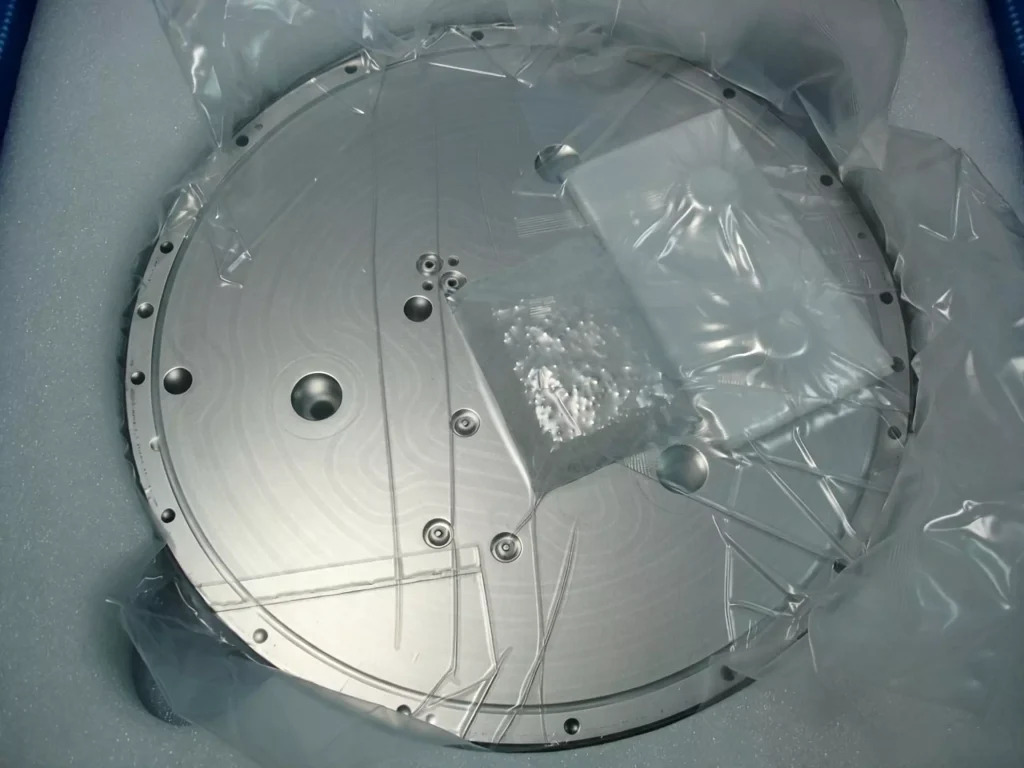
Semiconductor equipment components often require controlled part conditions beyond dimensional accuracy, especially for vacuum-related components and precision assemblies. Surface condition, machining residues, burrs, and contamination control can directly affect assembly fit, sealing performance, and equipment integration.
For semiconductor equipment parts, we control key manufacturing factors that influence final part condition, including burr removal, edge treatment, machining residue cleaning, coolant and oil residue control, and surface cleanliness requirements. These controls are applied based on part design, material characteristics, and customer specifications to ensure components are delivered in the required condition.
We support the manufacturing of vacuum components, precision assemblies, and other critical semiconductor equipment parts through controlled machining processes, post-machining treatment, and protective handling. This helps customers reduce additional cleaning, rework, and assembly adjustments caused by uncontrolled part conditions.
MS Machining
Why Choose MS Machining for Semiconductor Equipment CNC Machining
When selecting a CNC machining supplier for semiconductor equipment components, customers need more than a one-time part delivery. They need a manufacturing partner that can support product development, maintain production consistency, and meet long-term supply requirements.
From Prototype Development to Repeat Production
MS Machining supports semiconductor equipment components from Prototype Machining and Engineering Validation through Repeat Production. Whether developing new components or producing ongoing orders, we work according to part requirements, material specifications, and manufacturing requirements to maintain consistency throughout the production process.
Consistent Parts Across Production Runs
For semiconductor equipment components with repeat orders, batch-to-batch consistency is critical for efficient assembly and equipment integration. MS Machining maintains stable machining processes, inspection requirements, and production controls to achieve consistent part quality across multiple production runs.
Reliable Support for Long-Term Supply
As components move into continuous production, stable manufacturing and delivery performance become essential. MS Machining coordinates production planning and manufacturing schedules based on project requirements to support ongoing orders and long-term component supply.
Documentation for Supplier Qualification
Semiconductor equipment manufacturers often require clear quality records during supplier evaluation. MS Machining provides inspection reports, material certificates, and relevant manufacturing records according to project requirements to support supplier qualification, traceability, and internal quality procedures.
Semiconductor Equipment CNC Machining FAQs
Can you machine complex semiconductor equipment components based on customer drawings?
Yes. MS Machining manufactures custom CNC machined components according to customer drawings, specifications, and application requirements. We support complex parts including precision mechanical components, vacuum-related components, and assemblies requiring tight dimensional control.
Can you handle tight tolerances and critical alignment features?
Yes. For semiconductor equipment components with critical dimensions, alignment features, and precision interfaces, machining processes and inspection methods are planned according to part requirements to verify key characteristics.
How do you handle large aluminum components and parts with deformation risks?
For large aluminum parts and precision structures, machining stability is considered during process planning. Material condition, fixture methods, machining sequence, and inspection requirements are evaluated to maintain dimensional consistency after machining.
Can you support new component development before production?
Yes. MS Machining supports prototype machining and engineering validation for new semiconductor equipment components. We work from early-stage drawings and requirements to help customers verify manufacturability before moving into repeat production.
What information do you need to review a semiconductor equipment machining project?
To evaluate a project, we typically review part drawings, material requirements, tolerances, surface finish requirements, inspection requirements, and expected production quantities. This allows the manufacturing process and requirements to be evaluated before production.
Can you support vacuum components and parts requiring controlled surface conditions?
Yes. For vacuum-related components and precision assemblies, machining processes consider burr control, residue removal, surface requirements, and handling procedures according to customer specifications.
How do you ensure consistent quality for repeat orders?
For repeat production, MS Machining maintains consistent machining processes, inspection requirements, and production controls to ensure part quality remains stable across ongoing orders.
What quality documents can you provide with manufactured components?
Quality documentation can be provided according to project requirements, including inspection reports, material certificates, and manufacturing records to support supplier evaluation and traceability.