
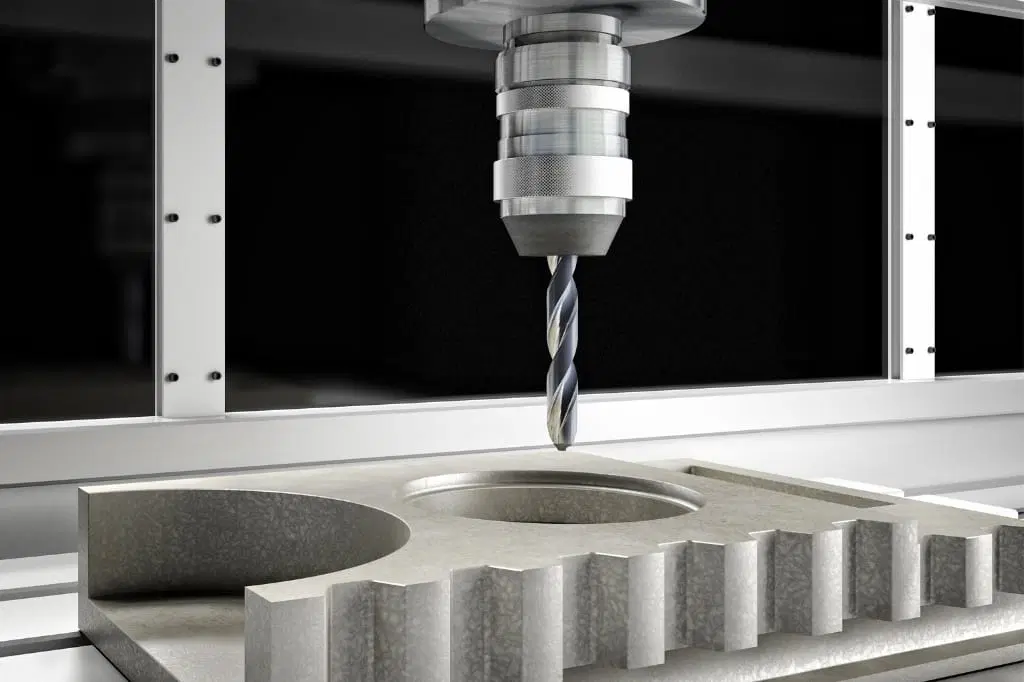
When exploring Usinagem CNC, one term that comes up early is CNC roughing. While often mentioned, its significance is sometimes underestimated. CNC roughing is a critical stage in manufacturing, focused on removing large amounts of material efficiently, preparing parts for precise finishing. In this article, we explain what CNC roughing is, how it operates, its techniques, and why it matters in multiple industries. We’ll also answer commonly searched questions like “What is roughing in CNC?”, “What is the difference between roughing and finishing CNC?”, “What is the roughness of 0.4 RA?”, e “What is the roughing process?”.
What Is Roughing in CNC?
CNC roughing is the process of removing the majority of excess material from a workpiece to approach the desired shape. Its main objective is remoção de material, not surface finish. Roughing prepares a part for the finishing stage, where precision and surface quality are refined.
To visualize, imagine sculpting a block of metal: roughing is like removing large sections to outline the basic form. The details and smooth surfaces are achieved later during finishing.
Roughing operations typically use larger, more robust tools, deeper cuts, and higher feed rates compared to finishing operations. It is commonly applied in milling and turning processes and is particularly important when machining metals such as aluminum, steel, magnésio, Invar, titânio, and even certain plásticos de engenharia.
The Role of CNC Roughing in Machining
Material Removal Efficiency
Roughing allows for quick removal of bulk material. Without it, finishing tools would be exposed to heavy cuts, which could reduce their lifespan and increase the risk of breakage.
Gestão de Temperatura
Removing large amounts of material with finishing tools can generate excessive heat. Roughing distributes the cutting load across more durable tools, reducing thermal stress on both the part and the machine.
Surface Preparation for Finishing
Roughing creates a controlled, predictable surface. While not smooth, this surface is suitable for finishing tools to achieve required tolerances and texture efficiently.
Tool Life Optimization
By using specialized roughing tools designed for higher engagement, the wear on finishing tools is minimized. This approach also reduces the frequency of tool changes, saving time and cost.
Techniques and Methods in CNC Roughing
Conventional vs High-Speed Roughing
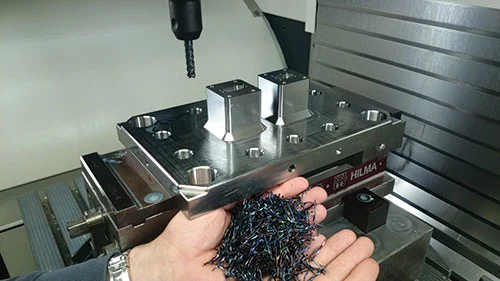
Conventional roughing involves deep cuts at slower speeds. High-speed roughing (HSR) takes shallower cuts but at higher spindle speeds and feed rates. HSR reduces heat accumulation, distributes cutting forces more evenly, and often results in faster cycle times, especially with hard-to-machine metals.
Trochoidal Milling
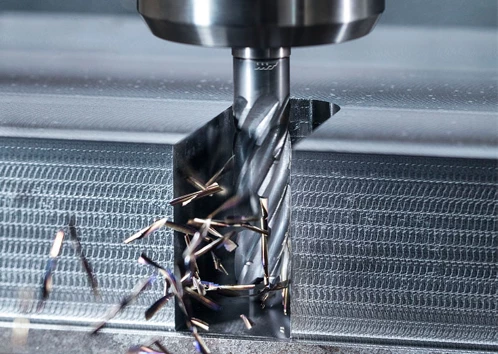
Trochoidal milling uses circular or looping toolpaths instead of straight cuts. This approach maintains a constant tool engagement angle, reducing heat generation, tool wear, and vibration. It is particularly effective for high-strength alloys like aço inoxidável and nickel-based alloys.
Step-Over and Step-Down Adjustments
- cURL Too many subrequests by single Worker invocation. To configure this limit, refer to https://developers.cloudflare.com/workers/wrangler/configuration/#limitscURL Too many subrequests by single Worker invocation. To configure this limit, refer to https://developers.cloudflare.com/workers/wrangler/configuration/#limits
- cURL Too many subrequests by single Worker invocation. To configure this limit, refer to https://developers.cloudflare.com/workers/wrangler/configuration/#limitscURL Too many subrequests by single Worker invocation. To configure this limit, refer to https://developers.cloudflare.com/workers/wrangler/configuration/#limits
cURL Too many subrequests by single Worker invocation. To configure this limit, refer to https://developers.cloudflare.com/workers/wrangler/configuration/#limits.
cURL Too many subrequests by single Worker invocation. To configure this limit, refer to https://developers.cloudflare.com/workers/wrangler/configuration/#limits
cURL Too many subrequests by single Worker invocation. To configure this limit, refer to https://developers.cloudflare.com/workers/wrangler/configuration/#limits.
cURL Too many subrequests by single Worker invocation. To configure this limit, refer to https://developers.cloudflare.com/workers/wrangler/configuration/#limits
cURL Too many subrequests by single Worker invocation. To configure this limit, refer to https://developers.cloudflare.com/workers/wrangler/configuration/#limits
cURL Too many subrequests by single Worker invocation. To configure this limit, refer to https://developers.cloudflare.com/workers/wrangler/configuration/#limits.
cURL Too many subrequests by single Worker invocation. To configure this limit, refer to https://developers.cloudflare.com/workers/wrangler/configuration/#limits
cURL Too many subrequests by single Worker invocation. To configure this limit, refer to https://developers.cloudflare.com/workers/wrangler/configuration/#limits.
cURL Too many subrequests by single Worker invocation. To configure this limit, refer to https://developers.cloudflare.com/workers/wrangler/configuration/#limits
cURL Too many subrequests by single Worker invocation. To configure this limit, refer to https://developers.cloudflare.com/workers/wrangler/configuration/#limits.
cURL Too many subrequests by single Worker invocation. To configure this limit, refer to https://developers.cloudflare.com/workers/wrangler/configuration/#limits
cURL Too many subrequests by single Worker invocation. To configure this limit, refer to https://developers.cloudflare.com/workers/wrangler/configuration/#limits.
cURL Too many subrequests by single Worker invocation. To configure this limit, refer to https://developers.cloudflare.com/workers/wrangler/configuration/#limits
cURL Too many subrequests by single Worker invocation. To configure this limit, refer to https://developers.cloudflare.com/workers/wrangler/configuration/#limits.
cURL Too many subrequests by single Worker invocation. To configure this limit, refer to https://developers.cloudflare.com/workers/wrangler/configuration/#limits
cURL Too many subrequests by single Worker invocation. To configure this limit, refer to https://developers.cloudflare.com/workers/wrangler/configuration/#limits cURL Too many subrequests by single Worker invocation. To configure this limit, refer to https://developers.cloudflare.com/workers/wrangler/configuration/#limits cURL Too many subrequests by single Worker invocation. To configure this limit, refer to https://developers.cloudflare.com/workers/wrangler/configuration/#limits cURL Too many subrequests by single Worker invocation. To configure this limit, refer to https://developers.cloudflare.com/workers/wrangler/configuration/#limits aeroespacial or cURL Too many subrequests by single Worker invocation. To configure this limit, refer to https://developers.cloudflare.com/workers/wrangler/configuration/#limits. cURL Too many subrequests by single Worker invocation. To configure this limit, refer to https://developers.cloudflare.com/workers/wrangler/configuration/#limits.
cURL Too many subrequests by single Worker invocation. To configure this limit, refer to https://developers.cloudflare.com/workers/wrangler/configuration/#limits
| cURL Too many subrequests by single Worker invocation. To configure this limit, refer to https://developers.cloudflare.com/workers/wrangler/configuration/#limits | cURL Too many subrequests by single Worker invocation. To configure this limit, refer to https://developers.cloudflare.com/workers/wrangler/configuration/#limits | Acabamento |
|---|---|---|
| Objetivo Principal | Remoção de material | cURL Too many subrequests by single Worker invocation. To configure this limit, refer to https://developers.cloudflare.com/workers/wrangler/configuration/#limits |
| cURL Too many subrequests by single Worker invocation. To configure this limit, refer to https://developers.cloudflare.com/workers/wrangler/configuration/#limits | cURL Too many subrequests by single Worker invocation. To configure this limit, refer to https://developers.cloudflare.com/workers/wrangler/configuration/#limits | cURL Too many subrequests by single Worker invocation. To configure this limit, refer to https://developers.cloudflare.com/workers/wrangler/configuration/#limits |
| cURL Too many subrequests by single Worker invocation. To configure this limit, refer to https://developers.cloudflare.com/workers/wrangler/configuration/#limits | cURL Too many subrequests by single Worker invocation. To configure this limit, refer to https://developers.cloudflare.com/workers/wrangler/configuration/#limits | cURL Too many subrequests by single Worker invocation. To configure this limit, refer to https://developers.cloudflare.com/workers/wrangler/configuration/#limits |
| Acabamento de Superfície | Áspero | Liso |
| cURL Too many subrequests by single Worker invocation. To configure this limit, refer to https://developers.cloudflare.com/workers/wrangler/configuration/#limits | cURL Too many subrequests by single Worker invocation. To configure this limit, refer to https://developers.cloudflare.com/workers/wrangler/configuration/#limits | Ajuste preciso |
cURL Too many subrequests by single Worker invocation. To configure this limit, refer to https://developers.cloudflare.com/workers/wrangler/configuration/#limits.
cURL Too many subrequests by single Worker invocation. To configure this limit, refer to https://developers.cloudflare.com/workers/wrangler/configuration/#limits
- cURL Too many subrequests by single Worker invocation. To configure this limit, refer to https://developers.cloudflare.com/workers/wrangler/configuration/#limits cURL Too many subrequests by single Worker invocation. To configure this limit, refer to https://developers.cloudflare.com/workers/wrangler/configuration/#limits.
- cURL Too many subrequests by single Worker invocation. To configure this limit, refer to https://developers.cloudflare.com/workers/wrangler/configuration/#limits cURL Too many subrequests by single Worker invocation. To configure this limit, refer to https://developers.cloudflare.com/workers/wrangler/configuration/#limits.
- Remoção de Cavacos: cURL Too many subrequests by single Worker invocation. To configure this limit, refer to https://developers.cloudflare.com/workers/wrangler/configuration/#limits.
- cURL Too many subrequests by single Worker invocation. To configure this limit, refer to https://developers.cloudflare.com/workers/wrangler/configuration/#limits Inefficient toolpaths or incorrect step-over/step-down parameters extend production time.
Advanced approaches include sensor-based monitoring, adaptive feeds, and dynamic milling strategies that adjust parameters on the fly.
Aplicações em Diversos Setores
- Aeroespacial: Turbine components, high-strength alloys
- Automotivo: Engine blocks, structural chassis components
- Dispositivos Médicos: Titanium implants, Invar fixtures
- Máquinas Industriais: Steel and aluminum parts with complex geometries
- Composite Materials: Semi-finished polymer parts
Recommendations for Efficient CNC Roughing
- Seleção de Ferramentas: Match tool geometry, coating, and material to workpiece properties.
- Cutting Parameters: Optimize feeds, speeds, and depths based on material and tool capability.
- Toolpath Planning: Use CAM-generated toolpaths that reduce engagement and air cutting.
- Process Monitoring: Track vibration, load, and tool condition to maintain consistent output.
Perguntas Frequentes
- Q: What is roughing in CNC?
A: The initial stage focused on removing bulk material efficiently. - Q: What is the difference between roughing and finishing CNC?
A: Roughing prioritizes speed and material removal; finishing prioritizes precision and surface quality. - Q: What does a roughness value of 0.4 RA indicate?
A: A very smooth surface suitable for precision components, often requiring semi-finishing or finishing passes to achieve. - Q: How should I choose tools for roughing?
A: Consider material hardness, tool geometry, coating, and machine capability. Carbide tools with protective coatings are common.
Conclusão
CNC roughing is a crucial stage that balances efficiency, tool longevity, and part geometry. Understanding its techniques, challenges, and differences from finishing allows manufacturers to optimize cycle times, reduce costs, and produce high-quality parts. By implementing thoughtful roughing strategies—such as adaptive toolpaths, proper coolant use, and controlled cutting parameters—machining operations become more predictable and efficient.