
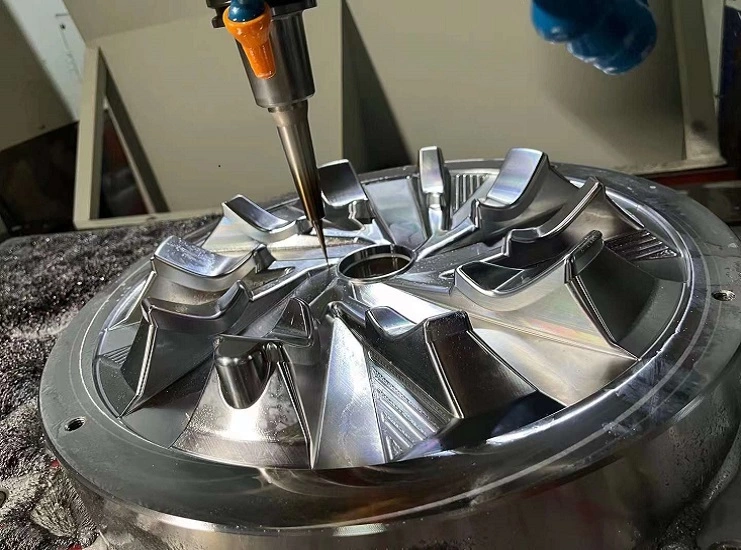
What Is Powder Coating and Where It Fits in CNC Surface Finishing
طلاء البودرة is a dry finishing process where electrostatically charged powder particles are applied to a metal surface and then cured under heat to form a durable coating layer. Compared with traditional liquid painting, it provides better coverage consistency, higher impact resistance, and improved environmental performance due to the absence of solvents.
In CNC machining, powder coating is typically considered alongside other metal surface finishing processes such as anodizing and electroplating. The key difference lies in how each process affects both surface performance and dimensional accuracy.
Powder coating forms a relatively thick layer on top of the material, while anodizing integrates into the surface of aluminum. This difference alone determines when each process should be used. In practice, powder coating is rarely chosen for precision—it is chosen for durability, protection, and visual consistency.
When to Use Powder Coating for CNC Parts (and When to Avoid It)
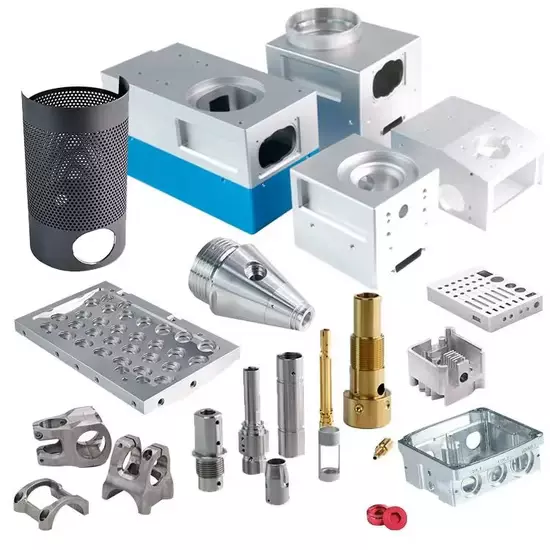
From an engineering standpoint, powder coating is not a universal solution. It works extremely well in certain scenarios, but can create problems if applied without considering part function.
It is generally a strong choice for parts exposed to outdoor environments or mechanical wear. For example, aluminum enclosures, brackets, and structural components benefit from its corrosion resistance and scratch durability. In projects destined for hot or high-UV regions, powder coating often provides more stable long-term performance than other finishes.
However, it becomes less suitable when dimensional precision is critical. Parts that rely on tight tolerances, sliding fits, or sealing surfaces are particularly sensitive to coating thickness. Even a relatively thin coating layer can introduce enough variation to affect assembly.
A common mistake is treating powder coating as a purely cosmetic decision. In reality, it is a functional layer that directly affects how parts fit and perform.
Material Compatibility and Surface Preparation Challenges
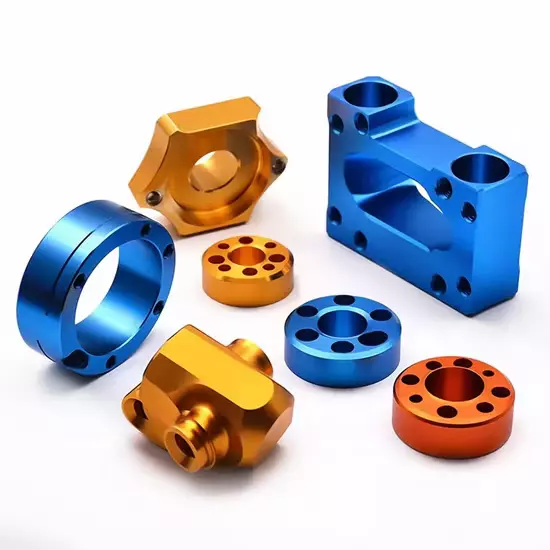
Although powder coating can be applied to a wide range of metals, the outcome depends heavily on how the surface is prepared beforehand.
Aluminum, especially alloys like 6061 and 6063, is widely used in التصنيع باستخدام الحاسب الآلي and responds well to powder coating. That said, it also presents challenges such as surface smoothness and potential outgassing during curing. Without proper pretreatment, adhesion issues can occur.
Steel, on the other hand, tends to achieve strong coating adhesion after mechanical surface preparation. Sandblasting creates the necessary surface roughness, allowing the coating to anchor effectively. However, if the coating is damaged, steel is more vulnerable to corrosion than aluminum.
Surface preparation is often underestimated, but in real production environments, it is one of the most critical steps. Inconsistent cleaning or insufficient pretreatment can lead to coating failure, even when the coating material itself is high quality.
A typical preparation process may include:
- Degreasing to remove oils and residues
- Mechanical roughening (such as sandblasting)
- Chemical pretreatment to improve bonding
In many cases, coating defects originate here rather than during the spraying or curing stages.
Powder Coating Thickness and Its Impact on CNC Machining Tolerances
One of the most important engineering considerations is how powder coating thickness interacts with machining tolerances.
In theory, coating thickness is specified within a certain range. In practice, however, it is not perfectly uniform. Variations occur due to geometry, spray conditions, and operator technique. Most CNC parts end up with a coating thickness somewhere in the middle of the standard range, but local deviations are common.
What matters is not just the thickness itself, but how it accumulates across features. Internal dimensions tend to shrink, while external dimensions grow. For parts that require precise fits, this can quickly lead to tolerance stack-up issues.
A simple example illustrates the problem. A hole designed with tight tolerance may no longer accept a mating component after coating, even though both parts were manufactured within specification.
To manage this, engineers typically rely on a combination of strategies:
- Masking critical areas such as threads and sealing surfaces
- Adjusting machining dimensions to compensate for coating
- Designing assemblies with additional clearance where possible
In more demanding applications, selective machining after coating may be used, although this increases cost and complexity.
How Electrostatic Powder Coating Works (and Why Geometry Matters)
Powder coating relies on electrostatic attraction to deposit particles evenly across a surface. While the concept is straightforward, the actual behavior during application is influenced heavily by part geometry.
When powder is sprayed, charged particles are drawn toward the grounded metal surface. Ideally, this results in uniform coverage. In reality, the distribution of the electric field creates uneven deposition in certain areas.
Deep recesses, internal corners, and complex geometries tend to receive less coating due to what is known as the Faraday cage effect. At the same time, sharp edges often attract excess powder, resulting in thicker buildup.
This means that coating quality is not determined solely by process control—it is also shaped by how the part is designed. Components with simple, open geometries are generally easier to coat consistently, while intricate designs require more careful handling and sometimes compromise.
Common Powder Coating Defects and Root Causes
Coating defects are not random. In most cases, they can be traced back to identifiable causes related to preparation, application, or curing.
Surface texture issues such as orange peel often result from improper curing conditions or powder flow characteristics. Small pinholes typically indicate contamination or trapped gases escaping during the curing process. Poor adhesion is almost always linked to insufficient surface preparation.
Uneven coating thickness, which is one of the most common issues in CNC parts, is often a combination of geometry and spray technique. Adjusting the angle, distance, or positioning of the part can significantly improve results.
Rather than viewing defects as isolated problems, it is more useful to see them as indicators of where the process or design needs adjustment.
Design for Powder Coating: Practical Engineering Guidelines
Design decisions have a direct impact on coating quality, sometimes more than the coating process itself.
Sharp internal corners should be minimized, as they tend to accumulate excess coating and create uneven surfaces. Similarly, features that are difficult to access during spraying may not receive adequate coverage.
Threads, bearing surfaces, and sealing interfaces should usually be protected through masking. Allowing coating to build up in these areas can compromise function and lead to assembly issues.
It is also important to consider how the part will be positioned during coating. Hanging points, drainage paths, and accessibility all influence the final result.
In practice, many coating-related problems originate at the design stage. Integrating coating considerations early—rather than treating them as an afterthought—leads to far more reliable outcomes.
Surface Finish Options: Balancing Aesthetics and Function
Powder coating offers a wide range of finishes, from smooth and glossy to textured and matte. While these options are often chosen for visual reasons, they can also affect performance.
Textured finishes, for example, are more effective at hiding surface imperfections, while smooth finishes provide a cleaner appearance but may reveal defects more easily. Gloss level influences not only appearance but also how the surface reflects light and shows wear over time.
Color selection is typically based on standardized systems, although custom colors are available for larger production runs. Maintaining consistency between batches can be challenging, especially when different production cycles are involved.
Ultimately, finish selection should balance aesthetic goals with functional requirements, rather than focusing on appearance alone.
Cost Factors in Powder Coating for CNC Parts
The cost of powder coating is influenced by several interconnected factors. It is not simply a matter of coating material or surface area.
Preparation is often one of the largest contributors to cost, particularly when parts require extensive cleaning or surface treatment. Masking also adds labor time, especially for parts with complex features or critical areas that must remain uncoated.
Batch size plays a significant role. Larger production runs benefit from efficiency and reduced setup costs, while small batches tend to be less economical.
Custom colors and rework further increase costs. In many cases, the hidden cost is not the coating itself, but the time and effort required to achieve consistent quality.
Cost Factors in Powder Coating for CNC Parts
The cost of powder coating is influenced by several interconnected factors. It is not simply a matter of coating material or surface area.
Preparation is often one of the largest contributors to cost, particularly when parts require extensive cleaning or surface treatment. Masking also adds labor time, especially for parts with complex features or critical areas that must remain uncoated.
Batch size plays a significant role. Larger production runs benefit from efficiency and reduced setup costs, while small batches tend to be less economical.
Custom colors and rework further increase costs. In many cases, the hidden cost is not the coating itself, but the time and effort required to achieve consistent quality.
Quality Control and Inspection in Powder Coating
Ensuring consistent coating quality requires systematic inspection at multiple stages.
Thickness is typically measured using specialized gauges, while adhesion is verified through standardized tests. Corrosion resistance may be evaluated using salt spray testing, particularly for parts intended for outdoor use.
Visual inspection remains important as well, especially for identifying surface defects or inconsistencies.
For projects involving international delivery, maintaining consistent inspection standards is essential to avoid quality disputes and ensure reliability across batches.
Quality Control and Inspection in Powder Coating
Ensuring consistent coating quality requires systematic inspection at multiple stages.
Thickness is typically measured using specialized gauges, while adhesion is verified through standardized tests. Corrosion resistance may be evaluated using salt spray testing, particularly for parts intended for outdoor use.
Visual inspection remains important as well, especially for identifying surface defects or inconsistencies.
For projects involving international delivery, maintaining consistent inspection standards is essential to avoid quality disputes and ensure reliability across batches.
Final Thoughts: Integrating Powder Coating into Engineering Decisions
Powder coating is a highly effective surface finishing method when applied with a clear understanding of its implications. It offers strong protection, durability, and aesthetic flexibility, but also introduces variables that must be managed carefully.
The most reliable results come from treating powder coating as part of the engineering process rather than a final step. By considering material compatibility, geometry, tolerance, and application requirements early on, it is possible to avoid many of the issues that arise later in production.
In practical terms, successful projects are those where design, machining, and finishing are aligned from the beginning—not adjusted after problems occur.
FAQ: Powder Coating for CNC Machined Parts
1. How does powder coating affect the dimensions and tolerances of CNC machined parts?
Powder coating adds thickness to all surfaces, typically between 60–120 microns. For CNC machined parts with tight tolerances, this can shrink holes, alter threads, and affect mating surfaces. Masking or secondary machining is recommended for critical features.
2. Can powder coating be applied to threaded holes and precision fit features on CNC parts?
Yes, but they must be masked before coating or machined after curing. Neglecting this can lead to assembly failures.
3. What is the recommended powder coating type for outdoor CNC aluminum parts exposed to UV and weather?
Polyester powders are ideal due to their UV stability and weather resistance. Epoxy powders, while durable, may degrade under prolonged sunlight.
3. What is the recommended powder coating type for outdoor أجزاء الألمنيوم CNC exposed to UV and weather?
Polyester powders are ideal due to their UV stability and weather resistance. Epoxy powders, while durable, may degrade under prolonged sunlight.
5. What are the common powder coating defects on CNC machined metal parts and their engineering causes?
- Orange peel: improper curing or powder flow
- Pinholes: trapped gases or contamination
- Poor adhesion: insufficient surface prep
Proper cleaning, pretreatment, and controlled curing reduce defects.
6. Is powder coating suitable for CNC steel parts used in outdoor or corrosive environments?
Yes, with proper surface prep (sandblasting, chemical treatment) powder coating provides excellent corrosion protection.