
What Is CNC Sheet Metal Forming?
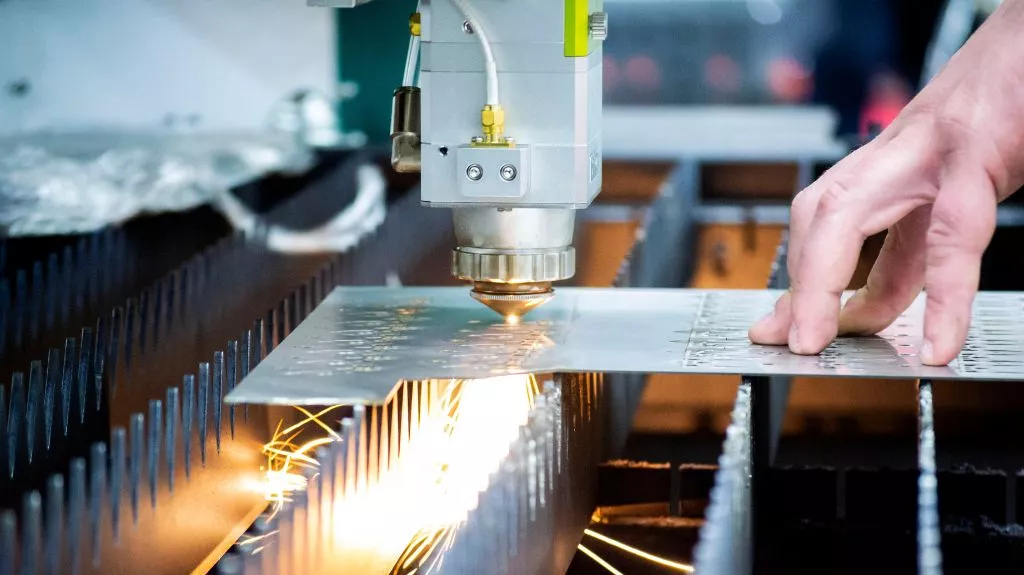
CNC sheet metal forming is a modern manufacturing process that uses computer numerical control (CNC) machines to bend, shape, and form metal sheets with high precision. Unlike manual forming, CNC sheet metal bending relies on programmable machines—such as press brakes and automated panel benders—that follow detailed instructions derived from CAD designs. This ensures consistent and repeatable results while handling complex geometries efficiently.
The typical workflow begins with a detailed CAD model, which is then translated into CNC code. This code controls the forming machines to execute precise bends, folds, or shapes according to the design specifications. Compared to traditional manual forming, CNC methods offer far greater accuracy and faster turnaround times. While CNC machining removes material to create parts, CNC sheet metal forming shapes the entire sheet, making the two processes often complementary.
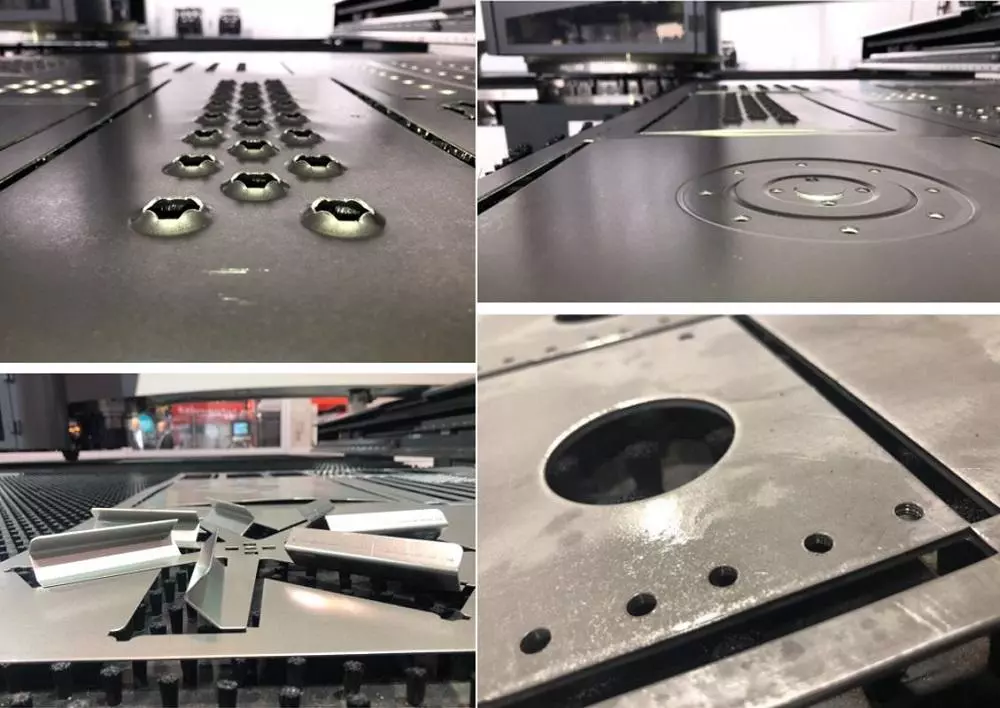
To enhance versatility, CNC sheet metal forming often integrates seamlessly with other fabrication steps like laser cutting and finishing. For example, a sheet may first be cut with a CNC laser cutter for detailed outlines before undergoing press brake forming to achieve the final three-dimensional structure. This combination streamlines production, improves tolerances, and supports complex custom sheet metal components.
At MS Machining, we utilize state-of-the-art CNC metal forming techniques to transform your CAD designs into precision metal parts efficiently. Whether it’s a prototype or full production run, CNC sheet metal forming delivers consistent quality and design flexibility that outperforms manual methods.
Key Techniques in CNC Sheet Metal Forming
CNC sheet metal forming uses several precise techniques to shape metal efficiently. One common method is press brake bending, perfect for creating complex forms and sharp bends with repeatability. For high-volume production, automated panel bending speeds up the process while maintaining consistent quality. When working on prototypes or freeform shapes, incremental or digital sheet forming offers flexibility by gradually shaping the metal without the need for dedicated tooling.
Tool materials and geometries are essential too. Tools must withstand high stress and resist wear, often made from hardened steel or specialized alloys to guarantee precision and longevity.
At MS Machining, we excel with advanced CNC forming capabilities combined with expert knowledge. Our integrated approach supports everything from tooling design to precise forming controls, ensuring consistent results across small runs or large-scale production. This expertise positions us as a reliable partner for custom sheet metal components crafted with tight CNC forming tolerances and optimal surface quality. For projects requiring machining and forming, we also offer seamless CNC machining and forming integration to streamline your workflow. Learn more about our outsourcing CNC machining services to optimize your production process.
Materials Commonly Used in CNC Sheet Metal Forming
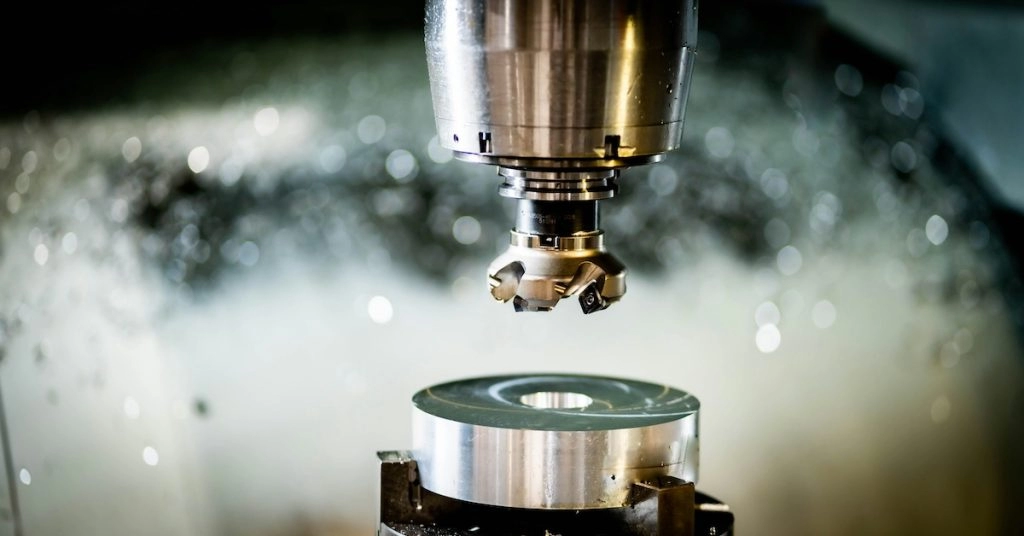
In CNC sheet metal forming, choosing the right material is key for achieving the desired strength, flexibility, and finish. The most popular metals include:
- Aluminum: Lightweight and corrosion-resistant, ideal for aerospace and electronics.
- Stainless steel: Strong, durable, and great for environments needing corrosion resistance.
- Carbon steel: Offers excellent strength and is cost-effective for many industrial parts.
- Copper and brass: Used for their electrical conductivity and decorative appeal.
These metals come in various gauges and thicknesses, allowing for versatility in design and application. When selecting material, it’s important to consider factors like ductility (how much a metal can bend without breaking) and springback (the metal’s tendency to return to its original shape after forming). Both impact the accuracy and quality of the final formed parts.
Designers must also keep these properties in mind: proper bend radii, allowances for springback, and gauge selection influence manufacturability and part performance. Understanding material behavior helps optimize CNC sheet metal forming workflows, whether dealing with complex bends or high-volume automated panel bending. For complex designs, pairing material knowledge with CNC machining capabilities ensures precision and efficiency.
For detailed insights on integrating laser cutting with forming, check out our guide to laser for CNC cutting.
Advantages of CNC Sheet Metal Forming Over Traditional Methods
CNC sheet metal forming offers clear benefits compared to manual forming and older techniques. Here’s why it’s the go-to choice for many manufacturers in the U.S.:
| Advantage | Benefit | Comparison |
|---|---|---|
| cURL Too many subrequests by single Worker invocation. To configure this limit, refer to https://developers.cloudflare.com/workers/wrangler/configuration/#limits | Consistent parts with tight CNC forming tolerances | Manual forming varies more, increasing errors |
| Faster Turnaround | Automated processes speed up production | Manual and traditional methods take longer |
| cURL Too many subrequests by single Worker invocation. To configure this limit, refer to https://developers.cloudflare.com/workers/wrangler/configuration/#limits | Best for low to medium volume runs | Expensive tooling and setup for stamping |
| cURL Too many subrequests by single Worker invocation. To configure this limit, refer to https://developers.cloudflare.com/workers/wrangler/configuration/#limits | Easily handle complex and customized shapes | Manual forming struggles with complex bends |
| Waste Reduction | Optimized material use cuts scrap rates | Traditional forming often produces more waste |
Using CNC forming with CNC machining allows seamless transition from forming to finishing, making it easier to create custom sheet metal components with high quality.
For example, companies that need precision metal forming combined with custom machining find a perfect match in CNC processes. This synergy reduces lead times and overall costs while improving part quality.
cURL Too many subrequests by single Worker invocation. To configure this limit, refer to https://developers.cloudflare.com/workers/wrangler/configuration/#limits precision metal forming complements CNC machining for top-notch sheet metal fabrication.
Ultimately, CNC sheet metal bending stands out by combining speed, accuracy, and flexibility—key for today’s competitive manufacturing environment.
Applications and Industry Use Cases of CNC Sheet Metal Forming
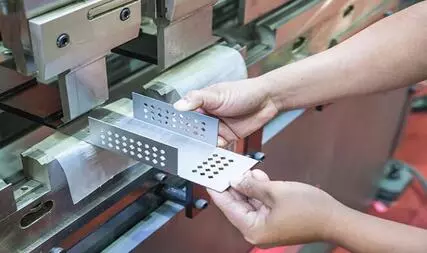
CNC sheet metal forming plays a vital role across various industries due to its precision and versatility. In cURL Too many subrequests by single Worker invocation. To configure this limit, refer to https://developers.cloudflare.com/workers/wrangler/configuration/#limits, it’s commonly used for fabricating durable enclosures and racks that protect sensitive components. The automotive industry relies on CNC sheet metal bending for producing strong yet lightweight brackets, panels, and mounting parts essential to vehicle assembly. Aerospace manufacturers depend on these techniques to create lightweight, high-strength components that meet strict weight and safety standards. In industrial equipment, CNC-formed metal frames, guards, and enclosures provide robust protection and structural integrity.
cURL Too many subrequests by single Worker invocation. To configure this limit, refer to https://developers.cloudflare.com/workers/wrangler/configuration/#limits medical sector benefits from custom sheet metal components that meet rigorous hygiene and durability requirements, while household appliances often use CNC-formed parts to ensure accuracy and finish quality. Throughout these applications, MS Machining supports clients with integrated design assistance, helping align the sheet metal fabrication process with project goals and machining capabilities. This seamless support enhances manufacturability and reduces time to market while maintaining high standards of precision.
For projects requiring integration with other processes, MS Machining offers comprehensive solutions blending CNC machining and forming integration, ensuring complex parts are delivered with tight tolerances and smooth finishes. Explore how our cURL Too many subrequests by single Worker invocation. To configure this limit, refer to https://developers.cloudflare.com/workers/wrangler/configuration/#limits complement sheet metal forming to optimize your production workflows.
Design Considerations and Best Practices for CNC Sheet Metal Forming
When designing for CNC sheet metal forming, following proven DFM (Design for Manufacturability) tips ensures your parts come out right the first time. Key factors to keep in mind include:
- Bend Radii: Use proper bend radii to prevent cracking and reduce material stress. Typically, the bend radius should be at least equal to the sheet metal thickness.
- K-Factors: Apply accurate K-factors in your bend calculations. This ratio, which relates bend allowance to material thickness, helps predict how the metal will form and spring back.
- Hole Placement: Position holes and cutouts at a safe distance from bends to avoid deformation; generally, avoid placing holes too close to bend lines.
- Material Grain Direction: Align the bend direction with the grain for better formability and less risk of cracking.
- Springback Management: Design for the natural springback of metals by compensating bends in your CAD model. This prevents dimensional inaccuracies.
- CAD Standards: Use precise CAD models with proper layer management and tolerance specifications to streamline CNC programming and sheet metal fabrication.
- Early Collaborations: Engage fabricators early in the design process to tap into their expertise, optimize manufacturability, and reduce costly redesigns.
- Integrating Forming with CNC Machining: Combine forming with CNC machining operations like cutting or tapping in the workflow to improve efficiency and product quality.
By paying attention to these details, you ensure smooth CNC sheet metal bending and forming processes that save time and lower costs. For even better results, check out expert tips on how to improve CNC machining accuracy and surface finishes from MS Machining to complement your sheet metal forming projects.
CNC Sheet Metal Forming vs. Other Manufacturing Processes
When deciding on the best approach for your metal parts, it helps to compare CNC sheet metal forming with other methods like traditional forming, CNC machining, and stamping. Each has its strengths depending on design complexity, volume, and material.
| Process | cURL Too many subrequests by single Worker invocation. To configure this limit, refer to https://developers.cloudflare.com/workers/wrangler/configuration/#limits | Ideal Use Cases | cURL Too many subrequests by single Worker invocation. To configure this limit, refer to https://developers.cloudflare.com/workers/wrangler/configuration/#limits |
|---|---|---|---|
| CNC Sheet Metal Forming | High precision, repeatability, design flexibility | Complex bends, medium volumes, custom components | Speed lower than stamping for very high volumes |
| Traditional Forming | Lower cost for simple shapes, less equipment needed | Simple bends, low-tech shops | Less precise, manual labor-intensive |
| CNC Machining | Detailed cuts, tight tolerances, 3D shaping | Intricate designs, prototypes | Material waste, slower on large panels |
| Stamping | Ultra-fast production, low unit cost in high volume | Mass production, simple parts | High tooling cost, less flexible |
Process Selection Tips
- Choose CNC sheet metal forming when you need precision bends with quick turnaround and moderate quantities.
- Opt for CNC machining to add detailed features or integrate forming and machining in one workflow.
- Go with stamping for very high volumes where speed and unit cost dominate.
- Combine methods strategically — like laser cutting plus forming — to optimize costs and quality.
At MS Machining, we offer a seamless blend of CNC sheet metal forming and precision machining services, making us a one-stop solution. This integration means better coordination, consistent quality, and faster time to market for your custom sheet metal components.
cURL Too many subrequests by single Worker invocation. To configure this limit, refer to https://developers.cloudflare.com/workers/wrangler/configuration/#limits precision CNC components and metal forming options fit your project needs, ensuring the right process every time.
How MS Machining Delivers Superior CNC Sheet Metal Forming Services
At MS Machining, we combine state-of-the-art CNC sheet metal forming equipment with an expert team dedicated to precision metal forming. Our advanced press brake and automated panel bending systems, paired with digital sheet metal forming capabilities, allow us to handle everything from prototypes to large production runs with unmatched accuracy and consistency.
We provide full-service support throughout the entire sheet metal fabrication process. From initial CAD design collaboration to integration of finishing techniques like laser cutting and surface treatments, our process controls ensure every part meets your specifications and quality standards. We also help optimize design for manufacturability to reduce waste and improve turnaround times.
Our quality assurance protocols guarantee that each custom sheet metal component delivers on both form and function, making MS Machining a reliable one-stop solution for your CNC sheet metal bending and forming needs. Whether you require precision enclosures, brackets, or complex assemblies, we scale efficiently from prototyping to volume production.
Partner with MS Machining to experience expert craftsmanship and seamless CNC machining and forming integration for your next sheet metal project. Learn more about our material options and precision capabilities in our detailed CNC precision machined parts guide.