
Introduction: Why Precision Machined Parts Are Important
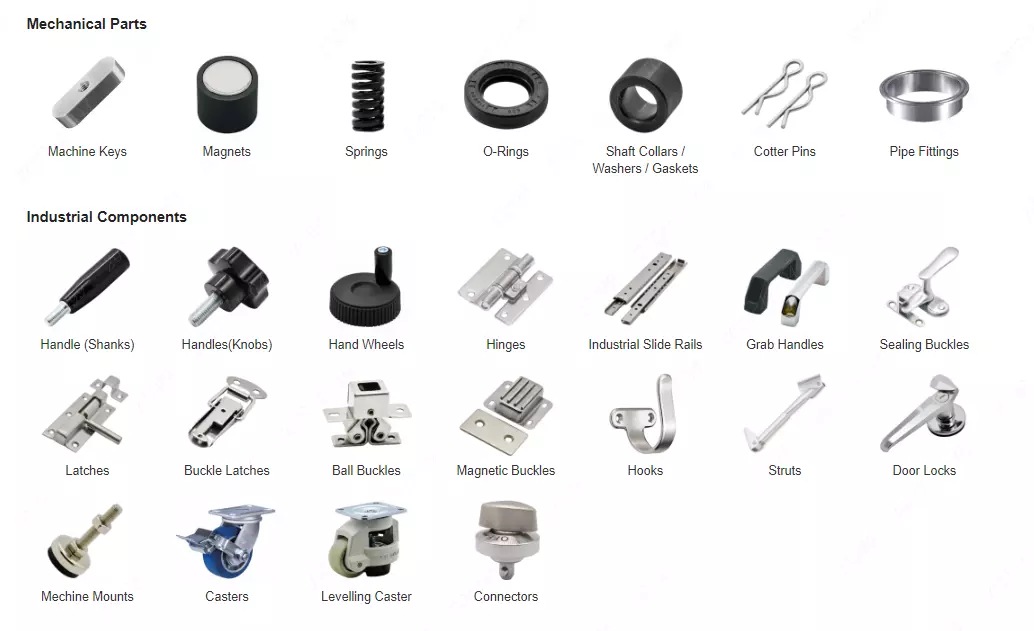
Precision mechanical parts are the backbone of many advanced industries today, including aerospace, automation, robotics, and medical equipment. These components are manufactured to exact specifications, ensuring dimensional accuracy and consistent quality. This level of precision is critical because even the slightest variation in size or shape can lead to product failure or decreased performance. In highly demanding applications, such as aircraft assemblies or surgical instruments, reliability depends on the stringent tolerances and repeatability of these parts. By maintaining tight control over dimensions and surface finishes, precision machined parts guarantee that machines and devices operate smoothly, safely, and efficiently. As a result, industries across the United States continue to rely heavily on precision machining to meet their quality and performance standards.
What Are Precision Machined Parts?
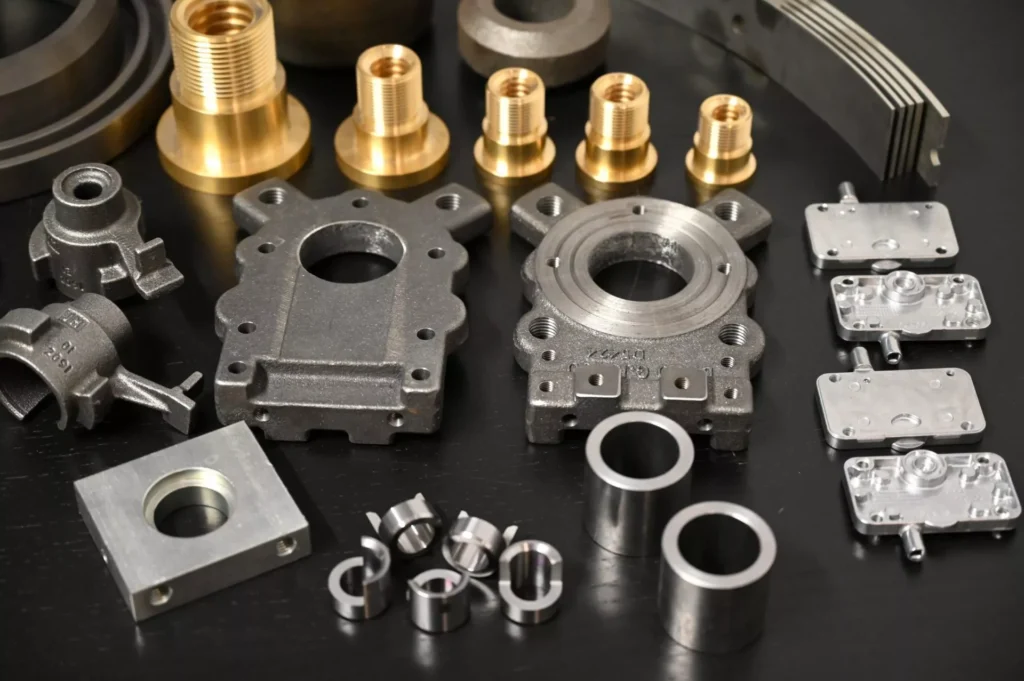
Precision machined parts are components made with extremely tight tolerances using advanced machining processes. These parts are crafted to exact specifications, ensuring every dimension, angle, and surface finish meets strict requirements. Unlike standard machined pieces, precision mechanical parts deliver consistent performance and fit perfectly in assemblies where reliability matters.
These parts are found in industries like aerospace, automotive, medical devices, and robotics, where small deviations can lead to system failures or safety risks. Precision machining involves cutting, shaping, and finishing metals or plastics using computer-controlled tools, guaranteeing repeatability and accuracy.
Because of their critical roles, precision machined parts often demand high-quality materials and sophisticated manufacturing methods. For manufacturers, understanding these demands means investing in technology and expertise to produce parts that maintain standards throughout their life cycle. For example, choosing the right CNC fixtures during production ensures parts stay stable and consistent, which you can explore more about in resources on CNC fixtures.
Accuracy vs Precision in Machining
In manufacturing, especially when producing precision mechanical parts, understanding the difference between accuracy and precision is crucial. Accuracy refers to how close a part’s dimensions are to the intended target or design specs. If a part is accurate, it means it meets the exact measurements required for proper function. On the other hand, precision is about consistency—how repeatable the measurements are when producing multiple parts. High precision means you can make many parts with very little variation between them.
Both accuracy and precision impact product quality and how well parts fit together during assembly. If dimensions aren’t accurate, parts might not work as intended or could cause failures down the line. Without precision, even if the first part is accurate, subsequent parts might vary and cause assembly issues or reduce reliability. That’s why top-quality precision mechanical parts combine both — precise repeatability and accurate dimensions — to ensure performance, reliability, and ease of manufacturing. For industries like aerospace or medical equipment, getting this balance right is non-negotiable. For more detailed processes, you can check out how CNC precision machining parts are produced with these principles in mind.
Characteristics of High-Precision Machined Components
High-precision mechanical parts stand out because of several key features that ensure their reliability and performance. First, cURL Too many subrequests by single Worker invocation. To configure this limit, refer to https://developers.cloudflare.com/workers/wrangler/configuration/#limits are crucial—they mean the dimensions are controlled to very exact limits, often within microns. This precision helps parts fit together perfectly in assemblies, preventing issues like excessive wear or failure.
Next is repeatability, which means each part produced matches the specified dimensions consistently across large production runs. This consistency is essential for industries in the U.S. where product reliability and interchangeability are non-negotiable.
Dimensional stability ensures that parts maintain their size and shape even under stress, temperature changes, or over time. Materials and machining processes are selected carefully to guarantee stability, so components don’t warp or shift once in use.
Finally, surface quality is another hallmark. A smooth, defect-free surface reduces friction, improves part lifespan, and enhances the overall function, especially in demanding applications like aerospace or medical devices.
By focusing on these characteristics, precision mechanical parts deliver the dependable performance modern industries require. For more on how machining processes achieve this, check out our detailed overview of precision CNC lathe machines and their role in producing high-quality components.
How Precision Machined Parts Are Manufactured
Precision mechanical parts are made using highly controlled manufacturing processes that focus on exact dimensions and consistent quality. The process starts with a detailed design based on the part’s function and required tolerances. From there, skilled machinists and engineers select the right materials and machining methods.
Machining involves cutting, shaping, and finishing the raw material—usually metal or engineering plastic—using computer-controlled machinery. These machines follow precise instructions programmed from CAD (computer-aided design) files to ensure every part meets exact specifications. The goal is to deliver parts that fit perfectly and perform reliably in their applications.
Throughout manufacturing, close attention is paid to tool selection, machine calibration, and setup to maintain dimensional accuracy. Multiple steps often include rough machining to remove bulk material, followed by fine machining and finishing to meet tight tolerances. After machining, parts undergo inspection and quality checks to confirm they meet all requirements before shipping.
This controlled manufacturing approach is essential to producing high-quality precision mechanical parts that serve industries such as aerospace, medical devices, and robotics with consistent reliability and performance. For specialized operations, companies may use dedicated services like advanced CNC machining services for precision parts or cURL Too many subrequests by single Worker invocation. To configure this limit, refer to https://developers.cloudflare.com/workers/wrangler/configuration/#limits to meet complex specifications.
CNC Machining Processes Used for Precision Parts
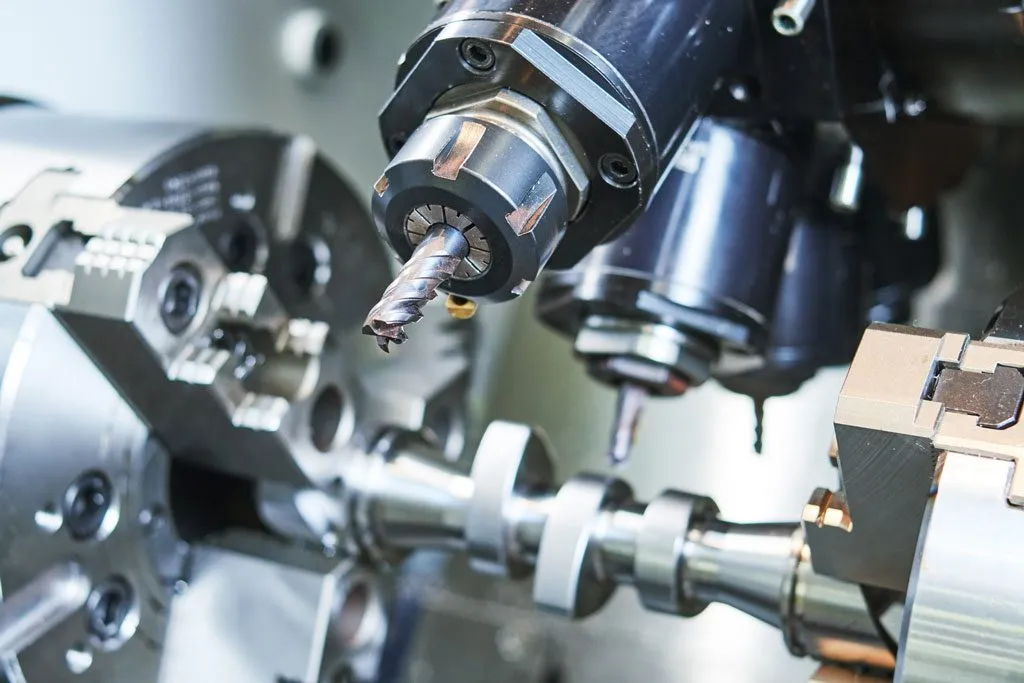
Precision mechanical parts are typically made using advanced CNC machining processes that ensure tight tolerances and consistent quality. The most common methods include CNC milling, where rotary cutters remove material to shape components, and CNC turning, which rotates the workpiece against a cutting tool to create cylindrical parts. For more complex geometries and tighter precision, multi-axis machining is widely used. This process allows tools to move in several directions, providing greater flexibility and accuracy, essential for intricate parts. Precision grinding is another key process for achieving ultra-smooth surfaces and exact dimensions, often used for finishing parts that demand the highest standards. Each of these processes plays a critical role in producing reliable precision mechanical parts tailored to meet stringent industry demands like aerospace and medical sectors. For specialized applications, advanced setups like 5-axis CNC machines offer even more control and precision, as detailed in this guide to the best 5-axis CNC machines.
cURL Too many subrequests by single Worker invocation. To configure this limit, refer to https://developers.cloudflare.com/workers/wrangler/configuration/#limits
cURL Too many subrequests by single Worker invocation. To configure this limit, refer to https://developers.cloudflare.com/workers/wrangler/configuration/#limits.
cURL Too many subrequests by single Worker invocation. To configure this limit, refer to https://developers.cloudflare.com/workers/wrangler/configuration/#limits.
cURL Too many subrequests by single Worker invocation. To configure this limit, refer to https://developers.cloudflare.com/workers/wrangler/configuration/#limits cURL Too many subrequests by single Worker invocation. To configure this limit, refer to https://developers.cloudflare.com/workers/wrangler/configuration/#limits cURL Too many subrequests by single Worker invocation. To configure this limit, refer to https://developers.cloudflare.com/workers/wrangler/configuration/#limits cURL Too many subrequests by single Worker invocation. To configure this limit, refer to https://developers.cloudflare.com/workers/wrangler/configuration/#limits cURL Too many subrequests by single Worker invocation. To configure this limit, refer to https://developers.cloudflare.com/workers/wrangler/configuration/#limits.
cURL Too many subrequests by single Worker invocation. To configure this limit, refer to https://developers.cloudflare.com/workers/wrangler/configuration/#limits
cURL Too many subrequests by single Worker invocation. To configure this limit, refer to https://developers.cloudflare.com/workers/wrangler/configuration/#limits.
cURL Too many subrequests by single Worker invocation. To configure this limit, refer to https://developers.cloudflare.com/workers/wrangler/configuration/#limits
- cURL Too many subrequests by single Worker invocation. To configure this limit, refer to https://developers.cloudflare.com/workers/wrangler/configuration/#limits cURL Too many subrequests by single Worker invocation. To configure this limit, refer to https://developers.cloudflare.com/workers/wrangler/configuration/#limits.
- cURL Too many subrequests by single Worker invocation. To configure this limit, refer to https://developers.cloudflare.com/workers/wrangler/configuration/#limits cURL Too many subrequests by single Worker invocation. To configure this limit, refer to https://developers.cloudflare.com/workers/wrangler/configuration/#limits.
- cURL Too many subrequests by single Worker invocation. To configure this limit, refer to https://developers.cloudflare.com/workers/wrangler/configuration/#limits cURL Too many subrequests by single Worker invocation. To configure this limit, refer to https://developers.cloudflare.com/workers/wrangler/configuration/#limits.
- cURL Too many subrequests by single Worker invocation. To configure this limit, refer to https://developers.cloudflare.com/workers/wrangler/configuration/#limits cURL Too many subrequests by single Worker invocation. To configure this limit, refer to https://developers.cloudflare.com/workers/wrangler/configuration/#limits.
- cURL Too many subrequests by single Worker invocation. To configure this limit, refer to https://developers.cloudflare.com/workers/wrangler/configuration/#limits cURL Too many subrequests by single Worker invocation. To configure this limit, refer to https://developers.cloudflare.com/workers/wrangler/configuration/#limits.
cURL Too many subrequests by single Worker invocation. To configure this limit, refer to https://developers.cloudflare.com/workers/wrangler/configuration/#limits CNC precision engineering cURL Too many subrequests by single Worker invocation. To configure this limit, refer to https://developers.cloudflare.com/workers/wrangler/configuration/#limits.
cURL Too many subrequests by single Worker invocation. To configure this limit, refer to https://developers.cloudflare.com/workers/wrangler/configuration/#limits
cURL Too many subrequests by single Worker invocation. To configure this limit, refer to https://developers.cloudflare.com/workers/wrangler/configuration/#limits.
-
cURL Too many subrequests by single Worker invocation. To configure this limit, refer to https://developers.cloudflare.com/workers/wrangler/configuration/#limits cURL Too many subrequests by single Worker invocation. To configure this limit, refer to https://developers.cloudflare.com/workers/wrangler/configuration/#limits.
-
cURL Too many subrequests by single Worker invocation. To configure this limit, refer to https://developers.cloudflare.com/workers/wrangler/configuration/#limits cURL Too many subrequests by single Worker invocation. To configure this limit, refer to https://developers.cloudflare.com/workers/wrangler/configuration/#limits.
-
cURL Too many subrequests by single Worker invocation. To configure this limit, refer to https://developers.cloudflare.com/workers/wrangler/configuration/#limits cURL Too many subrequests by single Worker invocation. To configure this limit, refer to https://developers.cloudflare.com/workers/wrangler/configuration/#limits.
-
cURL Too many subrequests by single Worker invocation. To configure this limit, refer to https://developers.cloudflare.com/workers/wrangler/configuration/#limits cURL Too many subrequests by single Worker invocation. To configure this limit, refer to https://developers.cloudflare.com/workers/wrangler/configuration/#limits.
cURL Too many subrequests by single Worker invocation. To configure this limit, refer to https://developers.cloudflare.com/workers/wrangler/configuration/#limits.
cURL Too many subrequests by single Worker invocation. To configure this limit, refer to https://developers.cloudflare.com/workers/wrangler/configuration/#limits
cURL Too many subrequests by single Worker invocation. To configure this limit, refer to https://developers.cloudflare.com/workers/wrangler/configuration/#limits.
cURL Too many subrequests by single Worker invocation. To configure this limit, refer to https://developers.cloudflare.com/workers/wrangler/configuration/#limits.
cURL Too many subrequests by single Worker invocation. To configure this limit, refer to https://developers.cloudflare.com/workers/wrangler/configuration/#limits cURL Too many subrequests by single Worker invocation. To configure this limit, refer to https://developers.cloudflare.com/workers/wrangler/configuration/#limits or cURL Too many subrequests by single Worker invocation. To configure this limit, refer to https://developers.cloudflare.com/workers/wrangler/configuration/#limits, cURL Too many subrequests by single Worker invocation. To configure this limit, refer to https://developers.cloudflare.com/workers/wrangler/configuration/#limits.
cURL Too many subrequests by single Worker invocation. To configure this limit, refer to https://developers.cloudflare.com/workers/wrangler/configuration/#limits
cURL Too many subrequests by single Worker invocation. To configure this limit, refer to https://developers.cloudflare.com/workers/wrangler/configuration/#limits.
cURL Too many subrequests by single Worker invocation. To configure this limit, refer to https://developers.cloudflare.com/workers/wrangler/configuration/#limits
| cURL Too many subrequests by single Worker invocation. To configure this limit, refer to https://developers.cloudflare.com/workers/wrangler/configuration/#limits | cURL Too many subrequests by single Worker invocation. To configure this limit, refer to https://developers.cloudflare.com/workers/wrangler/configuration/#limits | Common Materials |
|---|---|---|
| cURL Too many subrequests by single Worker invocation. To configure this limit, refer to https://developers.cloudflare.com/workers/wrangler/configuration/#limits | cURL Too many subrequests by single Worker invocation. To configure this limit, refer to https://developers.cloudflare.com/workers/wrangler/configuration/#limits | Carbide with coatings |
| HSS Drills | Drilling lighter alloys and plastics | High-speed steel |
| Diamond Tools | Ultra-fine finish and non-metals | Diamond-coated |
Important Machining Parameters:
| cURL Too many subrequests by single Worker invocation. To configure this limit, refer to https://developers.cloudflare.com/workers/wrangler/configuration/#limits | Effect on Precision |
|---|---|
| Spindle Speed (RPM) | Controls surface finish quality |
| Feed Rate | Impacts tool life and dimensional control |
| Depth of Cut | Influences cutting forces and accuracy |
| Coolant Usage | Reduces heat, preserves tool life, prevents workpiece distortion |
Optimizing cutting tools and machining parameters helps produce consistent precision mechanical parts with tight tolerances. For example, tools used in custom CNC machining settings are selected and adjusted carefully to prevent tool deflection and maintain repeatability.
In the U.S. market, where reliability is crucial, balancing speed, tool wear, and precision is key to cost-effective production without sacrificing quality.
Workholding and Fixturing
Workholding and fixturing play a critical role in producing precision mechanical parts. These systems secure the material firmly during machining to prevent any movement that could impact dimensional accuracy and surface finish. Proper fixturing helps maintain consistent positioning, which is essential for repeatability and tight tolerances.
High-quality fixtures reduce vibration and tool deflection, factors that directly influence machining precision. Custom fixtures are often designed to fit complex parts, ensuring every angle is accessible while keeping the part stable. Using modular fixturing systems can also speed up production by simplifying setup changes without sacrificing accuracy.
In short, effective workholding and fixturing ensure that precision mechanical parts meet strict quality standards, improving overall reliability and performance in demanding applications.
Environmental Conditions and Temperature Control
Maintaining stable environmental conditions is critical for producing precision mechanical parts. Even small temperature fluctuations can cause metals and plastics to expand or contract, leading to dimensional changes that throw off tight tolerances. That’s why many shops control humidity and temperature within strict limits to ensure consistent machining results.
Temperature control helps keep both the machine tools and workpieces stable during the cutting process. For example, advanced CNC machines often include built-in cooling systems or are operated in climate-controlled rooms to minimize thermal distortion. This stability is especially important when machining materials like aluminum alloys or titanium, which are sensitive to heat.
In short, controlling the environment reduces measurement variations and improves repeatability, ensuring the consistent quality and accuracy that precision mechanical parts demand. This focus on environmental factors works hand-in-hand with other precision machining best practices to maximize product reliability and performance.
Quality Control for Precision Machined Parts
Quality control is crucial when it comes to precision mechanical parts. These components must meet exact specifications to perform reliably, especially in critical fields like aerospace and medical devices. Consistent inspection and testing ensure every part is made to the tight tolerances required.
Implementing a robust quality control program typically involves multiple steps:
- Incoming material checks to verify raw materials meet standards.
- In-process inspections during machining to catch issues early.
- cURL Too many subrequests by single Worker invocation. To configure this limit, refer to https://developers.cloudflare.com/workers/wrangler/configuration/#limits cURL Too many subrequests by single Worker invocation. To configure this limit, refer to https://developers.cloudflare.com/workers/wrangler/configuration/#limits.
- cURL Too many subrequests by single Worker invocation. To configure this limit, refer to https://developers.cloudflare.com/workers/wrangler/configuration/#limits cURL Too many subrequests by single Worker invocation. To configure this limit, refer to https://developers.cloudflare.com/workers/wrangler/configuration/#limits.
cURL Too many subrequests by single Worker invocation. To configure this limit, refer to https://developers.cloudflare.com/workers/wrangler/configuration/#limits.
cURL Too many subrequests by single Worker invocation. To configure this limit, refer to https://developers.cloudflare.com/workers/wrangler/configuration/#limits.
cURL Too many subrequests by single Worker invocation. To configure this limit, refer to https://developers.cloudflare.com/workers/wrangler/configuration/#limits cURL Too many subrequests by single Worker invocation. To configure this limit, refer to https://developers.cloudflare.com/workers/wrangler/configuration/#limits.
cURL Too many subrequests by single Worker invocation. To configure this limit, refer to https://developers.cloudflare.com/workers/wrangler/configuration/#limits
cURL Too many subrequests by single Worker invocation. To configure this limit, refer to https://developers.cloudflare.com/workers/wrangler/configuration/#limits.
cURL Too many subrequests by single Worker invocation. To configure this limit, refer to https://developers.cloudflare.com/workers/wrangler/configuration/#limits
cURL Too many subrequests by single Worker invocation. To configure this limit, refer to https://developers.cloudflare.com/workers/wrangler/configuration/#limits.
cURL Too many subrequests by single Worker invocation. To configure this limit, refer to https://developers.cloudflare.com/workers/wrangler/configuration/#limits.
cURL Too many subrequests by single Worker invocation. To configure this limit, refer to https://developers.cloudflare.com/workers/wrangler/configuration/#limits.
cURL Too many subrequests by single Worker invocation. To configure this limit, refer to https://developers.cloudflare.com/workers/wrangler/configuration/#limits
cURL Too many subrequests by single Worker invocation. To configure this limit, refer to https://developers.cloudflare.com/workers/wrangler/configuration/#limits.
cURL Too many subrequests by single Worker invocation. To configure this limit, refer to https://developers.cloudflare.com/workers/wrangler/configuration/#limits.
cURL Too many subrequests by single Worker invocation. To configure this limit, refer to https://developers.cloudflare.com/workers/wrangler/configuration/#limits.
cURL Too many subrequests by single Worker invocation. To configure this limit, refer to https://developers.cloudflare.com/workers/wrangler/configuration/#limits.
cURL Too many subrequests by single Worker invocation. To configure this limit, refer to https://developers.cloudflare.com/workers/wrangler/configuration/#limits
cURL Too many subrequests by single Worker invocation. To configure this limit, refer to https://developers.cloudflare.com/workers/wrangler/configuration/#limits.
cURL Too many subrequests by single Worker invocation. To configure this limit, refer to https://developers.cloudflare.com/workers/wrangler/configuration/#limits.
cURL Too many subrequests by single Worker invocation. To configure this limit, refer to https://developers.cloudflare.com/workers/wrangler/configuration/#limits CNC machining metal cURL Too many subrequests by single Worker invocation. To configure this limit, refer to https://developers.cloudflare.com/workers/wrangler/configuration/#limits.
cURL Too many subrequests by single Worker invocation. To configure this limit, refer to https://developers.cloudflare.com/workers/wrangler/configuration/#limits
cURL Too many subrequests by single Worker invocation. To configure this limit, refer to https://developers.cloudflare.com/workers/wrangler/configuration/#limits.
cURL Too many subrequests by single Worker invocation. To configure this limit, refer to https://developers.cloudflare.com/workers/wrangler/configuration/#limits.
cURL Too many subrequests by single Worker invocation. To configure this limit, refer to https://developers.cloudflare.com/workers/wrangler/configuration/#limits cURL Too many subrequests by single Worker invocation. To configure this limit, refer to https://developers.cloudflare.com/workers/wrangler/configuration/#limits.
cURL Too many subrequests by single Worker invocation. To configure this limit, refer to https://developers.cloudflare.com/workers/wrangler/configuration/#limits.
cURL Too many subrequests by single Worker invocation. To configure this limit, refer to https://developers.cloudflare.com/workers/wrangler/configuration/#limits
cURL Too many subrequests by single Worker invocation. To configure this limit, refer to https://developers.cloudflare.com/workers/wrangler/configuration/#limits.
cURL Too many subrequests by single Worker invocation. To configure this limit, refer to https://developers.cloudflare.com/workers/wrangler/configuration/#limits.
cURL Too many subrequests by single Worker invocation. To configure this limit, refer to https://developers.cloudflare.com/workers/wrangler/configuration/#limits cURL Too many subrequests by single Worker invocation. To configure this limit, refer to https://developers.cloudflare.com/workers/wrangler/configuration/#limits.
cURL Too many subrequests by single Worker invocation. To configure this limit, refer to https://developers.cloudflare.com/workers/wrangler/configuration/#limits
cURL Too many subrequests by single Worker invocation. To configure this limit, refer to https://developers.cloudflare.com/workers/wrangler/configuration/#limits.
cURL Too many subrequests by single Worker invocation. To configure this limit, refer to https://developers.cloudflare.com/workers/wrangler/configuration/#limits.
cURL Too many subrequests by single Worker invocation. To configure this limit, refer to https://developers.cloudflare.com/workers/wrangler/configuration/#limits.
cURL Too many subrequests by single Worker invocation. To configure this limit, refer to https://developers.cloudflare.com/workers/wrangler/configuration/#limits
cURL Too many subrequests by single Worker invocation. To configure this limit, refer to https://developers.cloudflare.com/workers/wrangler/configuration/#limits
-
cURL Too many subrequests by single Worker invocation. To configure this limit, refer to https://developers.cloudflare.com/workers/wrangler/configuration/#limitscURL Too many subrequests by single Worker invocation. To configure this limit, refer to https://developers.cloudflare.com/workers/wrangler/configuration/#limits.
-
cURL Too many subrequests by single Worker invocation. To configure this limit, refer to https://developers.cloudflare.com/workers/wrangler/configuration/#limitscURL Too many subrequests by single Worker invocation. To configure this limit, refer to https://developers.cloudflare.com/workers/wrangler/configuration/#limits.
-
Medical Device Components: Surgical instruments, implants, and diagnostic equipment demand high precision for effectiveness and patient safety.
-
Industrial Automation and Robotics: Accurate mechanical parts help robots and automated systems maintain consistent operation with minimal downtime.
Each of these applications demands the highest standards of quality and precision, making the choice of manufacturing process and material crucial. For specialized jobs like lightweight but strong components, technologies such as CNC titanium machining provide the perfect solution. Overall, precision mechanical parts are foundational to advancing innovation and maintaining competitive edges in American manufacturing.
cURL Too many subrequests by single Worker invocation. To configure this limit, refer to https://developers.cloudflare.com/workers/wrangler/configuration/#limits
Precision mechanical parts are critical in aerospace, where safety and performance can’t be compromised. Aircraft components like turbine blades, engine parts, landing gear elements, and structural fittings demand exact tolerances and flawless consistency. These parts often face extreme conditions—high pressures, temperatures, and stresses—so even minor deviations can lead to failure.
Using high-quality precision machining ensures that aerospace parts meet strict industry standards and regulatory requirements. Materials like titanium and specialized aluminum alloys are commonly machined to deliver lightweight strength and corrosion resistance. Advanced CNC machining techniques make it possible to produce complex geometries with tight tolerances, improving aerodynamic efficiency and overall reliability.
If you’re involved in aerospace manufacturing, understanding how to optimize the machining process for these complex components is vital. For example, exploring detailed CNC machining tips can help improve precision, reduce waste, and shorten production times while maintaining quality.
cURL Too many subrequests by single Worker invocation. To configure this limit, refer to https://developers.cloudflare.com/workers/wrangler/configuration/#limits
Precision mechanical parts play a critical role in the automotive and transportation industries, where performance, safety, and reliability are non-negotiable. From engine components and transmission gears to braking systems and suspension parts, every piece must meet tight tolerances to ensure smooth operation and longevity. Consistent dimensional accuracy helps reduce wear and tear, improve fuel efficiency, and maintain compliance with strict industry standards.
Modern vehicles rely heavily on precision machined parts to handle the demanding conditions of speed, vibration, and temperature changes. For example, CNC precision machining enables manufacturers to produce complex shapes with exact specifications, ensuring parts fit perfectly within assemblies to avoid failures. This attention to detail directly translates into improved vehicle safety and reduced maintenance needs.
Additionally, precision machining supports the production of lightweight components using materials like aluminum alloys and titanium, contributing to overall weight reduction and better fuel economy. Whether manufacturing components for conventional cars, electric vehicles, or heavy-duty trucks, precision mechanical parts drive innovation and quality in transportation engineering.
For more insight into machining methods tailored for different materials used in automotive parts, check out our guide on CNC precision machining.
Medical Device Components
Precision mechanical parts play a vital role in medical device manufacturing, where exact dimensions and consistent quality can impact patient safety and device performance. From surgical instruments to implantable devices, these components must meet stringent standards for accuracy and surface finish to ensure reliability. Materials like stainless steel, titanium, and certain engineering plastics are commonly used to balance strength, biocompatibility, and machinability.
High-precision machining allows for tight tolerances critical in devices such as pacemakers, prosthetics, and diagnostic tools. The ability to control every aspect of machining ensures that medical components fit perfectly and function without failure. Many manufacturers rely on advanced CNC production machining processes to deliver these precision parts consistently, contributing to improved healthcare outcomes.
Industrial Automation and Robotics
Precision mechanical parts play a vital role in industrial automation and robotics. Machines and robotic systems rely on components with exact dimensions and consistent quality to operate smoothly and efficiently. Even minor variations in part size or shape can lead to misalignment, reduced performance, or system failure.
In automation, precision machined parts help ensure accurate movement, repeatable positioning, and reliable operation over long periods, which is crucial for industries like manufacturing and packaging. Robotics often demands complex geometries and tight tolerances, especially for joints, gears, and sensor housings, where precision directly impacts range of motion and functionality.
Using high-quality precision components also reduces downtime and maintenance costs, helping U.S. manufacturers stay competitive with reliable, high-performing automation systems. To meet these strict requirements, advanced machining techniques, such as multi-axis CNC machining, are commonly used, improving both complexity and precision. For more on advanced CNC machining, see how a 5-axis CNC machine enhances precision and capability in manufacturing.
In short, precision mechanical parts are the backbone of efficient industrial automation and robotics, delivering the accuracy, repeatability, and durability these high-tech systems demand.
Materials Used for Precision Machining
Choosing the right materials is key when producing precision mechanical parts. The material affects everything from machining ease to final part performance. Common materials fall into metals and engineering plastics.
Common Metal Materials
Metals like aluminum alloys, stainless steel, titanium, brass, and copper alloys are popular for precision machining because they offer excellent strength, corrosion resistance, and machinability. Aluminum alloys are lightweight with good thermal properties, ideal for aerospace and automotive parts. Stainless steel delivers durability and corrosion resistance, perfect for medical devices and industrial components. Titanium combines high strength with low weight, often used in aerospace and high-performance applications. Brass and copper alloys provide excellent electrical conductivity and are common in precision connectors and electronic components. For examples of machining metals with exacting standards, check out specialized services such as CNC metal machining cURL Too many subrequests by single Worker invocation. To configure this limit, refer to https://developers.cloudflare.com/workers/wrangler/configuration/#limits CNC bronze machining.
cURL Too many subrequests by single Worker invocation. To configure this limit, refer to https://developers.cloudflare.com/workers/wrangler/configuration/#limits
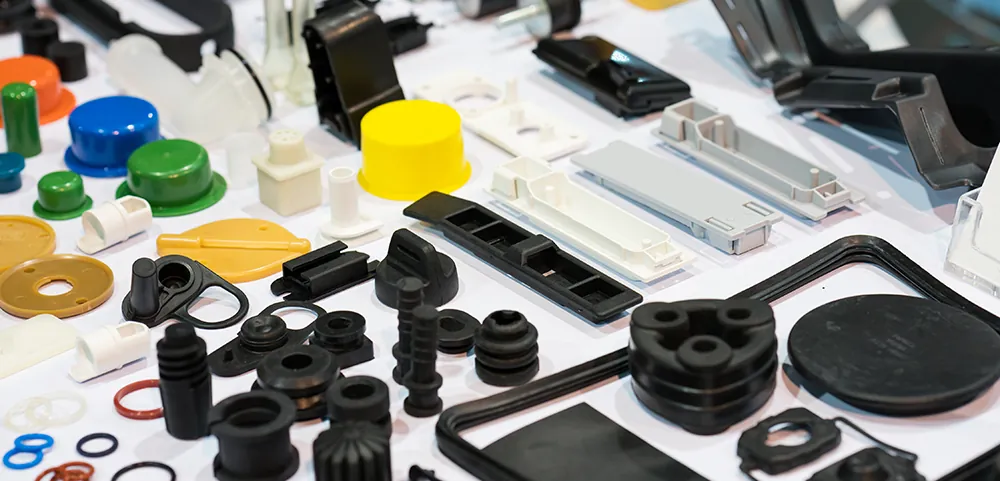
High-performance plastics like ABS, nylon, polycarbonate, and PTFE are also common materials for precision machining. These materials can offer excellent chemical resistance, low friction, and good dimensional stability, making them suitable for components in medical devices, robotics, or industrial automation where metal parts may be too heavy or conductive.
Material Selection Considerations
Picking the right material comes down to balancing machinability, mechanical properties, cost, and application requirements. Factors like thermal expansion, wear resistance, and biocompatibility can influence which material fits best for a given precision parts project.
With the right material choice, precision mechanical parts deliver consistent reliability and long-term performance in demanding U.S. industries.
Common Metal Materials
Precision mechanical parts are often made from a variety of metal materials chosen for their strength, durability, and machinability. cURL Too many subrequests by single Worker invocation. To configure this limit, refer to https://developers.cloudflare.com/workers/wrangler/configuration/#limits cURL Too many subrequests by single Worker invocation. To configure this limit, refer to https://developers.cloudflare.com/workers/wrangler/configuration/#limits. Stainless steel cURL Too many subrequests by single Worker invocation. To configure this limit, refer to https://developers.cloudflare.com/workers/wrangler/configuration/#limits. Titanium cURL Too many subrequests by single Worker invocation. To configure this limit, refer to https://developers.cloudflare.com/workers/wrangler/configuration/#limits. Brass cURL Too many subrequests by single Worker invocation. To configure this limit, refer to https://developers.cloudflare.com/workers/wrangler/configuration/#limits cURL Too many subrequests by single Worker invocation. To configure this limit, refer to https://developers.cloudflare.com/workers/wrangler/configuration/#limits cURL Too many subrequests by single Worker invocation. To configure this limit, refer to https://developers.cloudflare.com/workers/wrangler/configuration/#limits.
cURL Too many subrequests by single Worker invocation. To configure this limit, refer to https://developers.cloudflare.com/workers/wrangler/configuration/#limits.
cURL Too many subrequests by single Worker invocation. To configure this limit, refer to https://developers.cloudflare.com/workers/wrangler/configuration/#limits
cURL Too many subrequests by single Worker invocation. To configure this limit, refer to https://developers.cloudflare.com/workers/wrangler/configuration/#limits.
Material Selection Considerations
cURL Too many subrequests by single Worker invocation. To configure this limit, refer to https://developers.cloudflare.com/workers/wrangler/configuration/#limits
- cURL Too many subrequests by single Worker invocation. To configure this limit, refer to https://developers.cloudflare.com/workers/wrangler/configuration/#limits cURL Too many subrequests by single Worker invocation. To configure this limit, refer to https://developers.cloudflare.com/workers/wrangler/configuration/#limits.
- Machinability: cURL Too many subrequests by single Worker invocation. To configure this limit, refer to https://developers.cloudflare.com/workers/wrangler/configuration/#limits.
- Thermal Stability: cURL Too many subrequests by single Worker invocation. To configure this limit, refer to https://developers.cloudflare.com/workers/wrangler/configuration/#limits.
- cURL Too many subrequests by single Worker invocation. To configure this limit, refer to https://developers.cloudflare.com/workers/wrangler/configuration/#limits cURL Too many subrequests by single Worker invocation. To configure this limit, refer to https://developers.cloudflare.com/workers/wrangler/configuration/#limits.
- cURL Too many subrequests by single Worker invocation. To configure this limit, refer to https://developers.cloudflare.com/workers/wrangler/configuration/#limits cURL Too many subrequests by single Worker invocation. To configure this limit, refer to https://developers.cloudflare.com/workers/wrangler/configuration/#limits.
- cURL Too many subrequests by single Worker invocation. To configure this limit, refer to https://developers.cloudflare.com/workers/wrangler/configuration/#limits cURL Too many subrequests by single Worker invocation. To configure this limit, refer to https://developers.cloudflare.com/workers/wrangler/configuration/#limits.
cURL Too many subrequests by single Worker invocation. To configure this limit, refer to https://developers.cloudflare.com/workers/wrangler/configuration/#limits copper cURL Too many subrequests by single Worker invocation. To configure this limit, refer to https://developers.cloudflare.com/workers/wrangler/configuration/#limits cURL Too many subrequests by single Worker invocation. To configure this limit, refer to https://developers.cloudflare.com/workers/wrangler/configuration/#limits, cURL Too many subrequests by single Worker invocation. To configure this limit, refer to https://developers.cloudflare.com/workers/wrangler/configuration/#limits cURL Too many subrequests by single Worker invocation. To configure this limit, refer to https://developers.cloudflare.com/workers/wrangler/configuration/#limits or cURL Too many subrequests by single Worker invocation. To configure this limit, refer to https://developers.cloudflare.com/workers/wrangler/configuration/#limits cURL Too many subrequests by single Worker invocation. To configure this limit, refer to https://developers.cloudflare.com/workers/wrangler/configuration/#limits.
cURL Too many subrequests by single Worker invocation. To configure this limit, refer to https://developers.cloudflare.com/workers/wrangler/configuration/#limits
cURL Too many subrequests by single Worker invocation. To configure this limit, refer to https://developers.cloudflare.com/workers/wrangler/configuration/#limits
-
cURL Too many subrequests by single Worker invocation. To configure this limit, refer to https://developers.cloudflare.com/workers/wrangler/configuration/#limits
cURL Too many subrequests by single Worker invocation. To configure this limit, refer to https://developers.cloudflare.com/workers/wrangler/configuration/#limits.
-
cURL Too many subrequests by single Worker invocation. To configure this limit, refer to https://developers.cloudflare.com/workers/wrangler/configuration/#limits
cURL Too many subrequests by single Worker invocation. To configure this limit, refer to https://developers.cloudflare.com/workers/wrangler/configuration/#limits.
-
cURL Too many subrequests by single Worker invocation. To configure this limit, refer to https://developers.cloudflare.com/workers/wrangler/configuration/#limits
cURL Too many subrequests by single Worker invocation. To configure this limit, refer to https://developers.cloudflare.com/workers/wrangler/configuration/#limits.
-
cURL Too many subrequests by single Worker invocation. To configure this limit, refer to https://developers.cloudflare.com/workers/wrangler/configuration/#limits
cURL Too many subrequests by single Worker invocation. To configure this limit, refer to https://developers.cloudflare.com/workers/wrangler/configuration/#limits.
cURL Too many subrequests by single Worker invocation. To configure this limit, refer to https://developers.cloudflare.com/workers/wrangler/configuration/#limits CNC precision machining cURL Too many subrequests by single Worker invocation. To configure this limit, refer to https://developers.cloudflare.com/workers/wrangler/configuration/#limits.
cURL Too many subrequests by single Worker invocation. To configure this limit, refer to https://developers.cloudflare.com/workers/wrangler/configuration/#limits
cURL Too many subrequests by single Worker invocation. To configure this limit, refer to https://developers.cloudflare.com/workers/wrangler/configuration/#limits.
cURL Too many subrequests by single Worker invocation. To configure this limit, refer to https://developers.cloudflare.com/workers/wrangler/configuration/#limits
- cURL Too many subrequests by single Worker invocation. To configure this limit, refer to https://developers.cloudflare.com/workers/wrangler/configuration/#limits cURL Too many subrequests by single Worker invocation. To configure this limit, refer to https://developers.cloudflare.com/workers/wrangler/configuration/#limits.
- cURL Too many subrequests by single Worker invocation. To configure this limit, refer to https://developers.cloudflare.com/workers/wrangler/configuration/#limits cURL Too many subrequests by single Worker invocation. To configure this limit, refer to https://developers.cloudflare.com/workers/wrangler/configuration/#limits.
- cURL Too many subrequests by single Worker invocation. To configure this limit, refer to https://developers.cloudflare.com/workers/wrangler/configuration/#limits cURL Too many subrequests by single Worker invocation. To configure this limit, refer to https://developers.cloudflare.com/workers/wrangler/configuration/#limits.
- cURL Too many subrequests by single Worker invocation. To configure this limit, refer to https://developers.cloudflare.com/workers/wrangler/configuration/#limits cURL Too many subrequests by single Worker invocation. To configure this limit, refer to https://developers.cloudflare.com/workers/wrangler/configuration/#limits.
cURL Too many subrequests by single Worker invocation. To configure this limit, refer to https://developers.cloudflare.com/workers/wrangler/configuration/#limits.
Automation and Robotics in CNC Machining
Automation and robotics have transformed the precision mechanical parts industry by boosting efficiency and consistency in CNC machining. Automated systems help reduce human errors, speed up production cycles, and ensure repeatable accuracy—crucial factors when manufacturing complex components for aerospace, medical devices, and industrial automation.
Robotic arms integrated with CNC machines can handle tasks like loading and unloading parts, tool changes, and even in-process inspection, improving workflow and minimizing downtime. This level of automation enables manufacturers to produce high-precision parts with tighter tolerances and better surface finishes while maintaining cost-effectiveness.
By leveraging robotics alongside CNC machining, companies in the U.S. can meet the rising demand for precision mechanical parts with improved reliability and faster turnaround. This approach aligns well with the needs of industries requiring consistent quality and performance.
For those looking at advanced manufacturing options, exploring custom CNC machining services can reveal how automation enhances capabilities and precision.
AI and Smart Manufacturing Technologies
AI and smart manufacturing are transforming how precision mechanical parts are made in the U.S. factories. These technologies use data analytics, machine learning, and real-time monitoring to improve machining accuracy and efficiency. By predicting tool wear and optimizing cutting paths, AI helps maintain the tight tolerances needed for high-quality parts.
Smart systems also enable adaptive control — automatically adjusting machining parameters to account for material variations or environmental changes. This reduces scrap rates and boosts repeatability, which is critical for industries like aerospace and medical device manufacturing.
Integrating AI with CNC machines and automation improves workflow by speeding up programming and inspection stages. For example, advanced software can analyze CAD designs and machine settings to suggest improvements, cutting down production time without sacrificing precision.
Using smart manufacturing technologies means shops can consistently deliver precision mechanical parts with less downtime and greater reliability, meeting the demanding standards expected in today’s market.
Design Tips for Precision Machined Parts
When designing precision mechanical parts, smart choices early on can save headaches down the line. Here are some practical tips to keep in mind:
-
Avoid unnecessary tight tolerances. Only apply tight tolerances where they truly affect function. Overly strict specs drive up costs and increase manufacturing challenges without adding value.
-
Simplify part geometry. Complex shapes are harder and more expensive to machine accurately. Aim for straightforward designs with smooth transitions and avoid intricate features when possible.
-
Design for manufacturability. Collaborate with your machinist early to understand what’s feasible. This includes considering machining access, tool sizes, and standard cutting paths to reduce setup times and improve repeatability.
-
Use standard hole sizes and thread specifications. This minimizes custom tooling and streamlines assembly with off-the-shelf fasteners.
-
Include proper fillets and chamfers. Sharp corners can cause stress and are tougher to machine. Rounded edges improve tool life and part durability.
-
Plan for inspection access. Make sure key dimensions are accessible for measurement to help maintain quality controls easily.
Following these design best practices not only improves the machinability of precision components but also reduces lead times and production costs, ensuring consistent, high-quality results essential for your application. For expert help, consider working with specialists in cURL Too many subrequests by single Worker invocation. To configure this limit, refer to https://developers.cloudflare.com/workers/wrangler/configuration/#limits who understand how design tweaks impact final performance.