
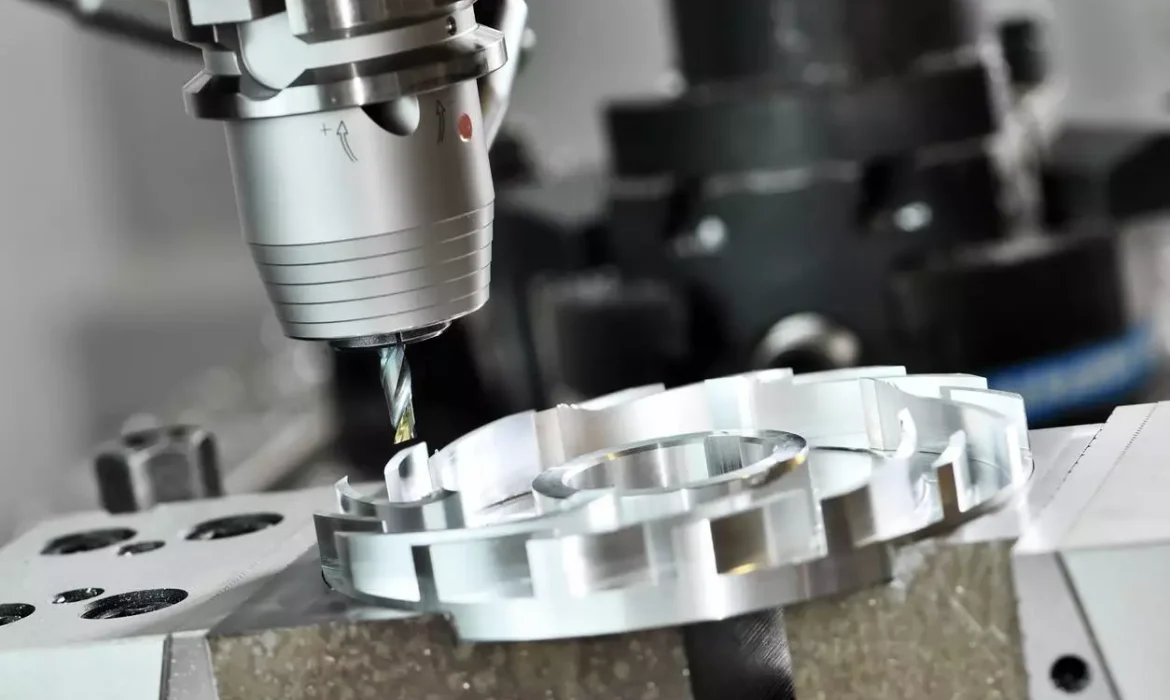
Por que os Serviços de Usinagem CNC São Caros para Peças de Precisão
Compreendendo a estrutura de custos de Serviços de usinagem CNC é o primeiro passo para otimizar seu orçamento. Produzir peças de precisão CNC exige uma convergência de tecnologia avançada, ciência dos materiais e expertise humana, todos os quais contribuem para o preço final.
1. Altivos Custos de Equipamentos e Configuração
A fabricação de precisão exige um investimento de capital elevado. Para alcançar tolerâncias apertadas de **±0,005mm**, utilizamos centros de usinagem CNC avançados de **3 eixos, 4 eixos e **5-eixos**. Essas máquinas não são apenas caras de adquirir, mas requerem manutenção rigorosa para garantir precisão consistente.
- Amortização da Máquina: Fresadoras e tornos CNC de alta qualidade representam uma despesa significativa.
- Tempo de Configuração: Programação e fixação são custos fixos. Seja você encomendar um protótipo ou 1.000 unidades, o tempo de engenharia inicial permanece o mesmo, impactando o preço unitário de produções de baixo volume.
- Manutenção: Calibração regular é essencial para manter os padrões ISO 9001:2015.
2. Requisitos de Mão de Obra Especializada
A usinagem CNC não é apenas uma operação de apertar botões; ela requer profissionais experientes. Nossa equipe aproveita **mais de 15 anos de experiência na indústria** para gerenciar geometrias complexas e especificações rigorosas.
- Especialização em Programação: Engenheiros qualificados devem otimizar os trajetos CAM para reduzir o tempo de ciclo.
- Precisão Operacional: Mecânicos experientes são necessários para monitorar o desgaste das ferramentas e ajustar os parâmetros em tempo real.
- Garantia de Qualidade: Equipe de Controle de Qualidade dedicada garante que cada peça atenda aos padrões rigorosos antes do envio.
3. Custos de Ferramentas e Materiais
O material bruto selecionado e as ferramentas necessárias para cortá-lo são os principais fatores de custo. Processar metais duros como **Aço Inoxidável (304, 316)** ou **Aço (4140)** desgasta as ferramentas de corte mais rapidamente do que ligas mais macias como **Alumínio (6061)** ou **Latão**, exigindo substituições frequentes de ferramentas.
Impacto do Custo na Seleção de Materiais:
| Categoria de Material | Exemplos | Impacto de Custo | usinabilidade |
|---|---|---|---|
| Metais Padrão | Alumínio 6061, Latão | Baixo | Alto (Fresagem rápida) |
| Metais Duros | Aço Inoxidável 304, Aço 4340 | Médio-Alto | Médio (Velocidades mais baixas, maior desgaste da ferramenta) |
| Plásticos de Engenharia | PEEK, POM, PC | Alto (Custo do material) | Alto (Requer ferramentas especializadas) |
Materiais de alto desempenho como PEEK exigem um preço premium por quilograma, enquanto metais mais duros aumentam o tempo de máquina e os custos de ferramentas. Garantir uma cadeia de suprimentos estável para esses materiais certificados é fundamental para manter a qualidade e os prazos de entrega.
Estratégias-chave para Reduzir Custos de Usinagem CNC Sem Comprometer a Qualidade
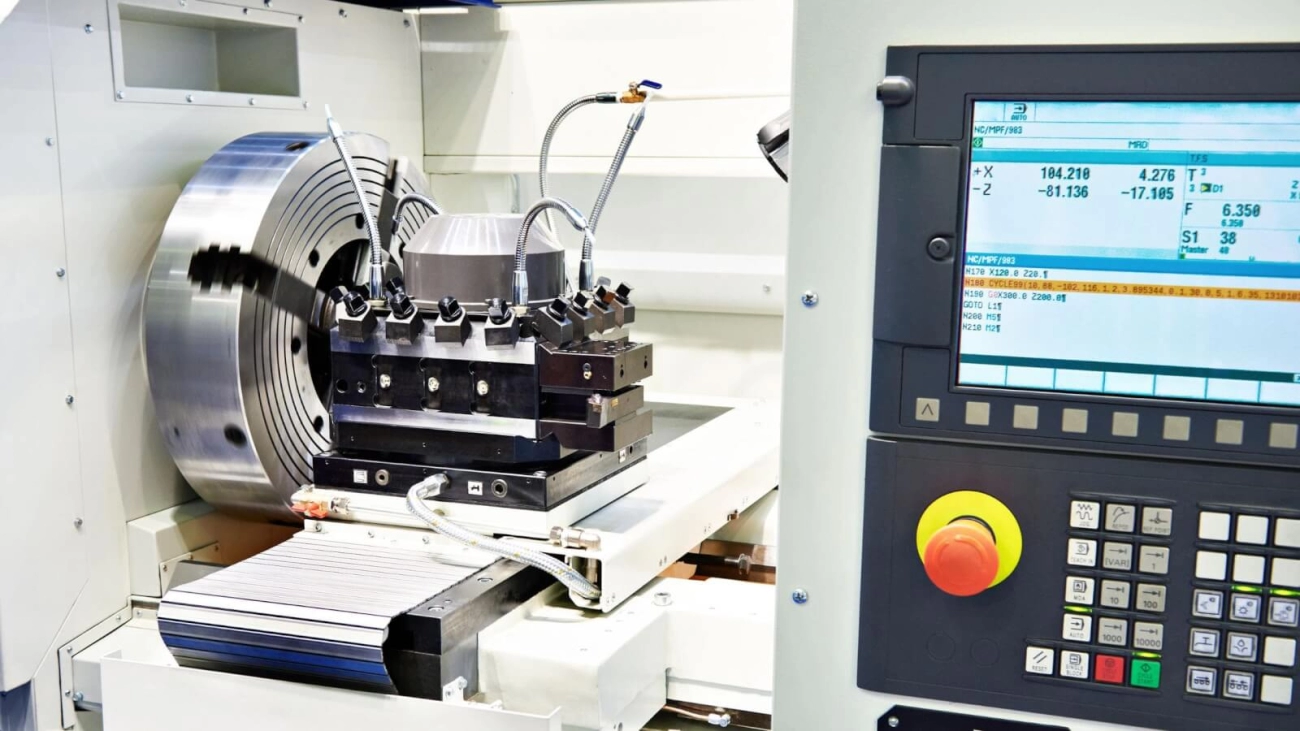
Sabemos que equilibrar um orçamento enquanto exige altas tolerâncias pode ser complicado. No entanto, reduzir custos de usinagem CNC não significa que você precise aceitar peças inferiores. Ao implementar estratégias inteligentes desde o início do processo, podemos reduzir significativamente as despesas enquanto mantemos a integridade do seu Peças de precisão CNC.
1. Otimize o Design para Fabricabilidade (DFM)
A maneira mais eficaz de economizar dinheiro começa antes mesmo de cortar o metal. Colaboramos com você para garantir que seus projetos sejam otimizados para serviços de usinagem CNC eficientes. Recursos complexos como cavidades profundas, raios internos apertados ou roscas não padrão muitas vezes aumentam o tempo de execução e os custos sem agregar valor funcional.
- Solução: Envolva-se com a oficina de usinagem cedo para simplificar a geometria das peças.
- Melhor Prática: Padronize tamanhos de furos e evite paredes finas que requerem velocidades de usinagem lentas.
- Dica para o Cliente: Concentre-se em aprimorar os projetos durante usinagem de protótipos para identificar recursos caros antes do início da produção em larga escala.
2. Use o Material Certo para o Trabalho
A seleção de material é um grande fator de custo. Embora ligas exóticas ofereçam propriedades incríveis, muitas vezes são excessivas para aplicações gerais e mais difíceis de usinar. Escolher o material adequado equilibra custo e desempenho.
- Solução: Selecione materiais estritamente com base nos requisitos mecânicos da peça.
- Melhor Prática: Se a resistência à corrosão não for crítica, opte por opções econômicas como Componentes usinados CNC feitos de aço carbono em vez de aço inoxidável ou titânio.
- Dica para o Cliente: Considere o custo total, incluindo classificações de machinabilidade. Materiais mais duros levam mais tempo para serem cortados, aumentando as cobranças de tempo de máquina.
Comparativo de Custo de Material vs. Machinabilidade
| Tipo de Material | Custo do Material | usinabilidade | Impacto de Custo |
|---|---|---|---|
| Alumínio 6061 | Baixo | Excelente | Mais baixo |
| Aço Carbono | Baixo/Médio | Bom | Moderado |
| Aço Inoxidável (304) | Médio | Difícil | Alto |
| Titânio | Alto | Muito Difícil | Mais alto |
3. Aproveite Tecnologias Avançadas de Usinagem CNC
Pode parecer contraintuitivo, mas usar equipamentos de alta qualidade pode reduzir sua conta final. Serviços especializados, como usinagem CNC avançada utilizar tecnologia avançada opera mais rápido e com maior precisão.
- Solução: Aproveite a usinagem de 5 eixos e a automação.
- Melhor Prática: Use máquinas de 5 eixos para alcançar múltiplos lados de uma peça em uma única configuração, reduzindo drasticamente o tempo de trabalho.
- Dica para o Cliente: Faça parceria com fornecedores que continuamente atualizam sua pilha de tecnologia; a eficiência deles se torna sua economia.
4. Otimize Ferramentas e Reduza o Desgaste das Ferramentas
Os custos com ferramentas se acumulam, especialmente com materiais duros. Uma gestão adequada das ferramentas garante que não estamos consumindo demais brocas e fresas, o que mantém o processo estável e acessível.
- Solução: Combine revestimentos e geometria das ferramentas com o material específico sendo usinado.
- Melhor Prática: Implemente manutenção preditiva para substituir ferramentas antes que falhem e causem danos à peça.
- Dica para o Cliente: Pergunte ao seu fornecedor sobre o sistema de gestão de ferramentas deles. Estratégias de gestão de custos de CNC que incluem supervisão adequada das ferramentas evitam paradas caras e desperdício.
5. Consolide Peças e Minimize Configurações
Sempre que um operador precisa parar uma máquina para virar uma peça ou prender uma nova peça de trabalho, isso gera custo. Reduzir o número de configurações é um padrão de excelência para reduzir custos de usinagem CNC.
- Solução: Projete peças complexas como uma única unidade ao invés de um conjunto de várias peças simples.
- Melhor Prática: Utilize máquinas multitarefa que possam virar e fresar em uma única operação.
- Dica para o Cliente: Consolidar peças não só economiza tempo de usinagem, mas também elimina o trabalho de montagem e possíveis erros de fixação posteriormente.
Como Escolher o Fornecedor de Usinagem CNC Certo para Gerenciar Custos
Encontrar um parceiro não é apenas comparar orçamentos; é encontrar uma equipe que compreenda estratégias de redução de custos de fornecedores de usinagem CNC de dentro para fora. O fornecedor certo atua como uma extensão do seu negócio, procurando ativamente maneiras de economizar dinheiro enquanto mantém a integridade do seu peças de precisão CNC.
1. Experiência e Especialização do Fornecedor
A experiência é o fator oculto que reduz os custos totais do projeto. Sempre procuro fornecedores que já enfrentaram projetos complexos antes, pois eles podem identificar possíveis problemas de fabricação antes do início da produção. Uma equipe experiente fornece Serviços eficientes de usinagem CNC sugerindo ajustes de design que simplificam o processo sem alterar a funcionalidade.
Compreender o cenário global também é fundamental; por exemplo, entender [por que escolher o Brasil para fundição e usinagem]https://ms-machining.com/why-choose-china-casting-machining/) pode frequentemente oferecer um equilíbrio superior entre mão de obra qualificada e eficiência de custos em comparação com opções domésticas.
Dica para o Cliente:
- Revisar Estudos de Caso: Solicite exemplos de peças semelhantes que eles tenham usinado.
- Buscar Feedback de DFM: Um fornecedor proativo oferecerá feedback de Design para Fabricabilidade durante a fase de cotação.
- Valor acima do Preço: Não escolha apenas a proposta mais baixa; escolha a oficina que entende a engenharia por trás da peça.
2. Avalie o Equipamento e a Tecnologia do Fornecedor
Você não pode produzir peças modernas de forma eficiente em máquinas desatualizadas. Fornecedores que investem em tecnologia avançada, como máquinas de 5 eixos e automação, podem realizar **serviços de usinagem CNC para peças de precisão** muito mais rápido do que oficinas que dependem de configurações manuais. Equipamentos avançados reduzem os tempos de ciclo e erros humanos, o que diminui diretamente o custo por unidade.
Especificamente, fornecedores capazes de [serviços de fresamento CNC de alta qualidade para componentes complexos](https://ms-machining.com/cnc-milling-services-for-complex-components/) podem frequentemente usinar peças em uma única configuração, eliminando os custos de mão de obra associados a virar e refixar as peças.
Dica para o Cliente:
- Verifique a Lista de Equipamentos: Certifique-se de que tenham capacidades multi-eixos se suas peças forem complexas.
- Pergunte Sobre Manutenção: Máquinas bem mantidas mantêm tolerâncias mais precisas, reduzindo as taxas de sucata.
- Capacidades de Automação: Oficinas com carregadores robóticos podem operar “sem intervenção humana”, reduzindo significativamente os custos de mão de obra.
3. Controle de Qualidade do Fornecedor e Otimização de Processo
A peça mais cara é aquela que você precisa comprar duas vezes. **Reduzir custos de usinagem CNC** é impossível se seu fornecedor tiver uma alta taxa de rejeição. Um processo rigoroso de controle de qualidade (CQ) garante que cada peça enviada atenda às especificações, economizando dores de cabeça e custos com devoluções e atrasos na produção. Priorizamos padrões rigorosos para garantir [qualidade de fundição de aço inoxidável e usinagem CNC](https://ms-machining.com/stainless-steel-casting-cnc-machining-quality/) permanece consistente em todos os lotes.
| Atributo do Fornecedor | Impacto no Seu Custo |
|---|---|
| Certificação ISO | Garante processos padronizados, reduzindo o risco de lotes defeituosos. |
| Inspeção em Processo | Detecta erros precocemente, evitando desperdício de material e tempo de máquina. |
| Capacidades do CMM | Verifica geometrias complexas com precisão, garantindo que as peças encaixem na sua montagem imediatamente. |
Dica para o Cliente:
- Verifique Certificações: Procure por certificações ISO 9001 ou AS9100 como base de confiabilidade.
- Solicite Relatórios de Inspeção: Peça relatórios dimensionais completos com sua remessa para verificar a precisão.
- Audite o Processo: Se possível, visite a oficina ou peça uma visita virtual para ver o laboratório de controle de qualidade em ação.