
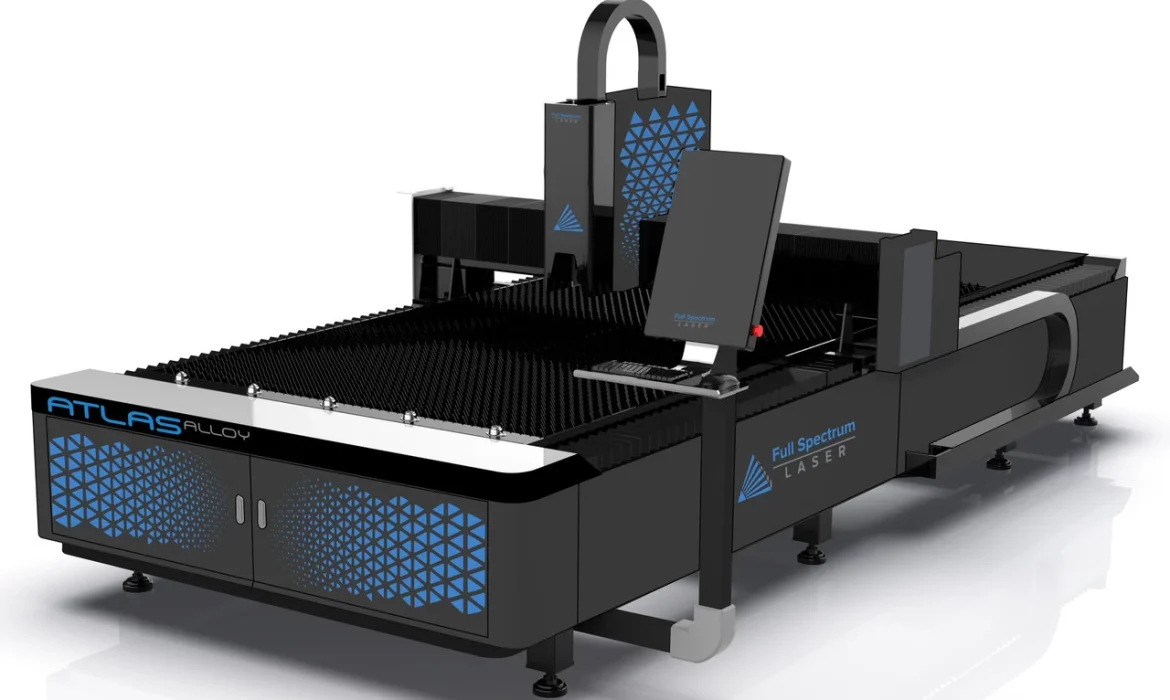
How Laser Cutting Works: A Simple Overview for Decision Makers
Laser cutting machines use a highly focused laser beam combined with assist gas to cut through materials with precision and speed. Here’s the basic principle in straightforward terms:
- Focused Laser Beam: The machine directs an intense beam of light concentrated on a small spot, heating and melting or vaporizing the material exactly where you want to cut.
- Gás de Assistência: Usually oxygen, nitrogen, or air, this gas blows away molten material and cools the cut, improving quality and speed.
Key Components of a Laser Cutting Machine
Understanding these parts helps you grasp how the system works as a whole:
- Laser Source: The heart of the machine that generates the laser beam. Common types include fiber and CO2 lasers, each suited for different materials.
- Cutting Head: Focuses the laser beam and controls the assist gas nozzle, allowing precise movement over the material.
- Motion System: Drives the cutting head along X, Y (and sometimes Z) axes for accurate positioning, using CNC controls.
- Resfriador: Keeps the laser source and cutting head cool during operation to maintain efficiency and prevent overheating.
- Control Software: The brain behind the machine, which processes design files and controls cutting parameters like speed, power, and gas flow for consistent results.
Together, these components enable laser cutting machines to deliver high-precision cuts on a range of materials, from thin sheets to thick metals, making them essential tools for modern fabrication shops.
Main Types of Laser Cutting Machines in 2026

When looking at laser cutting machines in 2026, the main types you’ll find are CO2 laser cutters and diode or desktop lasers. Each serves a different purpose depending on power needs, material types, and budget.
-
CO2 Laser Cutters (10 kW class)
These are the heavy hitters. Ideal for industrial use, 10 kW CO2 lasers handle a wide range of materials including wood, acrylic, plastics, and some metals. They’re known for smooth cuts on non-metals and can tackle thick sheets efficiently. Expect higher operating costs due to gas use and regular maintenance.
-
Diode/Desktop Lasers
These smaller machines focus on hobbyists and light-duty jobs. Diode lasers are cost-effective, operate on lower power (usually under 100W), and are great for engraving and cutting thin materials like paper, leather, or thin plastics. They’re slower and limited on metals but perfect for startups or small workshops.
Here’s a quick comparison to simplify your choice:
| Tipo | Faixa de potência | Materials Handled | Velocidade de corte | Purchase Cost | Custo Operacional |
|---|---|---|---|---|---|
| CO2 Laser Cutter | Up to 10 kW | Wood, acrylic, plastics, mild metals | Fast on non-metals, moderate on metals | High ($50k−$150k+) | Moderate to High (gas, parts) |
| Diode/Desktop Laser | 5W–100W | Paper, leather, thin plastics | Slower, precision-focused | Low ($1k−$10k) | Low (electricity only) |
Choosing between these depends mostly on your typical materials and volume. For metal cutting, CO2 still shines with thicker plates, while diode lasers are great for entry-level crafting and thin material work.
For metal-focused shops, understanding these types helps you avoid overspending or crippling underperformance down the line. If you’re considering CNC and other machining options alongside your laser cutter, you can also check out our guide on Torneamento e fresagem CNC to see how laser fits into the bigger manufacturing picture.
Fiber Laser vs CO2 Laser: Which One Wins in 2026?
When it comes to fiber laser vs CO2 laser cutting machines in 2026, fiber lasers generally take the lead—especially for metals like mild steel, stainless steel, and aluminum. Fiber lasers cut faster on these materials thanks to their higher beam quality and efficiency. Real cutting speed charts show fiber lasers running 20–40% faster than CO2 lasers on mild steel sheets up to about half an inch thick. They also deliver cleaner edges and require less post-processing.
On electricity consumption and maintenance, fiber lasers are more efficient, using less power per cut and needing fewer consumables like mirrors and gases. Maintenance is simpler, too, since fiber lasers rely on fiber optics instead of complex optics and mirrors found in CO2 machines. This translates to lower running costs and less downtime.
However, CO2 laser cutters still hold an edge when working with non-metal materials, such as wood, leather, fabric, and particularly thick acrylics over 1 inch. Their longer wavelength absorbs better in these materials, providing cleaner cuts with less chance of melting or charring. CO2 machines in the 10 kW class remain popular in sign making, woodworking, and plastic fabrication industries where those materials dominate.
For metal-focused shops looking for speed, efficiency, and lower operating costs, fiber lasers are the clear winners in 2026. But if your work leans heavily on thicker non-metals or specialty plastics, keeping a quality CO2 laser cutter around still makes sense.
For detailed specs on both CNC laser cutting machine types and advice on which suits your metal projects best, check out our industrial laser cutter options.
Top 15 Best Laser Cutting Machines in 2026 (Industrial Focus)
When it comes to industrial laser cutting machines in 2026, user feedback, reliability, and strong after-sales support are crucial factors. Here’s a snapshot of the top 15 machines that lead the pack based on these real-world metrics.
MS Machining Flagship Models
MS Machining stands out with its MS-F3015 series, offering fiber laser power from 6 kW up to 30 kW. These machines deliver excellent cutting speeds, precision, and uptime, making them ideal for metal fabrication shops of all sizes. Key specs include:
- Laser power: 6–30 kW fiber laser
- Cutting area: 3,000 x 1,500 mm (standard)
- High positioning accuracy with repeatability under ±0.03 mm
- Robust software for automation and remote diagnostics
MS Machining combines European and American components with competitive pricing, plus local US service centers and a 5-year laser source warranty, addressing common pain points in uptime and maintenance.
Other Leading Brands in 2026
For fair comparison, here’s a quick look at other top industrial-grade laser cutters:
| Brand | Tipo de Laser | Max Power | Focus Use | Pontos fortes | Suporte Pós-Venda |
|---|---|---|---|---|---|
| Bodor | Fiber/CO2 | Up to 20 kW | Metal & Non-metal | Cost-effective, fast setup | Expanding US service network |
| Trumpf | Fiber/CO2 | Up to 30 kW | Heavy industry | High precision, automation | Strong global support |
| Bystronic | Fibra | Up to 20 kW | Sheet metal cutting | Reliability, software | Excellent training & support |
| Amada | Fibra | Up to 15 kW | Automotive, sheet | User-friendly, durable | Solid US dealer presence |
| Han’s Laser | Fibra | Up to 12 kW | Versatile metal | Competitive price | Growing US parts availability |
| HGTECH | Fiber/CO2 | Up to 15 kW | General industrial | Good all-rounder | Responsive support |
These brands have carved a solid reputation in 2026 for delivering industrial laser cutting systems that balance power, speed, and cost. However, MS Machining’s blend of high power, reliability, and dedicated US support makes its flagship models a top choice for many American fabricators.
For more on precision metal processing technologies, check out our insights on processos especiais de usinagem CNC that complement laser cutting workflows perfectly.
Key Specifications That Actually Matter
When choosing a laser cutting machine, focus on specs that directly impact your work. Here’s what you should prioritize:
Laser Power vs. Material Thickness
| Material | 3 kW Laser Max Thickness | 6 kW Laser Max Thickness | 12 kW Laser Max Thickness | 20 kW Laser Max Thickness |
|---|---|---|---|---|
| Aço Carbono | 6 mm | 12 mm | 25 mm | 30+ mm |
| Aço inoxidável | 4 mm | 8 mm | 15 mm | 20 mm |
| Alumínio | 3 mm | 6 mm | 12 mm | 15+ mm |
| Cobre | 2 mm | 4 mm | 8 mm | 10 mm |
Cutting Speed Benchmarks (meters/min)
| Material | 3 kW Fiber Laser | 6 kW Fiber Laser | 12 kW Fiber Laser |
|---|---|---|---|
| Aço Carbono | 6 – 8 | 12 – 15 | 20 – 25 |
| Aço inoxidável | 5 – 7 | 10 – 13 | 18 – 22 |
| Alumínio | 4 – 6 | 8 – 10 | 15 – 18 |
Precisão de Posicionamento e Repetibilidade
- Positioning accuracy: ±0.02 mm – ensures precise cuts and minimal material waste
- Repetibilidade: ±0.01 mm – critical for batch production consistency
Table Size & Automation Options
- Common table sizes:
- Small shops: 4’x8’ (1200 x 2400 mm)
- Industrial: 5’x10’ (1500 x 3000 mm) and larger
- Automação:
- Sheet loaders/unloaders for fast batch processing
- Tube cutting attachments for round, square, and rectangular profiles
- Integration with automated conveyor systems improves throughput
Knowing these specs helps you pick the right machine based on what you’ll cut, how fast, and the volume you expect. For metal fabrication relying on precision and speed, combining laser cutting with smart automation is a game changer—see how fiber lasers compare in real-world cutting and metal machining applications like Usinagem CNC de metais.
Cost & ROI Breakdown
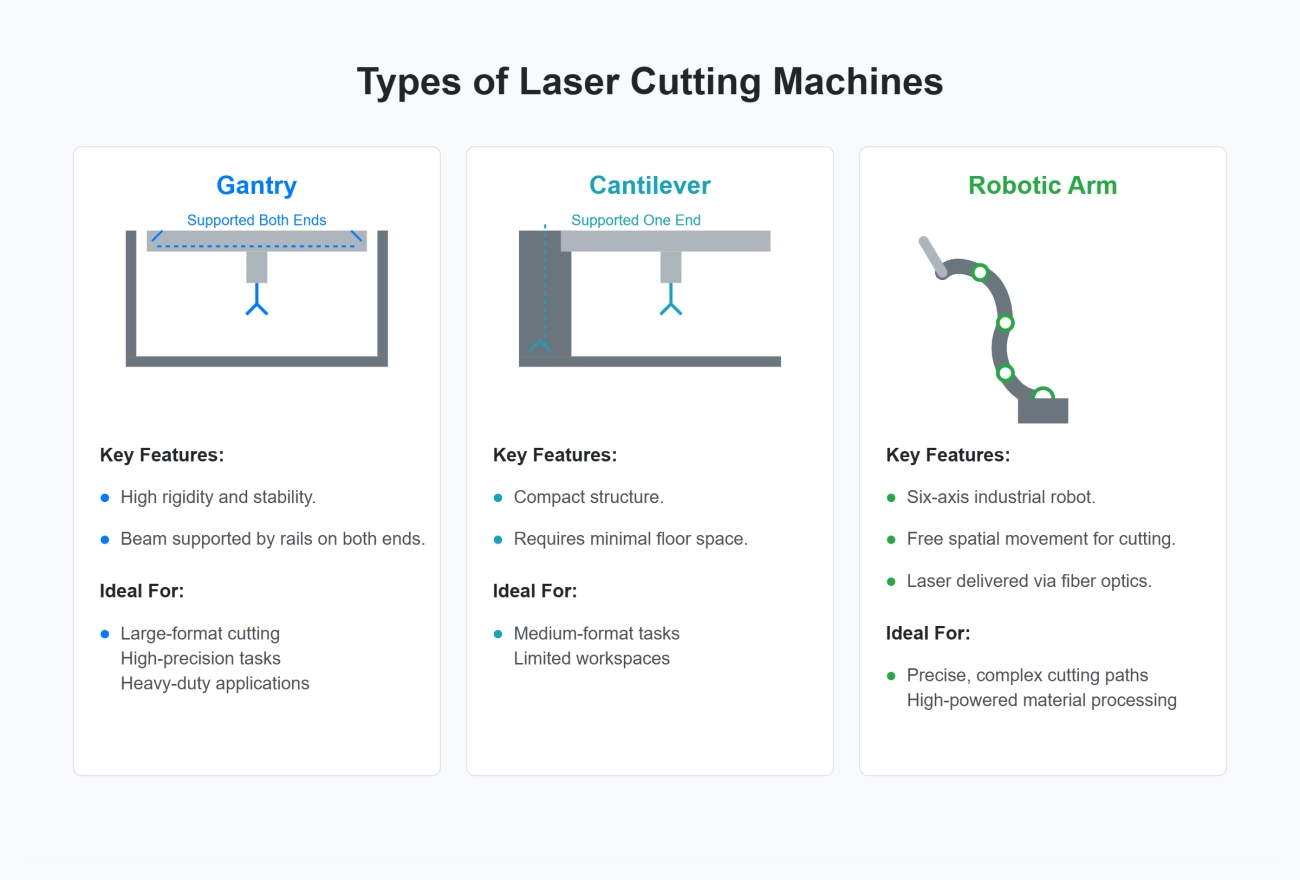
When considering laser cutting machines, the upfront purchase price varies widely based on power and features—expect to pay anywhere from $30,000 for a basic 3 kW model up to $300,000 or more for a top-tier 30 kW industrial fiber laser.
But price isn’t the full story. Hidden costs like electricity, assist gas (usually nitrogen or oxygen), and consumables such as nozzles and lenses add up quickly over time. For example:
- A 12 kW fiber laser typically consumes less electricity than a comparable plasma cutter, reducing operating costs.
- Consumable parts need regular replacement; high-quality nozzles can extend service intervals, impacting cost efficiency.
Real-world payback examples show that investing in a modern 12 kW fiber laser can often pay for itself in 12–24 months when replacing older CO2 or plasma systems, thanks to faster cutting speeds, lower maintenance, and less scrap. Savings get even better when you factor in less downtime and higher precision, which reduce waste and rework.
For metal fabricators looking to upgrade, running detailed cost and ROI calculations can guide the best choice. Integrating modern equipment with your existing workflow, perhaps alongside your serviços personalizados de usinagem CNC, maximizes your shop’s efficiency and profitability.
Essential Features Modern Buyers Demand

When choosing laser cutting machines in 2026, buyers focus on smart features that boost efficiency, safety, and ease of use. Here’s what modern fabricators expect:
| Recurso | Benefício |
|---|---|
| Auto Nozzle Changer | Reduces downtime by switching nozzles automatically for different materials or thicknesses. |
| Intelligent Anti-Collision | Protects the machine from crashes, preventing costly repairs and production delays. |
| Active Cooling Systems | Keeps lasers and electronics stable, extending lifespan and supporting higher power cutting. |
| Integração com Indústria 4.0 | Enables MES connectivity, remote diagnostics, and real-time monitoring for smarter workflow management. |
| Safety Standards | Compliance with Class 1 enclosures, CE certification, and light curtains ensures operator safety and legal compliance. |
These features not only improve productivity but also reduce operating risks and maintenance costs. For U.S. shops aiming for high uptime and compliance, investing in machines with these built-in advances is becoming a must.
For fabricators needing turnkey solutions that combine precision and smart automation, exploring our usinagem CNC personalizada options along with advanced fiber laser cutters can be a game-changer.
How to Choose the Right Laser Cutting Machine for Your Shop
Picking the right laser cutting machine can be tough. Here’s a simple step-by-step guide to help you make the best choice in 2026.
Step-by-Step Decision Framework
-
Identify Your Materials
What will you cut most often? Metals like steel, aluminum, or non-metals like acrylic? Different lasers handle materials differently.
-
Determine Thickness Range
Match laser power to the thickness you’ll cut regularly. Thicker materials need stronger lasers.
-
Evaluate Speed Needs
How fast do you need parts delivered? Higher power fiber lasers cut faster but usually cost more upfront.
-
Consider Automation
Will you need sheet loaders, tube cutters, or integration with MES software? Automation improves efficiency but adds cost.
-
Budget & ROI
Look beyond price; factor in operating costs like electricity and gas. A slightly more expensive machine might pay for itself faster.
-
Serviço e Suporte
Local service centers and solid warranty coverage mean less downtime.
Common Buyer Mistakes in 2026
| Erro | Why It Hurts | How to Avoid |
|---|---|---|
| Choosing too low power | Slow cuts, limits material range | Understand material & thickness needs first |
| Overlooking operating costs | Surprising bills after purchase | Get detailed electricity & gas use info |
| Ignoring automation options | Lost productivity | Plan for your shop’s growth and automation needs |
| Skipping after-sales support | Long downtime, costly repairs | Pick brands with local support and strong warranties |
Free Checklist for Buyers
To simplify your buying journey, we offer a free downloadable checklist that covers all these points and more. It helps you compare laser cutting machines side-by-side and avoid costly mistakes.
If you need to verify what CNC machines can work for your material needs, check our guide on quais materiais uma máquina CNC pode cortar, which also applies when selecting lasers.
By following these steps, you’ll find the laser cutting machine that fits your shop perfectly in 2026.
MS Machining – Why Fabricators Choose Us in 2026
With over 15 years focusing on fiber laser metal cutting, MS Machining stands out as a trusted partner for fabricators across the U.S. We combine high-quality European and American components with cost-effective Chinese manufacturing to deliver powerful, reliable industrial laser cutters at competitive prices.
O que diferencia a usinagem MS?
| Recurso | Benefício |
|---|---|
| 15+ Years Industry Experience | Deep expertise in fiber laser tech |
| European/American Parts | Superior quality & durability |
| Chinese Cost Advantage | Competitive pricing for all budgets |
| Local Service Centers | Fast response & on-site support |
| 5-Year Laser Source Warranty | Long-term peace of mind |
| 24/7 Customer Support | Help whenever you need it |
Our reliable machines like the MS-F3015 series (6–30 kW) are favorites for heavy-duty metal cutting, with real users praising our balance of speed, precision, and uptime. Whether you’re cutting stainless steel, aluminum, or specialty alloys, our fiber laser cutting machines deliver consistent performance.
We also back our products with real customer case studies and detailed testimonials, showing how we’ve helped shops improve throughput and reduce running costs. If you need robust, cost-effective serviços de usinagem CNC de aço inoxidável combined with best-in-class laser cutting, MS Machining is a top choice.
Choosing MS Machining means investing in technology designed for the future, supported by a team that understands fabricators’ challenges and goals in 2026 and beyond.
Frequently Asked Questions about Laser Cutting Machines
Is laser cutting faster than CNC plasma or waterjet?
Yes, fiber laser cutting machines generally offer faster speeds and higher precision compared to CNC plasma or waterjet cutters, especially on thin to medium-thickness metals like stainless steel and aluminum. Plasma can cut thicker metals quickly but lacks the fine edge quality of lasers. Waterjets are slower but good for materials sensitive to heat.
Can a fiber laser cut 50 mm mild steel?
Cutting 50 mm (about 2 inches) of mild steel with a fiber laser is challenging and usually not practical for most fiber lasers on the market, including 20 kW models. For such thickness, plasma cutters or specialized CO2 lasers designed for thick materials might be better options.
How much electricity does a 20 kW fiber laser use?
A 20 kW fiber laser system typically consumes around 30 to 40 kW of electrical power during operation, considering the laser, motion system, chiller, and supporting components. Efficient cooling and advanced motion control can reduce overall consumption, impacting operating costs positively.
What’s the best laser cutting machine for small businesses vs large factories?
- Small businesses benefit from compact fiber or diode lasers (1–3 kW) ideal for light materials, prototyping, and limited space.
- Large factories often require high-power fiber lasers (6 kW and up) with automation features like sheet loaders and tube cutting attachments for mass production and heavy-duty metal cutting.
For detailed info on laser cutting stainless steel and related processes, check out our guide on fundição de aço inoxidável and explore complementary methods like máquinas de fresamento CNC that often work hand-in-hand with laser cutting in metal fabrication.