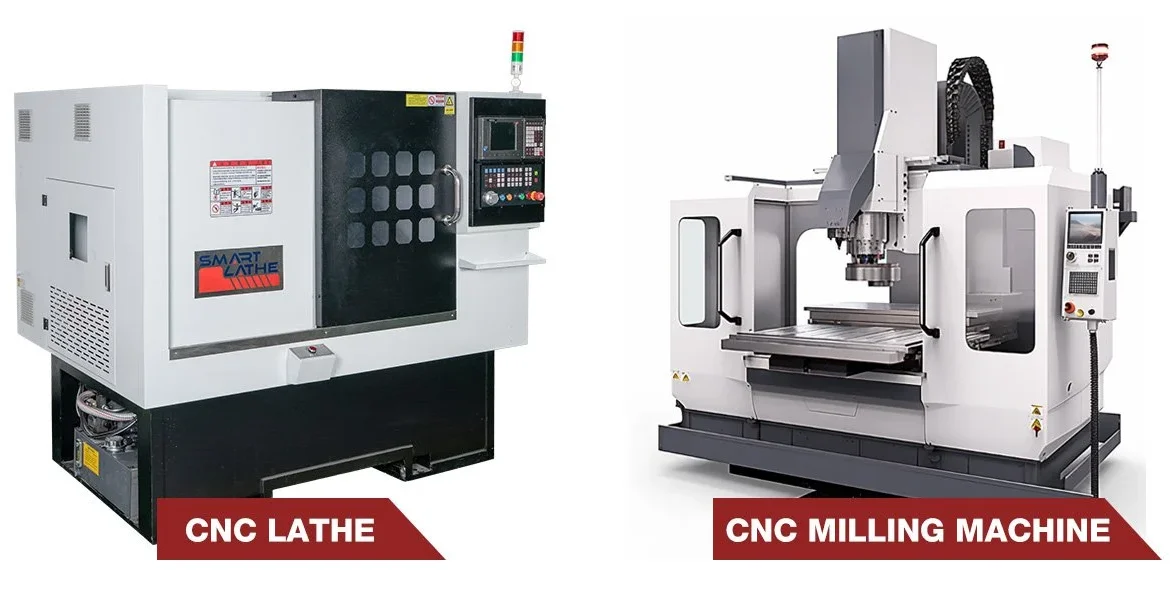
O que é uma Torno CNC?
A torno CNC é uma ferramenta de usinagem de precisão projetada principalmente para dar forma a peças cilíndricas. Seu princípio de funcionamento central envolve o peça de trabalho girando em altas velocidades enquanto ferramentas de corte estacionárias removem sistematicamente material ao longo dos eixos X e Z. Algumas tornos CNC avançados possuem ferramentas móveis, que adicionam eixos extras e permitem operações de perfuração e fresagem sem remover a peça.
Principais Características e Capacidades
- Torneamento: Modelar o diâmetro externo da peça de trabalho.
- Enfrentamento: Criar uma superfície plana na extremidade da peça.
- Rosqueamento: Cortar roscas em eixos ou porcas.
- ranhuramento: Cortar ranhuras estreitas ou rebaixos.
- Perfuração: Possível com acessórios de ferramentas móveis para furos ao longo do eixo.
Materiais Comuns Usinados
Tornos CNC se destacam ao trabalhar com:
- Metais como alumínio, aço e titânio
- Plásticos
- Materiais compostos que se encaixam em perfis simétricos ou arredondados
Saídas típicas de torno CNC
A eficiência do torno brilha na produção de componentes simétricos rotacionalmente, como:
- Eixos
- Buchas
- Conexões
- Parafusos
- Outras partes que exigem ajuste preciso torneamento de precisão
Na MS Machining, frequentemente dependemos de tornos CNC para a produção de alta qualidade e consistente de peças cilíndricas que exigem acabamentos de superfície excelentes e tolerâncias precisas. A processo de torneamento versus fresamento a distinção aqui é clara: tornos concentram-se em girar a peça, enquanto fresadoras giram a ferramenta de corte. Essa diferença é crucial ao selecionar o equipamento CNC adequado para o seu projeto.
O que é uma fresadora CNC?
Uma fresadora CNC funciona girando uma ferramenta de corte enquanto mantém a peça quase imóvel — ou a move um pouco. A ferramenta se move ao longo de vários eixos, geralmente entre 3 e 5, proporcionando flexibilidade para cortar formas complexas de diferentes ângulos.
As máquinas de fresagem CNC podem realizar uma variedade de tarefas, como fresamento de face, contorno, fresamento de cavidades, perfuração, rosqueamento, gravação e até acabamento detalhado em 3D. Isso as torna versáteis para diversas necessidades de produção.
Eles trabalham com uma ampla variedade de materiais—de plásticos mais macios a metais mais resistentes e compósitos—especialmente quando as peças requerem usinagem de múltiplos ângulos.
Você frequentemente verá fresadoras CNC usadas para fabricar peças com superfícies planas, ranhuras, moldes, suportes, caixas e outros componentes intrincados e de múltiplos lados. Essa versatilidade diferencia as fresadoras CNC, especialmente em oficinas que buscam produzir usinagem de geometria complexa e peças de alta precisão.
Diferenças Fundamentais: Torno CNC vs Cabeçote de Fresa
Aqui está uma rápida análise das principais diferenças entre um torno CNC e um fresa CNC, focando em como eles funcionam, suas capacidades e o que isso significa para suas necessidades de usinagem.
| Recurso | Torno CNC | Fresadora CNC |
|---|---|---|
| Movimento e Eixos | Peça gira, ferramenta de corte permanece fixa (eixos X e Z, às vezes mais com ferramentas móveis) | Ferramenta gira, peça permanece principalmente imóvel (mais de 3 eixos) |
| Complexidade dos Eixos | Normalmente 2 eixos básicos | Tipicamente 3 a 5 eixos, mais complexos |
| Ferramentas de corte | Ferramentas de ponto único, troca rápida de ferramentas | Cortadores rotativos multi-ferramenta, carrossel de ferramentas |
| Velocidade e Remoção de Material | Mais rápido para peças redondas/simétricas | Mais versátil, mas mais lento por característica individual |
| Precisão e Tolerâncias | Excelente concentricidade, perfeito para peças redondas | Ótima precisão posicional em formas complexas |
| Configuração e Programação | Alimentações medidas por revolução | Alimentações medidas por minuto com sistemas de coordenadas complexos |
| Fatores de Custo | Geralmente menor custo inicial, ferramentaria mais simples | Custos iniciais e de ferramentaria mais altos, fixação mais complexa |
Principais pontos:
- Movimento: Tornos giram a peça; fresadoras giram a ferramenta.
- Eixos: Fresadoras lidam com mais eixos, perfeitas para formas complexas.
- Ferramentas: Tornos usam ferramentas de ponto único; fresadoras usam múltiplos cortadores rotativos.
- Velocidade: Para peças redondas simples, tornos funcionam mais rápido; fresadoras brilham com geometria complexa.
- Precisão: Precisão do torno é toda sobre concentricidade, enquanto fresadoras lidam com precisão posicional em múltiplas faces.
- Programação: Diferentes taxas de alimentação e lógica de coordenadas afetam a facilidade de operação.
- Custos: Tornos tendem a custar menos inicialmente; fresadoras exigem mais investimento, mas oferecem versatilidade.
Compreender essas diferenças pode ajudar a escolher o equipamento CNC adequado com base no design da peça, volume de produção e orçamento. Seja você enfrentando usinagem de peças cilíndricas or fresamento de geometria complexa, conhecer essas diferenças é fundamental para otimizar seu processo de fabricação.
Quando escolher um torno CNC
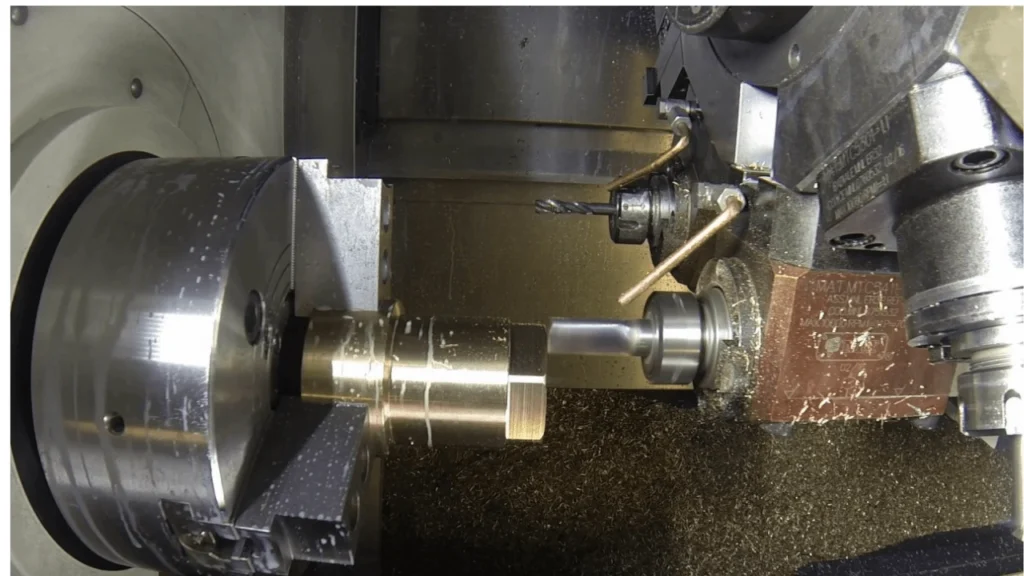
Tornos CNC brilham quando você trabalha com peças cilíndricas ou cônicas—especialmente se você precisa produzir grandes volumes rapidamente. Eles se destacam em:
- Tempos de ciclo rápidos: Girar a peça acelera a remoção de material.
- Ótimo acabamento superficial em peças redondas: Perfeito para eixos suaves ou encaixes.
- Uso eficiente de materiais: Torno com alimentação de barra minimiza desperdício.
Usos no Mundo Real
| Indústria | Peças Típicas |
|---|---|
| Automotivo | Eixos, parafusos, buchas |
| Aeroespacial | Encaixes, conectores |
| Médico | Implantes, ferramentas cirúrgicas |
O que ter em mente
Tornos CNC enfrentam dificuldades com peças que não são redondas ou simétricas. Se você precisa de formas não cilíndricas ou características prismáticas, espere configurações extras ou ferramentas móveis — o que pode aumentar o tempo e a complexidade.
Conclusão: Escolha um torno CNC quando suas peças forem principalmente redondas e a repetibilidade for fundamental; caso contrário, uma fresadora ou solução híbrida pode ser mais adequada.
Quando escolher uma fresadora CNC
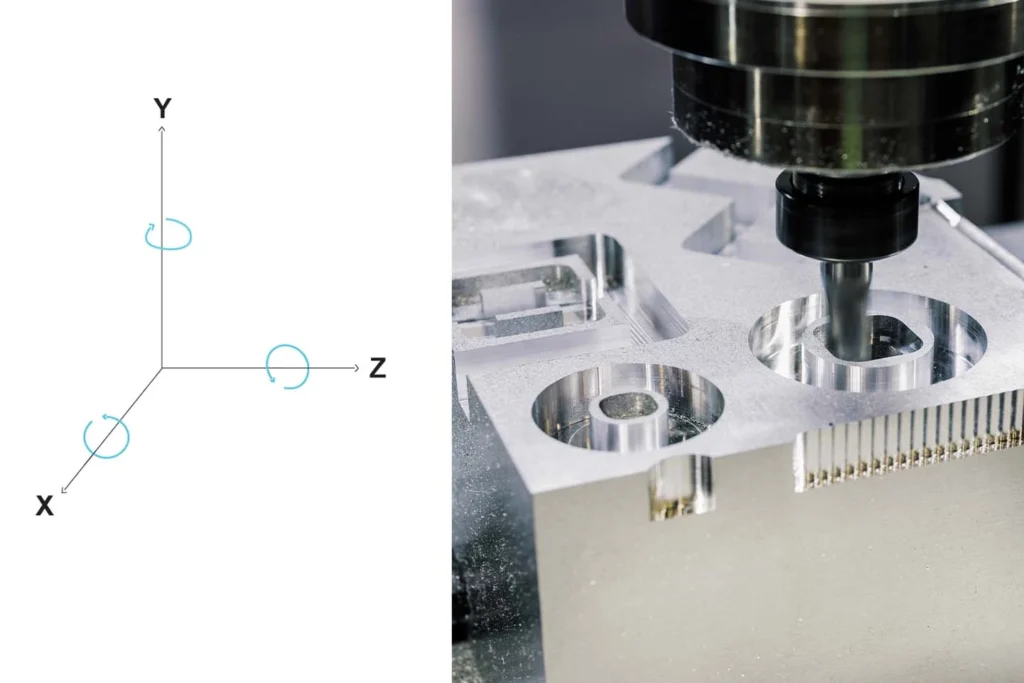
Se suas peças tiverem faces planas, cavidades, furos angulares ou precisarem de contornos complexos em 3D, uma fresadora CNC é a melhor opção. As fresadoras oferecem flexibilidade geométrica e podem usinar múltiplos lados em uma única configuração — especialmente com máquinas de 4 ou 5 eixos.
Vantagens da Usinagem CNC
- Manipula facilmente peças complexas e de múltiplos lados
- Ótimo para formas intricadas e superfícies 3D
- Funciona bem com uma ampla variedade de materiais, incluindo metais duros e compósitos
Exemplos de Fresadoras CNC no Mundo Real
| Tipo de Peça | Uso comum |
|---|---|
| Blocos de motor | Automotivo, maquinaria pesada |
| Suportes | Equipamentos industriais, construção |
| Protótipos | Validação e testes de design |
| Moldes | Injeção de plástico, fundição |
| Gabinetes personalizados | Eletrônicos, dispositivos médicos |
Limitações a Considerar
- Mais lento em peças puramente redondas em comparação com tornos CNC
- Requer fixações e configurações mais complexas para segurar as peças com segurança
Ao decidir entre torno CNC e fresadora, pense primeiro na forma da peça. Para peças planas, com múltiplos lados ou complexas em 3D, a fresadora CNC geralmente é a melhor escolha. Ela oferece a versatilidade que você precisa sem sacrificar a precisão.
Sobreposições modernas e soluções híbridas
As linhas de torno CNC versus fresadora estão se confundindo graças a tecnologias avançadas como ferramentas de corte ao vivo e centros de fresamento com torno. Essas configurações permitem que tornos CNC realizem tarefas de fresamento—perfuração, ranhuras e mais—sem precisar trocar de máquina. Isso significa que você pode concluir peças complexas mais rapidamente, reduzindo configurações e manuseio.
No lado da fresagem, máquinas de fresamento de 5 eixos e centros multitarefa evoluíram. Elas combinam torneamento, fresamento e às vezes usinagem de moagem em uma única máquina. Isso permite que oficinas trabalhem peças com geometria extremamente complexa, recursos multi-lados e tolerâncias apertadas, tudo em uma única operação.
Na MS Machining, sabemos quando uma abordagem híbrida é a melhor opção. Se sua peça precisa de torneamento preciso e fresamento intricado—especialmente em peças aeroespaciais, médicas ou automotivas—um centro de fresamento com torno ou uma máquina multitarefa de 5 eixos economiza tempo e aumenta a precisão. Usar essas máquinas CNC híbridas significa menos configurações, prazos mais curtos e melhor eficiência de custos para trabalhos difíceis.
Resumindo: a diferença entre torno CNC e fresadora está diminuindo, e soluções híbridas são o futuro para a produção de peças complexas no mercado brasileiro.
Qual é Melhor? Guia de Decisão para Torno CNC vs Fresadora
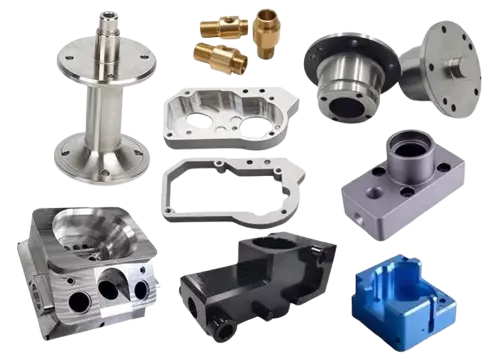
Escolher entre um torno CNC e uma fresadora depende da forma da sua peça, necessidades de produção e configuração da oficina. Aqui está uma lista de verificação rápida para ajudar na sua decisão:
- Geometria da Peça:
- Peças simétricas ou redondas? Um torno CNC é a sua escolha para eixos, buchas ou parafusos.
- Formas multifacetadas ou complexas? A fresadora CNC é melhor para suportes, moldes e peças com cavidades ou furos angulares.
- Volume de produção e Repetibilidade:
- Produções de alto volume de peças redondas simples? Os ciclos do torno são mais rápidos e mais econômicos.
- Baixo a médio volume com designs complexos? As fresadoras oferecem mais flexibilidade, mesmo que os ciclos sejam mais longos.
- Orçamento, Espaço e Habilidade do Operador:
- Configurações de torno tendem a ser mais compactas e mais baratas para trabalhos de usinagem de torneamento.
- Fresadoras, especialmente de múltiplos eixos, requerem mais espaço e programadores qualificados.
- Considere os custos de ferramentas e necessidades de fixação para ambos.
Como Decidir: Comece revisando cuidadosamente os desenhos e características da sua peça. Depois, entre em contato com profissionais de usinagem CNC como a MS Machining, que entendem o mercado brasileiro e podem recomendar a melhor combinação de capacidades de torno CNC e fresadora para o seu trabalho.
Ao combinar a forma, volume e orçamento da sua peça com a máquina certa, você obterá a melhor precisão, eficiência e economia de custos a cada vez.