Entendendo o Usinagem CNC: Definição e Noções Básicas
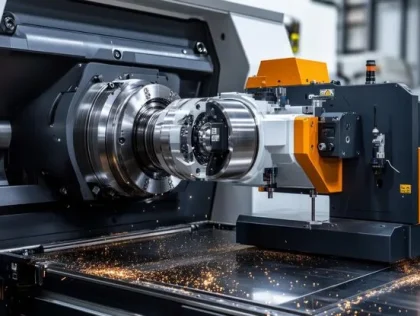
Quer saber o que usinagem CNC realmente significa? Simplificando, é um processo de usinagem de precisão controlado por um sistema de controle numérico computadorizado (CNC). Em vez de guiar manualmente a roda de moagem, a máquina CNC segue instruções programadas para moldar ou finalizar uma peça com extrema precisão.
Princípios Fundamentais da Usinagem CNC
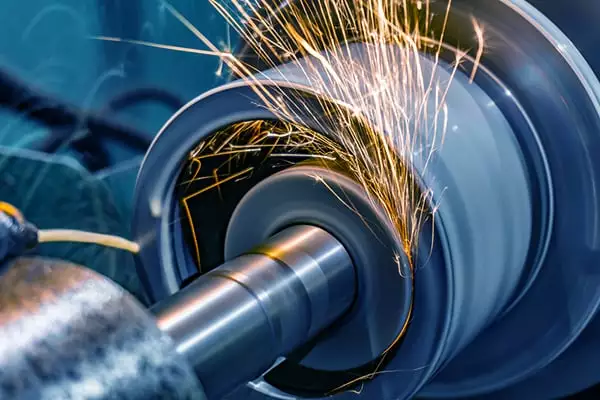
- Remoção de material acontece através de uma roda de moagem abrasiva, que gira em alta velocidade.
- As partículas abrasivas da roda arranham pequenas quantidades de material, alcançando superfícies suaves ou dimensões específicas.
- Ao contrário das ferramentas de corte, as rodas de moagem usam fricção e abrasão para moldar peças duras ou de precisão.
| Recurso | Moagem CNC | Esmerilhamento Manual |
|---|---|---|
| Controle | Movimentos precisos controlados por computador | Guiado pela habilidade do operador |
| Exatidão | Alta precisão, tolerâncias apertadas | Limitado pela consistência humana |
| Repetibilidade | Produção de lote consistente | Resultados variados por operador |
| Complexidade | Manipula formas intricadas | Melhor para geometrias simples |
Como o CNC de moagem difere de outros processos CNC
- CNC de moagem vs fresamento CNC: A moagem remove material por abrasão, não cortando cavacos como o fresamento.
- CNC de moagem vs moagem manual: O CNC oferece acabamento superior e precisão consistente.
- Rodas de moagem são essenciais—diferentes de ferramentas de usinagem ou tornos—o que significa que a usinagem abrasiva é sua especialidade única.
Uma Breve História: Do Tradicional ao CNC de Moagem
A moagem começou como um comércio manual: operadores habilidosos usavam rodas guiadas à mão para moldar metal. Com o tempo, as máquinas ficaram mais sofisticadas:
- As primeiras máquinas tinham automação limitada.
- A revolução CNC introduziu a moagem programável, melhorando a repetibilidade e a precisão.
- Hoje, máquinas de moagem CNC são essenciais para indústrias que exigem tolerâncias em nível de micrômetro e acabamentos de superfície perfeitos.
Resumindo, o usinagem CNC combina métodos abrasivos tradicionais com automação de ponta para precisão e eficiência incomparáveis.
Como funciona o processo de usinagem CNC

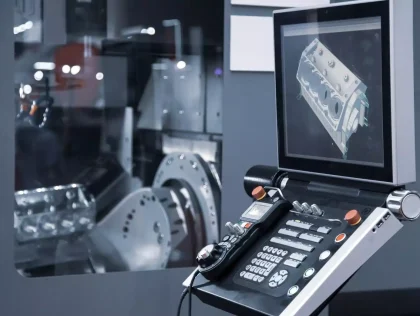
A usinagem CNC começa com um projeto claro baseado nas especificações da peça. Primeiro, o modelo CAD da peça é programado no controlador CNC, definindo o caminho e os parâmetros para a roda de moagem. Depois vem a configuração da máquina: fixar a peça de trabalho usando um dispositivo garante estabilidade durante o processo.
Em seguida, a seleção da roda de moagem. Diferentes tipos de rodas de moagem — como óxido de alumínio ou diamante — são escolhidos com base no material e no acabamento desejado. O tamanho da roda, a granulometria abrasiva e a ligação afetam a qualidade e a velocidade de remoção do material.
Durante a usinagem, o usinador CNC controla cuidadosamente os principais parâmetros:
- Velocidade da roda: Quão rápido a roda de moagem gira, o que afeta o acabamento superficial e a geração de calor.
- Taxa de avanço: A velocidade com que a peça de trabalho ou roda se move durante o acabamento, equilibrando eficiência e precisão.
- Profundidade de corte: A espessura do material removido por passagem, impactando tanto a tolerância quanto o tempo de usinagem.
O fluido de corte desempenha um papel crucial ao resfriar a área de trabalho para evitar superaquecimento e reduzir danos térmicos. Também ajuda a eliminar resíduos de moagem para manter a qualidade da superfície.
Após a moagem, etapas de acabamento podem incluir o dressamento da roda para restaurar sua forma ou passagens adicionais de polimento fino para superfícies de alta precisão. Juntas, essas ações cuidadosamente controladas tornam a usinagem CNC um processo confiável para produzir tolerâncias apertadas e acabamentos suaves em uma ampla variedade de materiais.
Para indústrias que precisam de peças complexas com alta precisão, a usinagem CNC oferece qualidade consistente graças aos seus controles automatizados e componentes avançados como a roda de moagem, dispositivo de fixação e controlador CNC. Este processo garante que cada peça atenda aos seus requisitos rigorosos.
Saiba mais sobre usinagem de precisão com tecnologia CNC em nosso usinagem CNC de dispositivos médicos página, onde a precisão é crítica.
Tipos de Máquinas de Abrasão CNC
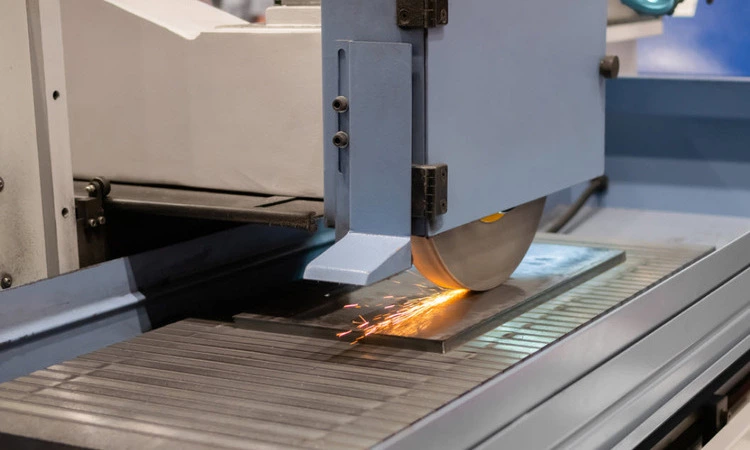
A usinagem CNC abrange uma variedade de máquinas projetadas para tarefas específicas de moagem. Aqui está um resumo rápido dos principais tipos:
| Tipo de Máquina | Descrição | Aplicações típicas | Faixa de Tolerância | Tipos de Peças |
|---|---|---|---|---|
| Retificadoras de Superfície CNC | Utilize uma roda abrasiva rotativa para finalizar superfícies planas; inclui retificadoras de superfície rotativas que permitem a rotação da peça para formas complexas | Superfícies planas, placas, moldes | ±0,0001” a ±0,001” | Placas de metal, ferramentas planas |
| Retificadoras cilíndricas CNC | Para retífica de superfícies cilíndricas de diâmetro externo (DE) e interno (DI) | Eixos, pinos, mangas | ±0,0001” | Eixos automotivos, rolamentos |
| Retificadoras sem centro CNC | Peças de trabalho suportadas por uma lâmina e retificadas sem centros, ideais para alta precisão em grande volume | Tubos, hastes, pequenas peças de alto volume | ±0,0001” a ±0,0005” | Eixos, hastes produzidos em massa |
| Retificadoras de ferramentas e cortadores | Especializado em afiar e retificar ferramentas de corte como fresas e brocas | Manutenção e fabricação de ferramentas | ±0,0001” | Ferramentas de corte, brocas |
| Moedores de Perfil | Use controles CNC para criar contornos e formas complexas em perfis | Aeroespacial, fabricação de moldes, peças personalizadas | ±0,0001” a ±0,0005” | Perfis, formas complexas |
| Moedores de Alimentação Lenta | Realize cortes profundos em velocidades mais baixas para materiais duros, combinando moagem e desbaste | Aço ferramenta de alta resistência, peças aeroespaciais | ±0,0001” a ±0,001” | Materiais endurecidos, pás de turbina |
Estes retificadores CNC variam em precisão e velocidade, mas todos aproveitam a precisão CNC para acabamento superior e repetibilidade.
Para formas complexas que requerem superfícies planas e contornadas, retificadores de superfície CNC e retificadores de perfil trabalham em conjunto. usinagem CNC de liga metálica Retificadores cilíndricos e sem centro se destacam em peças redondas, sendo que o último é perfeito para produções de alto volume.
Se seu projeto envolve metais de precisão ou compósitos, consultar serviços especializados de usinagem CNC como
pode complementar o retificação para tolerâncias apertadas e necessidades complexas de materiais.
Tipos comuns de operações de retificação CNCA retificação CNC cobre várias operações principais, cada uma adequada a diferentes formas e necessidades de produção.
Retificação de Superfície: Este método é ideal para criar acabamentos planos e suaves nas peças de trabalho. Usando uma roda abrasiva rotativa, máquinas de retificação de superfície CNC garantem tolerâncias precisas e excelente qualidade de superfície.: Estas se concentram em formas cilíndricas. O retificação de OD suaviza o diâmetro externo, enquanto a retificação de ID trabalha em superfícies internas como furos ou alargadores. Ambas são comuns na fabricação de peças de precisão.
Retificação sem centro: Perfeita para produção em grande volume, a retificação sem centro não requer que a peça seja presa por centros. Permite o processamento contínuo e eficiente de peças cilíndricas com precisão confiável.
Retificação de perfil e contorno: Essas operações lidam com formas e curvas complexas. Máquinas CNC de retificação de perfil seguem trajetórias programadas precisas para alcançar contornos intrincados com resultados consistentes.
Cada tipo de operação usa rodas de moagem e configurações específicas adaptadas ao material e ao acabamento necessários. Essa flexibilidade torna a retificação CNC uma escolha principal em indústrias que exigem alta precisão e eficiência. Para mais informações sobre capacidades de usinagem de precisão, consulte nossa visão geral detalhada de engenharia de precisão CNC.
Vantagens da retificação CNC
A retificação CNC oferece precisão incomparável e tolerâncias consistentemente apertadas, tornando-a ideal para peças que exigem dimensões exatas e acabamentos suaves. Diferente da retificação manual, os retificadores CNC proporcionam qualidade de superfície superior com variação mínima, garantindo que cada peça atenda a padrões rigorosos.
Essas máquinas também aumentam a eficiência, especialmente para produção de alto volume. O retificação CNC automatizada reduz o desperdício de material ao otimizar o uso da roda de moagem e os parâmetros de corte. Isso não só reduz custos, mas também acelera os prazos de entrega sem comprometer a qualidade.
Versatilidade de materiais é outro benefício importante. A retificação CNC lida com uma ampla variedade de materiais resistentes—de aços e metais exóticos a cerâmicas e compósitos avançados—sem comprometer a precisão. Essa flexibilidade apoia indústrias diversas, de aeroespacial a dispositivos médicos.
A automação também desempenha um papel fundamental. Com controladores CNC, muitas máquinas de retificação operam 24/7 com envolvimento mínimo do operador. Isso reduz custos de mão de obra e melhora a consistência, permitindo que os fabricantes atendam a prazos rígidos de entrega e mantenham preços competitivos.
Para empresas que buscam melhorar a qualidade e a produtividade, a retificação CNC é uma solução poderosa que combina precisão, versatilidade e eficiência em um só pacote. Se deseja aprender como a retificação CNC se encaixa nas capacidades mais amplas de usinagem, considere nossos serviços relacionados a usinagem CNC pesada e fabricação de matrizes e moldes.
Aplicações e Indústrias para Retificação CNC
A retificação CNC é fundamental em muitas indústrias onde precisão e durabilidade são essenciais. Na aeroespacial, é usada para retificar pás de turbinas, eixos e outros componentes críticos que exigem tolerâncias apertadas e acabamentos de superfície perfeitos. O setor automotivo depende da retificação CNC para comandos de válvula, transmissões e peças de motor, onde a qualidade consistente impacta desempenho e longevidade.
A fabricação de dispositivos médicos se beneficia da retificação CNC na produção de implantes, ferramentas cirúrgicas e próteses—áreas onde acabamentos suaves e dimensões exatas são essenciais. Indústrias de ferramentaria usam retificação CNC para fabricar ferramentas de corte, matrizes, moldes e instrumentos de medição de precisão, garantindo que as ferramentas resistam ao desgaste e entreguem resultados precisos.
Alguns exemplos do mundo real destacam a precisão da retificação CNC: pás de turbinas aeroespaciais acabadas com precisão microscópica, engrenagens automotivas retificadas para redução de ruído e eficiência, e lâminas cirúrgicas moldadas para perfis exatos que aumentam a segurança e o desempenho.
Para empresas que buscam otimizar a produção com moagem de precisão, entender como a moagem CNC se integra a outras técnicas avançadas de usinagem, como usinagem CNC de alumínio ou EDM por fio, pode abrir novas portas para peças complexas e de alta qualidade. aqui e comparar benefícios como EDM por fio vs usinagem tradicional.
Escolhendo a Solução de Moagem CNC Ideal
Selecionar a melhor solução de moagem CNC depende principalmente do seu material, design da peça e necessidades de produção. Aqui estão fatores-chave a considerar:
- Dureza do Material: Materiais mais duros, como aço temperado ou cerâmicas, frequentemente necessitam de rodas de moagem especializadas e taxas de avanço mais lentas para evitar danos.
- Geometria e Tolerância: Formas complexas ou tolerâncias apertadas exigem retificadoras CNC que ofereçam controle preciso e repetibilidade.
- Volume de produção: Corridas de alto volume se beneficiam de configurações automatizadas como retificação sem centro, enquanto trabalhos de baixo volume ou personalizados podem preferir retificadoras de superfície flexíveis.
Quando se trata de escolha da roda, combinar o tipo de abrasivo e o tamanho do grão certos para seu material é fundamental para eficiência e qualidade da superfície. Usar o correto líquido de refrigeração não apenas evita superaquecimento, mas também prolonga a vida útil da roda e melhora o acabamento.
As melhores práticas de programação para retificação CNC envolvem otimizar a velocidade da roda, a taxa de avanço e a profundidade de corte para equilibrar o acabamento superficial com a taxa de remoção de material. Uma programação adequada também minimiza o desgaste da ferramenta e reduz os tempos de ciclo.
Escolha o usinagem CNC em vez de alternativas como usinagem manual ou torneamento CNC quando suas peças exigirem:
- Alta precisão e acabamento consistente
- Perfis de superfície complexos
- Intervenção humana mínima para produção 24/7
Por exemplo, um componente de alta precisão com tolerâncias de usinagem apertadas e geometria intrincada geralmente se beneficia das capacidades do usinagem CNC em comparação com métodos tradicionais.
Na MS Machining, orientamos você na seleção do melhor processo de usinagem CNC adaptado aos seus objetivos de projeto e orçamento. Para peças que requerem acabamento de alta velocidade e precisão, confira nossa expertise em rolamentos de ranhura espiral para turbinas de alta velocidade, onde a usinagem CNC é uma etapa vital para alcançar qualidade superior.
Por que fazer parceria com a MS Machining para usinagem CNC
Na MS Machining, oferecemos máquinas de usinagem CNC avançadas e expertise em cada projeto, garantindo que suas peças atendam aos mais altos padrões de precisão. Nosso equipamento de última geração realiza uma ampla variedade de operações de usinagem—retífica de superfície CNC, retífica cilíndrica OD e ID, e até retífica de alimentação por arrasto especializada—para que possamos lidar com formas complexas e tolerâncias apertadas com facilidade.
Estamos comprometidos com o controle de qualidade e prazos de entrega rápidos, ajudando você a manter o cronograma sem cortar custos. Nossa equipe entende a importância de acabamentos superficiais superiores e remoção eficiente de material, otimizando cada usinagem para reduzir desperdícios e aumentar a relação custo-benefício.
Se você busca um parceiro confiável para fornecer resultados consistentes e de alta precisão para suas aplicações aeroespaciais, automotivas, médicas ou de ferramentaria, a MS Machining tem a experiência e a tecnologia para fazer o trabalho certo. Entre em contato hoje através da nossa página de contato para discutir como podemos apoiar suas necessidades de usinagem CNC com soluções especializadas.