
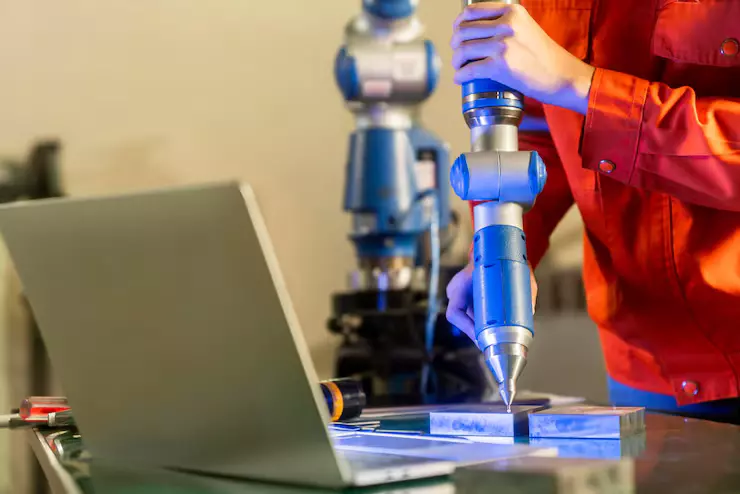
If you’re curious about how usinagem CNC com IA is transforming manufacturing, you’re in the right place. This cutting-edge technology is not just about automation; it’s about smarter, faster, and more precise production. In this post, you’ll discover how integrating AI with CNC machining can redefine efficiency and quality in your projects. Ready to unlock the future of machining? Let’s get started!
The Role of AI in Modern CNC Machining Operations
Why AI Is Becoming Relevant in CNC Machining Today
AI in CNC machining is no longer a futuristic concept—it’s actively transforming how manufacturers operate. Today, AI technology enhances precision, efficiency, and decision-making in CNC machining services. By integrating AI, shops can automate complex tasks like toolpath optimization and quality control, reducing human error and accelerating production. As manufacturing demands grow, AI offers a way to maintain high-quality output while managing tighter tolerances and complex geometries.
Market Pressures Driving AI Adoption in Manufacturing
Several market forces are accelerating AI adoption in CNC machining. Increasing customer expectations for faster delivery, lower CNC machining cost, and superior quality push manufacturers toward smarter solutions. Additionally, rising competition and the need to reduce downtime compel shops to adopt AI for predictive maintenance and real-time monitoring. The continuous pressure to improve productivity, reduce scrap, and optimize CNC machine quality control makes AI a critical asset for manufacturers focused on staying competitive in the U.S. market.
From Traditional CNC to Data-Driven Machining
Limitations of Conventional CNC Machining Processes
Traditional CNC machining relies heavily on pre-set programs and manual adjustments, which can limit flexibility and responsiveness. Without real-time data, operators often face challenges like unexpected tool wear, inefficient cutting paths, and slower reaction to part defects. This leads to higher scrap rates, longer cycle times, and wasted materials. Conventional methods also struggle to fully optimize machining parameters for each unique batch, especially in complex or customized jobs common in the U.S. manufacturing sector.
How Data Collection Changes CNC Decision-Making
With data-driven machining, continuous monitoring and collection of machine, tool, and process data transforms how decisions are made. Sensors and IoT devices gather information on tool performance, cutting forces, and environmental conditions. This real-time data allows AI algorithms to adjust toolpaths, speeds, and feeds dynamically, improving precision and efficiency. The shift to AI CNC machining also means less guesswork and more predictive control — manufacturers can reduce CNC machining cost by avoiding downtime and scrap through smarter, data-based decisions. This approach supports advanced services such as multi-axis operations and high-mix production found in modern facilities using equipment like precision máquinas de torno CNC.
Core Areas Where AI Supports CNC Machining Services
Process Planning and Machining Strategy Optimization
AI is transforming how CNC machining services approach process planning. By analyzing vast amounts of data from previous jobs, AI can devise optimized machining strategies that minimize tool wear and enhance efficiency. This means smarter cut sequences, better feed rates, and tool selections tailored for each unique job, ultimately reducing CNC machining cost and boosting productivity.
Adaptive Toolpath Adjustments During Machining
One strong advantage of AI in CNC machining is real-time adaptive toolpath adjustments. Instead of sticking to fixed paths, AI systems monitor cutting conditions, machine vibrations, and material responses. When conditions change, AI tweaks the toolpath on the fly, preventing errors, extending tool life, and improving part precision. This adaptive approach ensures consistent quality even when dealing with complex geometries or variable material properties.
Cycle Time and Cost Control Through AI Analysis
AI’s ability to analyze data extends to cycle time and cost control. It closely monitors machining operations to identify bottlenecks or wasted movements and suggests improvements to speed up production without sacrificing quality. By reducing downtime and optimizing machine use, AI directly contributes to CNC cost reduction, giving shops better control over expenses and timelines. For those interested in efficiency improvements, exploring melhor introdução ao usinagem CNC provides useful insights into the fundamentals behind these advancements.
AI-Assisted CNC Programming and CAM Integration
Reducing Manual Programming Errors
One big advantage of AI in CNC machining services is cutting down on manual programming errors. Traditional coding requires hours of precise work, and even skilled programmers can make mistakes that lead to costly reworks. AI-powered software automates much of this by generating toolpaths and code, reducing human error and ensuring reliable output every time.
Improving Consistency Across Complex Parts
AI helps maintain tight tolerances and consistent quality, especially for complex parts with intricate features. By analyzing past runs and adjusting parameters on the fly, AI-assisted CNC machining ensures each piece matches the specs exactly, which is crucial in industries demanding precision like aerospace or medical. This consistency also lowers scrap rates and improves overall confidence in the finished product.
Supporting Multi-Axis and High-Mix Production
Modern shops often handle complex multi-axis machining and varying part types within the same production cycle. AI algorithms excel at managing this complexity by optimizing toolpaths and machining strategies dynamically. This flexibility boosts efficiency in high-mix production environments, allowing quick switches between jobs without sacrificing quality or increasing cnc machining cost. For advanced machining like precision milling, AI-driven CAM integration, such as those used in serviços de usinagem CNC de precisão, can significantly streamline programming workflows and throughput.
AI-Based Monitoring in CNC Machining
Real-Time Machine Status and Performance Tracking
AI-driven monitoring systems provide real-time insights into CNC machine status and performance. This means operators and managers can see exactly how machines are running at any moment—spotting issues like speed drops or overheating before they become serious problems. By constantly tracking parameters such as spindle speed, feed rate, and vibration, AI helps maintain optimal machining conditions. This proactive approach reduces errors and boosts overall efficiency in CNC machining services.
Tool Wear Detection and Tool Life Management
One of the biggest challenges in CNC machining cost control is managing tool wear. AI algorithms analyze sensor data to detect subtle changes in cutting performance or surface finish that signal tool wear. By predicting remaining tool life more accurately, shops can schedule timely replacements, avoiding both premature waste and unexpected tool failure. This AI support helps maximize tool usage while maintaining part quality, contributing directly to reduced CNC machining costs.
Reducing Unplanned Downtime on the Shop Floor
Unplanned downtime is a costly headache for any machining operation. AI-based monitoring acts like an early warning system by identifying potential faults before they cause breakdowns. Whether it’s detecting abnormal machine vibrations, coolant flow issues, or spindle problems, AI alerts technicians to act quickly. This predictive insight keeps machines running smoothly, minimizing downtime and boosting production uptime. Integrating such AI solutions is key to enhancing CNC machine quality control and overall shop floor reliability. For more on precision in manufacturing, check out our comprehensive guide to metrologia e precisão na fabricação.
Quality Control and Inspection with AI Support
AI in Dimensional Inspection and Tolerance Analysis
AI plays a critical role in improving dimensional inspection and tolerance analysis during CNC machining services. By automatically analyzing measurements with high precision, AI systems ensure parts meet strict specifications without manual errors. This reduces the risk of faulty components passing inspection, which improves overall CNC machine quality control and helps manufacturers deliver consistent results.
Identifying Defect Patterns in High-Volume Production
When dealing with high-volume production, spotting defects early and efficiently is key. AI analyzes large amounts of inspection data to detect patterns or recurring issues that might be missed by human inspectors. This proactive approach helps address root causes quickly, maintaining production quality and avoiding costly delays.
Reducing Scrap and Rework Costs
Using AI in quality control significantly lowers scrap rates and rework expenses. By catching deviations faster and more accurately, AI-driven inspection minimizes wasted materials and machine time. For shops focused on CNC cost reduction, this translates directly into improved profitability and streamlined workflows, especially when running complex or multi-axis production like those detailed in our guide to low-volume high-mix manufacturing.
Predictive Maintenance for CNC Equipment
Preventive vs Predictive Maintenance in CNC Shops
In CNC machining services, traditional preventive maintenance means regular checkups and part replacements on a fixed schedule. While it helps avoid breakdowns, it can lead to unnecessary downtime and added costs if maintenance is done too early or too late. Predictive maintenance, powered by AI, shifts this approach by analyzing real-time data from CNC equipment to predict when a machine actually needs attention. This means maintenance happens only when it’s truly needed, reducing unexpected failures and extending machine life.
How AI Helps Schedule Maintenance More Effectively
AI systems in CNC machining use sensor data and machine learning to monitor equipment health continuously. This smart monitoring spots subtle signs of wear or performance drops well before they cause problems. By forecasting issues, AI helps schedulers plan maintenance during less busy times, minimizing disruptions and lowering cnc machining cost overall. This approach improves productivity and ensures better CNC machine quality control, critical when working with tight-tolerance parts or high-mix jobs.
For shops looking to enhance maintenance strategies while controlling costs, integrating AI into predictive maintenance aligns well with digital manufacturing trends and can complement services like precision CNC engineering for metal and plastic parts.
AI and CNC Machining Cost Considerations
Initial Investment vs Long-Term Operational Savings
Implementing AI in CNC machining requires an upfront investment in software, sensors, and sometimes upgraded hardware. This initial cost can seem high, especially for smaller shops focused on low-volume runs or prototypes. However, the long-term operational savings often outweigh these expenses. AI helps reduce waste, improve cycle times, and cut down on costly errors, which adds up over time. By automating routine tasks and optimizing machining parameters, shops can lower labor costs and boost machine uptime, leading to better overall efficiency.
Where AI Delivers the Most Practical ROI
The most practical ROI from AI in CNC machining comes from areas such as toolpath optimization, predictive maintenance, and quality control. For example, AI-driven adjustments to toolpaths reduce material waste and machining time, directly affecting your CNC machining cost. Predictive maintenance helps avoid expensive unplanned downtime by identifying equipment issues early. Plus, AI-powered quality checks reduce scrap and rework, which saves money on finishing and inspections.
By focusing AI efforts on these core cost-drivers, manufacturers—especially those running high-mix or complex parts—can see noticeable savings and improve their profit margins. For more information on improving machining quality and consistency with modern methods, explore our guide on usinagem de precisão CNC.
Challenges of Implementing AI in CNC Machining
Data Quality and System Integration Issues
One of the biggest hurdles in adopting AI for CNC machining services is ensuring high-quality data. AI systems rely heavily on accurate, consistent data from machines and sensors. Poor data quality leads to less reliable AI predictions and decisions, which can impact machining quality and efficiency. Additionally, integrating AI tools with existing CNC software and hardware can be complex. Many shops use legacy CNC machines that weren’t designed for seamless digital connectivity, making data collection and real-time analysis a challenge.
Compatibility with Existing CNC Machines
Many manufacturing floors, especially in the U.S., operate older CNC equipment that may not support advanced AI features out of the box. Retrofitting these machines or upgrading controllers for AI compatibility requires investment and technical expertise. This can slow down AI adoption or limit it to newer systems only, reducing the overall impact on CNC machining cost reduction and efficiency improvements.
Cybersecurity and Data Protection Concerns
As AI increases data dependency, the risk of cybersecurity threats grows. CNC machines connected to networks for AI-driven monitoring and control are vulnerable to hacking or data breaches. Protecting sensitive manufacturing data, machine parameters, and production schedules becomes critical to avoid disruptions and intellectual property theft. Effective cybersecurity measures must be in place to secure AI-powered CNC machining systems and maintain trust throughout the supply chain.
For manufacturers looking to navigate these challenges while enhancing quality and efficiency, partnering with experienced CNC machining services like those specializing in contract CNC machining can provide the necessary support and technology integration.
Workforce Impact: CNC Machinists and AI
How AI Changes Daily CNC Machining Workflows
AI is reshaping daily workflows for CNC machinists by automating routine tasks and improving precision. Instead of spending hours manually programming or monitoring machines, operators now rely on AI-driven systems that optimize tool paths, adjust cutting parameters in real time, and flag potential issues early. This shift means machinists focus more on oversight, problem-solving, and fine-tuning rather than repetitive setup. AI also helps reduce errors and rework, boosting overall efficiency in CNC machining services.
Skills CNC Operators Need in AI-Assisted Shops
With AI becoming a key player in the shop floor, CNC operators need to upgrade their skills. Beyond traditional machining knowledge, they should be comfortable working with AI software interfaces, interpreting data analytics, and understanding automated alerts. Troubleshooting AI-generated recommendations and maintaining smooth integration between AI tools and existing CNC machines is crucial. Operators who combine hands-on machining expertise with tech-savvy skills will thrive in AI-assisted environments, ensuring better quality control and CNC machining cost savings.
Integrating AI into CNC machining is a practical step forward, helping manufacturers meet today’s demands for precision and speed. For those interested in understanding the foundation of CNC machining and how AI builds upon it, checking out resources like CNC machining basics pode ser muito útil.
AI Adoption Scenarios for Different CNC Machining Services
Low-Volume and Prototype Machining
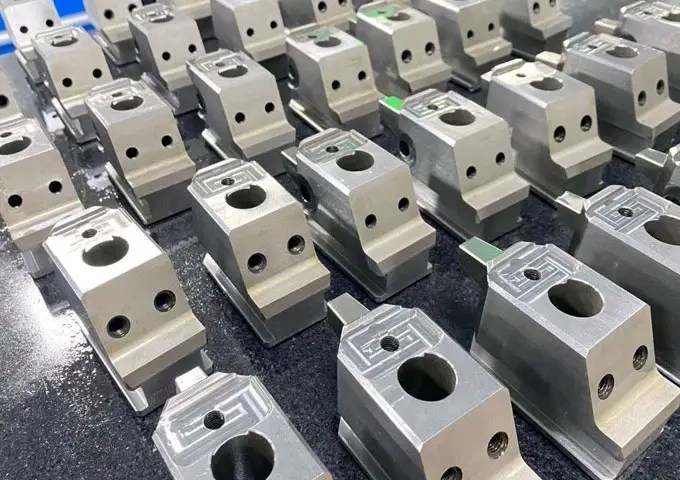
AI helps reduce turnaround time and setup errors in low-volume runs and prototyping by automating programming and process tweaks. This cuts down manual adjustments, speeding up initial builds. It also supports quick iterations by learning from previous runs, making it easier to test design tweaks without lengthy recalibrations.
Benefits:
- Faster prototype cycles
- Reduced setup and programming errors
- Flexible adjustments for custom parts
High-Volume Production CNC Machining
For high-volume CNC machining, AI is a game changer in optimizing toolpaths and minimizing cycle times. It continuously analyzes production data to recommend adjustments that boost efficiency and maintain consistency across thousands of parts. AI-driven monitoring also helps prevent costly downtime by catching issues early on the shop floor.
| Aspecto | AI Impact |
|---|---|
| Cycle Time | Reduced through optimized paths |
| Consistência | High thanks to automated checks |
| Downtime | Minimized by real-time alerts |
Complex and Tight-Tolerance Components
Machining complex parts with tight tolerances demands precision and fine control. AI supports this by dynamically adapting toolpaths and feed rates in real-time, based on sensor data. It also assists in predictive quality control, catching deviations before they become defects. This ensures high-quality, precise parts with less scrap.
Key advantages:
- Real-time adaptive machining
- Enhanced quality control
- Lower scrap and rework costs
For advanced CNC machining services, including titanium components often used in aerospace or medical fields, AI integration improves both speed and precision. Companies like MS Machining specialize in these complex jobs, combining AI-driven processes with expert craftsmanship to deliver exceptional results.
Future Trends of AI in CNC Machining Services

Smarter Automation and Closed-Loop Machining
The future of AI in CNC machining services points toward smarter automation with closed-loop machining systems. This means machines will not only follow programmed instructions but will also adapt in real-time using AI-driven feedback. By constantly monitoring the machining process, these systems can make adjustments on the fly—improving precision, reducing waste, and minimizing cycle times. This shift helps manufacturers respond quickly to unexpected variables like tool wear or material inconsistencies, boosting overall CNC machining cost efficiency and quality control.
AI Integration with Digital Manufacturing Systems
AI’s role is expanding beyond the machine itself and becoming a core part of integrated digital manufacturing systems. Combining AI with enterprise resource planning (ERP), manufacturing execution systems (MES), and cloud-based platforms allows for end-to-end data flow. This integration improves decision-making, from raw material sourcing to final inspection. For example, AI-powered analytics can forecast production bottlenecks or optimize machining strategies across multiple machines and shops, making CNC machining services more agile and cost-effective. These advancements align closely with trends in advanced CNC processes, such as those seen in processos especiais de usinagem CNC e high-precision CNC milling machines, creating smarter, more connected manufacturing environments.