Inzicht in RVS-bladdikte en kwaliteiten
Bij het bepalen van de beste manier om roestvrijstalen plaatmetaal te snijden, is de eerste factor om te overwegen de dikte en kwaliteit van het blad. Deze factoren beïnvloeden direct welke gereedschappen en snijmethoden het beste werken voor jouw project.
Gauge-grafiek en impact van dikte:
- De dikte van roestvrijstalen platen wordt meestal gemeten in gauge—hoe hoger de gauge, hoe dunner het blad.
- Bijvoorbeeld, 22 gauge is ongeveer 0,03 inch dik, terwijl 18 gauge dichter bij 0,05 inch ligt.
- Dikkere platen vereisen zwaardere gereedschappen zoals elektrische knipschaar of plasmacutters, terwijl dunne platen met handgereedschap zoals blikschaar kunnen worden gesneden.
- Het begrijpen van de gauge helpt schade aan gereedschap en slechte sneden te voorkomen.
Veelvoorkomende RVS-kwaliteiten voor plaatmetaal:
- 304 roestvrij staal 304 is de meest voorkomende algemene kwaliteit. Het biedt goede corrosiebestendigheid en matige bewerkbaarheid.
- 316 roestvrij staal 316 heeft een betere corrosiebestendigheid (vooral tegen chloriden), maar is moeilijker te snijden vanwege zijn hardheid.
- Andere kwaliteiten bestaan, maar 304 en 316 zijn de meest gebruikelijke voor plaatmetaalprojecten.
Bewerkingsmogelijkheden:
- RVS is harder dan mild staal, waardoor het meer hitte en slijtage op snijgereedschap kan veroorzaken.
- Kwaliteiten zoals 304 en 316 vereisen scherpe, hoogwaardige snijbladen of schijven die speciaal voor RVS zijn ontworpen.
- Gebruik van ongeschikt gereedschap kan leiden tot ruwe randen, thermische vervorming of beschadiging van het snijgereedschap.
Door het afstemmen van de snijgereedschap voor roestvrijstalen plaatmetaal Tot de juiste dikte en kwaliteit instellen, zorgt voor schone sneden en minder frustratie tijdens je project.
Belangrijke factoren bij het kiezen van de beste snijmethode
Bij het bepalen van de beste manier om roestvrijstalen plaatmateriaal te snijden, moet je verschillende factoren afwegen:
- Precisie versus snelheid: Maak je gedetailleerde sneden of grove afwerkingen? Voor strakke, schone randen werken langzamere, meer precieze gereedschappen zoals handknippers of elektrische scharen het beste. Als snelheid belangrijk is, zorgen krachtgereedschappen zoals haakse slijpers of plasmalassen voor een snellere uitvoering, maar kunnen ze wat details opofferen.
- Randkwaliteit en afwerking: Roestvrij staal kan gemakkelijk onvolkomenheden laten zien. Kies een snijmethode die gladde randen achterlaat als je later minimaliseert slijpen of ontbramen wilt. Bijvoorbeeld, elektrische scharen en laser snijden zorgen voor nettere randen in vergelijking met handzagen.
- Veiligheid, stof, vonken en warmtevervorming: Het snijden van roestvrij staal produceert vaak vonken en warmte, wat het metaal kan vervormen of brandwonden kan veroorzaken. Overweeg gereedschap met stofbeheersing of die het metaal koel houden, zoals waterstraalsnijden. Persoonlijke beschermingsmiddelen zijn een must bij het gebruik van haakse slijpers of plasmalassen.
- Budget en beschikbaarheid van gereedschap: Geavanceerde methoden zoals CNC-knippen of laser snijden leveren geweldige resultaten, maar kunnen duur zijn of uitbesteden vereisen. Voor doe-het-zelf of kleine projecten zijn betaalbare gereedschappen zoals blikschaar, handknippers of eenvoudige elektrische gereedschappen voldoende. Zorg dat je een methode kiest die binnen je budget past en die je realistisch kunt gebruiken.
Het kiezen van het juiste snijgereedschap voor roestvrijstalen plaatmateriaal betekent de juiste balans vinden tussen deze factoren, afhankelijk van de behoeften van je project.
Handmatige snijmethoden voor dunne roestvrijstalen platen
Als het gaat om het snijden van dunne roestvrijstalen platen—zoals 22 tot 18 gauge—werken handmatige methoden goed als je controle wilt zonder zwaar gereedschap.
Blikschaar / Luchtvaartschaar
- Ideaal voor snelle, rechte of licht gebogen sneden op dunnere platen.
- Voordelen: Betaalbaar, gemakkelijk te hanteren, geen stroom nodig.
- Nadelen: Kan ruwe randen achterlaten, niet ideaal voor lange of complexe sneden.
- Onthoud: Gebruik luchtvaartscharen die ontworpen zijn voor roestvrij staal om het botte worden van de snijkant te voorkomen en soepelere sneden te maken.
Handzaag met fijngetande mes
- Een goede keuze als je precieze, rechte sneden zonder warmtevervorming nodig hebt.
- Gebruik een mes met 24-32 tanden per inch (TPI) ontworpen voor metaal om vastkleven of chippen te minimaliseren.
- Voordelen: Breed verkrijgbaar en budgetvriendelijk.
- Nadelen: Vereist meer inspanning en tijd; let op vastlopen van het mes als je te snel voert.
Hand Nibbler Gereedschap
- Perfect voor schone sneden zonder vervorming, vooral voor ingewikkelde vormen en bochten.
- Het werkt door kleine stukjes uit te slaan, zodat de randen glad blijven zonder te buigen.
- Voordelen: Precies, vermindert warmteopbouw, geweldig voor gedetailleerd werk.
- Nadelen: Langzamer dan elektrisch gereedschap en kan vermoeiend zijn bij het snijden van grote platen.
Deze handmatige snijgereedschappen voor roestvrijstalen plaatmetaal houden het eenvoudig en werkbaar als je project licht gebruik is of je vonken en warmte wilt vermijden. Stem het gereedschap af op je dikte en snijvorm voor de beste resultaten.
Elektrisch Gereedschap Methodes voor veelzijdig snijden van roestvrijstalen plaatmetaal
Wanneer je roestvrijstalen plaatmetaal sneller en flexibeler moet snijden, zijn elektrisch gereedschap een goede keuze. Hier is een korte samenvatting van de beste opties en welke messen of bevestigingen het beste werken.
Hoekschuurmachine met roestvrijstalen snijschijf
Een hoekschuurmachine met een roestvrijstalen snijschijf is ideaal voor snelle, rechte of gebogen sneden op dunnere platen. Gebruik schijven die specifiek voor roestvrij staal zijn ontworpen om verstopping en oververhitting te voorkomen. Draag altijd veiligheidsuitrusting—handschoenen, oogbescherming en een masker—en klem je werk stevig vast. Houd de schuurmachine stabiel en duw niet te hard om warmteopbouw en vonken te verminderen.
Cirkelzaag met carbide- of diamanten zaagblad
Voor lange, rechte sneden op dikkere roestvrijstalen platen werkt een cirkelzaag met een carbide- of diamanten zaagblad goed. Klem de plaat stevig op een stabiel oppervlak voordat je snijdt om vibraties te voorkomen. Gebruik een lagere snelheid om het metaal niet te verbranden, en maak meerdere lichte passes in plaats van het zaagblad in één keer door te duwen. Dit helpt de randkwaliteit te behouden en vervorming te voorkomen.
Decoupeerzaag met bi-metaal of carbide zaagblad
Wanneer bochten of inkepingen nodig zijn, is een decoupeerzaag met een bi-metaal of carbide zaagblad ideaal. Zoek naar zaagbladen met 18-24 tanden per inch (TPI); een hogere TPI zorgt voor soepelere sneden op roestvrijstalen plaatmetaal. Houd de snede langzaam en gelijkmatig om chippen van de randen of harden van het staal te voorkomen. Deze methode is perfect voor ingewikkelde vormen in 22 gauge of dunner roestvrijstalen plaatmetaal.
Reciprocerende zaag met roestvrijstalen messen
Een reciprocerende zaag kan zwaardere klussen of sloopwerkzaamheden uitvoeren waarbij roestvrij staalplaat betrokken is. Gebruik messen die specifiek ontworpen zijn voor roestvrij staal of metaalbewerking, meestal bi-metaal messen met hoge TPI. Hoewel het wat precisie opoffert, is dit gereedschap handig voor ruwe sneden of het snel afbreken van grote platen.
Het gebruik van deze elektrische gereedschappen met de juiste messen en het volgen van de juiste veiligheidsmaatregelen maakt het snijden van roestvrijstalen plaatmetaal sneller en veelzijdiger zonder in te boeten op kwaliteit.
Geavanceerde en schonere snijopties voor roestvrijstalen plaatmetaal
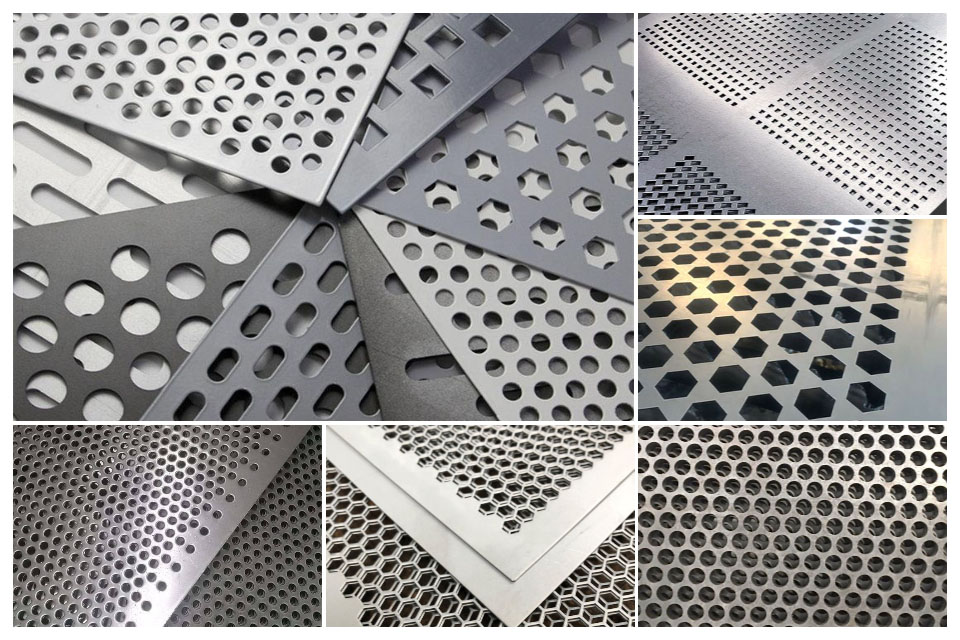
Bij het zoeken naar schone, precieze sneden op roestvrijstalen plaatmetaal, vooral dikkere diktes, komen geavanceerde gereedschappen in beeld. Hier is een snel overzicht van de beste keuzes:
| Snijmethode | Geschikt voor | Voordelen | Nadelen |
|---|---|---|---|
| Elektrische/Elektrische knipsels | Dunne tot medium platen (tot ongeveer 16 gauge) | Minimale vervorming, schone randen, snel | Niet geschikt voor dik of zeer hard roestvrij staal |
| Dubbelgesneden knipsels | Middelzware platen | Snijdt zowel de boven- als onderranden schoon | Duurder, beperkt buigen van sneden |
| Plasmasnijder | Dikkere platen (16 gauge en hoger) | Hoge snelheids sneden, geschikt voor dik metaal | Vaardigheid vereist, hitte kan dunnere platen vervormen |
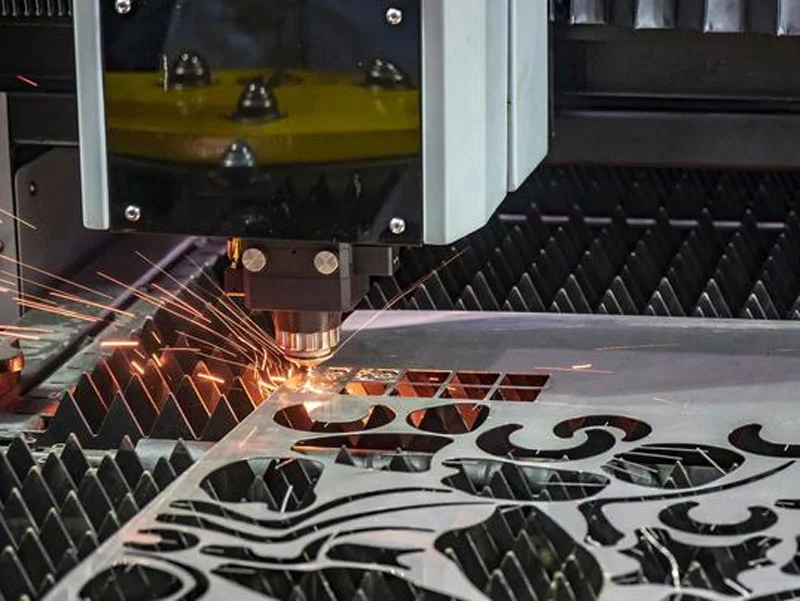
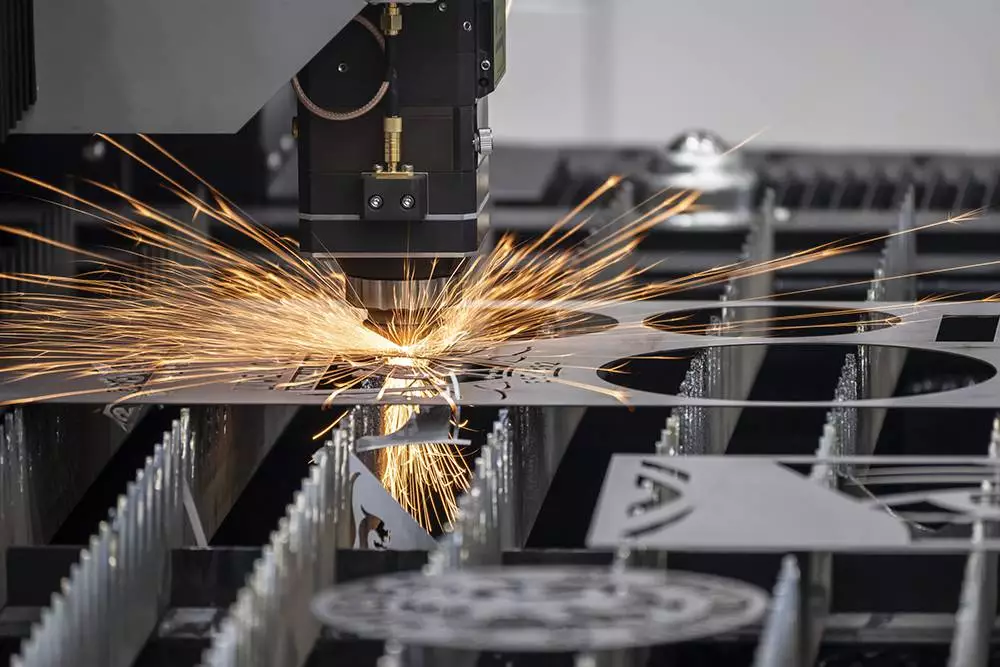
| Laser snijden (Professioneel) | Hoge precisie, complexe vormen | Zeer nauwkeurig, gladde randen, geen fysiek contact | Duur, vaak uitbesteed |
| Waterstraalsnijden (Professioneel) | Elke dikte, hittegevoelige werkzaamheden | Geen warmtevervorming, zeer schone randen | Langzaam, kostbaar, vereist gespecialiseerde opstelling |
| CNC knippen (Professioneel) | Rechte, schone sneden op grote platen | Hoge precisie, snelle productie | Beperkt tot rechte sneden, gereedschapskosten |
Elektrische/Power knipsels en dubbele knipsels
Als je werkt met dunnere roestvrij staal, zijn power knipsels en dubbele knipsels ideaal voor schone randen zonder warmte of vonken. Ze voorkomen dat het metaal buigt of vervormt, vooral handig als afwerking van de rand belangrijk is.
Plasmasnijder
Plasmasnijders werken snel en snijden gemakkelijk door dikker roestvrij staal zoals grades 304 of 316. Houd rekening met:
- Ideaal voor zwaar snijwerk op 16 gauge en dikker.
- Niet geschikt voor dunne platen, omdat warmte vervorming kan veroorzaken.
- Vereist een goede veiligheidsopstelling om vonken en dampen te beheersen.
Professioneel snijden: Laser, Waterstraal, CNC knippen
Voor zakelijke of hoogprecisie behoeften is het gebruik van professionals die laser, waterstraal of CNC knipsels gebruiken gangbaar. Deze methoden garanderen:
- Gladde, bramenvrije randen.
- Precieze vormen en ingewikkelde sneden.
- Geen hitte of mechanische vervorming (vooral waterstraal en laser).
Uitbesteden als je perfecte resultaten nodig hebt en je complexe of grote projecten hebt die verder gaan dan doe-het-zelf gereedschap.
Door de juiste te kiezen snijgereedschap voor roestvrijstalen plaatmetaal voor je maat en project, krijg je schonere sneden, bespaar je tijd en voorkom je kostbare fouten. Geavanceerde opties geven je de schoonste randen en de beste precisie wanneer handgereedschap of elektrische gereedschappen niet kunnen leveren.
Stapsgewijze beste praktijken voor schone, veilige sneden
Bij het snijden van roestvrijstalen plaatmetaal is voorbereiding alles. Eerst, markeer je snijlijn duidelijk met een fijnpunt permanent marker of een kraspen. Dit helpt je om je sneden precies te houden en fouten te verminderen.
Vervolgens Bevestig het werkstuk stevig—gebruik klemmen of een zware bankschroef. Dit voorkomt beweging en voorkomt dat het mes vastloopt, wat je snede kan verpesten of zelfs letsel kan veroorzaken. Draag altijd de juiste veiligheidsuitrusting: handschoenen, veiligheidsbril en gehoorbescherming, deze zijn onmisbaar bij het gebruik van elektrische gereedschappen of handgereedschap.
Tijdens het snijden, houd een consistente voersnelheid. aan. Duw niet te snel, anders loop je het risico dat het mes en het plaatmateriaal oververhit raken, wat verkleuring veroorzaakt en het metaal verzwakt. Voor gereedschap zoals haakse slijpers of zagen, laat het mes het werk doen—gelijkmatige druk en een soepele, gelijkmatige snede zorgen voor de beste randkwaliteit.
Koeling is belangrijk. Als je gereedschap dat toelaat, gebruik water of snijolie om het mes te koelen, wat helpt voorkomen dat je roestvrij staal verbrandt of vervorming. Zo niet, neem dan pauzes om dingen te laten afkoelen.
Let op de snelheid en richting van het mes. Gebruik messen die speciaal ontworpen zijn voor roestvrij staal, zoals bi-metaal messen voor decoupeerzagen of carbide tips voor cirkelzagen, en volg altijd de aanbevolen draairichting.
Vermijd veelvoorkomende fouten:
- Duw het mes niet door; dit veroorzaakt werkharden, waardoor het snijden moeilijker wordt.
- Vermijd vastlopen van het mes—dit gebeurt als je stuk verschuift of ongelijk snijdt.
- Houd de warmteontwikkeling in de gaten om vervorming en onveilige omstandigheden te voorkomen.
Door deze stappen te volgen, krijg je schone sneden op een veilige manier en vermindert de behoefte aan zware nabewerking of herwerk.
Na het snijden: Afwerking en ontbramen van roestvrijstalen plaatmateriaal
Na het snijden van roestvrijstalen plaatmateriaal is het afwerken van de randen cruciaal voor veiligheid en uitstraling. Scherpe randen kunnen verwondingen veroorzaken, en ruwe sneden kunnen de passing van onderdelen beïnvloeden.
Gereedschappen voor het gladmaken van randen:
- Vijlen: Een goede metalen vijl helpt om bramen en scherpe plekken op kleinere sneden te verwijderen.
- Schijfjes: Bevestig deze op een haakse slijper voor snellere, soepelere afwerking van randen op grotere stukken.
- Ontbramgereedschap: Handdeburrers zijn perfect voor snelle klussen en strakke hoeken.
Polijsttips voor esthetiek en functionaliteit:
- Gebruik een Roestvrijstalen polish of een fijne schuurpad om de glans te herstellen.
- Houd je werkruimte schoon om besmetting en roestplekken te voorkomen.
- Vermijd overpolijsten; dit kan dunne platen afslijten en de afmetingen beïnvloeden.
Door de tijd te nemen om na het snijden correct te deburren en te polijsten, zorg je voor een nette, professionele uitstraling en veiliger hanteren van je roestvrijstalen plaatmetaal. Deze stap is een must voor elk doe-het-zelf- of professioneel project met roestvrij staal.
Gereedschapsaanbevelingen en waar te beginnen
Als je net begint met het snijden van roestvrijstalen plaatmetaal, hier is een eenvoudige gids voor gereedschap op basis van je budget en behoeften.
Budgetinstelling onder $200 voor doe-het-zelf
- Blikschaar of vliegtuigschaar: Ideaal voor dunne roestvrijstalen platen van 22 gauge. Ze zijn betaalbaar en gemakkelijk te hanteren voor rechte of licht gebogen sneden.
- Handnibbler: Handig voor schone sneden met minimale vervorming. Perfect als je wat gedetailleerd werk wilt doen zonder de bank te breken.
- Hoekslijper met een roestvrijstalen snijschijf: Een veelzijdig elektrisch gereedschap voor snellere sneden. Zorg er wel voor dat je de juiste schijven gebruikt om brandplekken of ruwe randen te voorkomen.
Upgrade voor gemiddeld gebruik
- Kabel- of draadloze decoupeerzaag met bimetaal zaagblad: Als je vaak bochten of meer ingewikkelde vormen snijdt, betaalt dit zich uit. Zoek naar zaagbladen die geschikt zijn voor roestvrij staal voor soepelere sneden.
- Elektrische scharen of kracht-scharen: Deze helpen je grotere platen met schone randen en minder warmtevervorming te snijden. Het is de moeite waard als je regelmatig aan projecten werkt.
- Cirkelzaag met carbide-tandblad: Ideaal voor rechte sneden in dikkere platen. Klem je plaat stevig vast voor veiligere, preciezere resultaten.
Wanneer kiezen voor professioneel snijden bij MS Machining
- Als je het nodig hebt perfecte randen zonder vervorming, of werken met dikwandige roestvrijstalen platen (dikker dan 14 gauge), professionele diensten zoals MS Bewerking zijn de beste keuze.
- Laser snijden, waterstraal, of CNC knippen bij een professionele werkplaats zorgt voor hoge precisie, schone sneden, en een betere afwerking — waardoor je tijd bespaart en slijtage of afval van gereedschap voorkomt.
- Uitbesteding is ook logisch als je project vraagt om weinig tot geen nabewerking, of als je niet wilt investeren in dure gereedschappen voor een eenmalige klus.
Begin klein met budgetvriendelijke gereedschappen voor de meeste doe-het-zelf snijbehoeften van roestvrij staal, terwijl middenklasse apparatuur ideaal is wanneer je klaar bent om een stapje verder te gaan. En voor alles daarbuiten biedt MS Machining professionele snijoplossingen waarop je kunt vertrouwen.