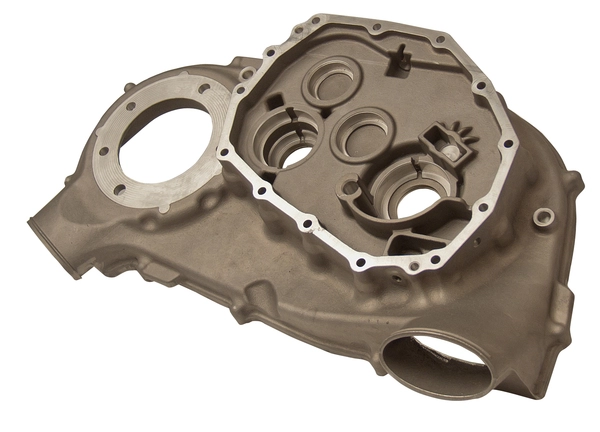
If you’re racing against tight deadlines and looking to cut down costs without sacrificing quality, colata di prototipi might just be your game-changer. From aerospace engineers to product designers, more teams rely on rapid prototype casting e prototype investment casting to turn digital concepts into real, functional metal parts—fast. This approach shrinks development cycles, lowers upfront expenses, and helps validate designs before full-scale production. Ready to explore how precision colata di prototipi accelerates innovation while keeping you on budget? Let’s dive in.
What Is Prototype Casting?
Prototype casting is a manufacturing technique used to create early-stage parts made from metal, allowing designers and engineers to test form, fit, and function before moving to full production. This process includes various methods such as rapid prototype casting, prototype investment casting, e sand casting prototypes, each offering unique benefits depending on project requirements.
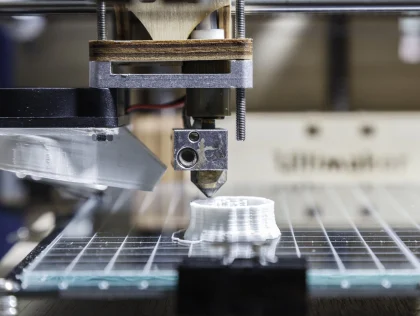
Rapid prototype casting uses fast pattern-making techniques, often integrating 3D printed casting patterns, to produce quick-turn metal prototypes. This speeds up development cycles by delivering functional metal parts ready for testing in a fraction of the time needed for traditional tooling.
Prototype investment casting, also known as lost wax prototype casting, provides high precision and excellent surface finishes. It’s ideal for intricate designs requiring tight tolerances, making it a preferred choice for complex, production-like prototypes.
Alternatively, sand casting prototypes offer cost-effective solutions for larger or simpler parts, often combined with hybrid approaches that merge additive manufacturing patterns with traditional sand molds. This flexibility allows for economical prototyping without sacrificing quality.
One major advantage of prototype casting over plastic 3D prints is the use of real metals, which replicate production properties such as strength, heat resistance, and wear. This enables accurate casting design validation and functional testing that plastic parts cannot match, ensuring reliable insights before scaling to production.
The Rapid Prototype Casting Process: Step by Step
Rapid prototype casting starts with a clear design intake and CAD simulation phase. Here, we review your design specs and run simulations to predict how the metal will flow and solidify. This step helps catch flaws early, saving time and cost down the line.
Successivamente si passa a pattern and mold creation, often using 3D printing and quick tooling methods. These 3D printed casting patterns speed up mold making compared to traditional tooling, enabling fast turnaround on complex shapes.
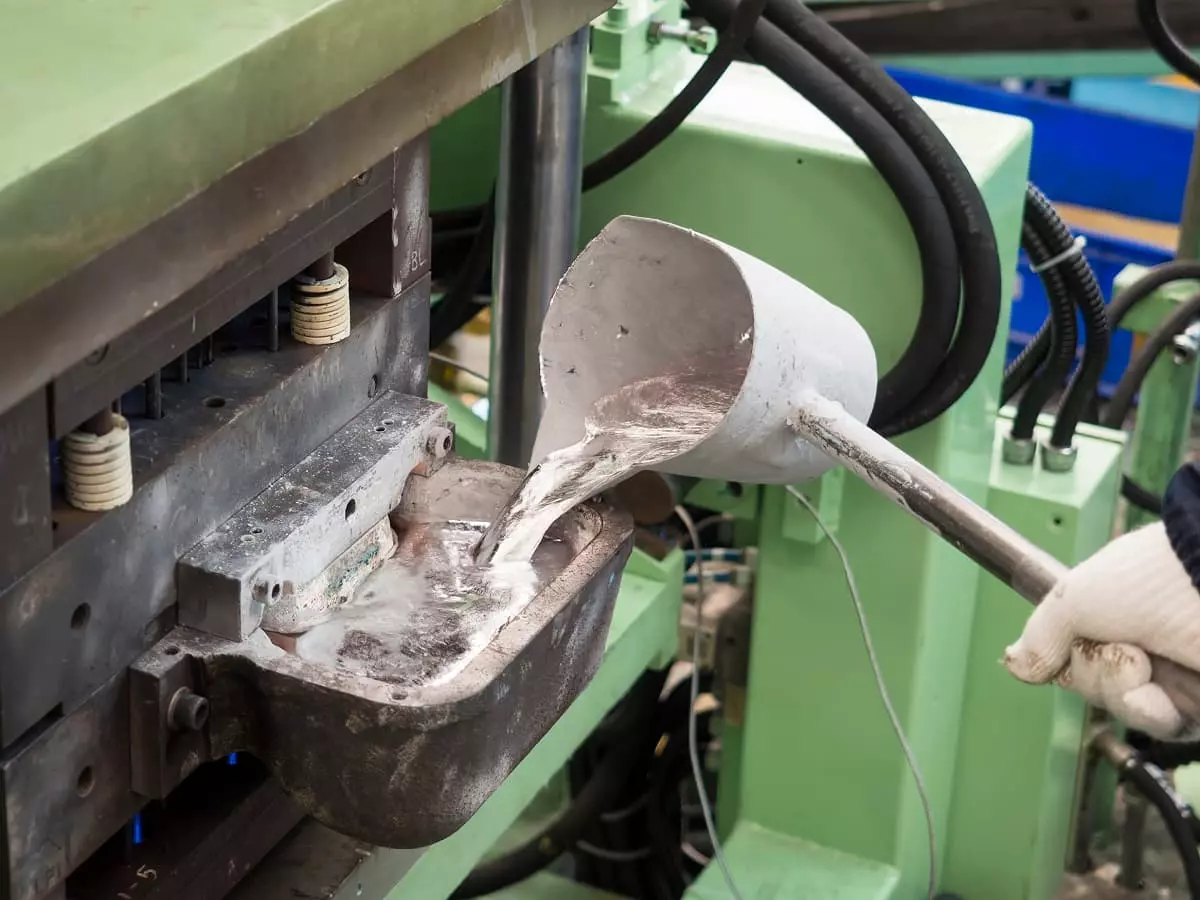
Once the mold is ready, we proceed to mold assembly and metal pouring. Molten metal is poured into the mold under controlled conditions to ensure precision and reduce defects.
After pouring, parts go through cooling and initial finishing, where the casting solidifies and is removed from the mold. At this stage, rough edges are trimmed, and the casting is prepared for further refinement.
Operazioni secondarie often include CNC machining to reach tight tolerances or specific finishes, plus heat treatment to enhance mechanical properties. These finishing steps ensure the prototype matches functional and dimensional requirements.
Finally, every casting undergoes inspection and quality assurance using various measurement and testing techniques, guaranteeing the prototype’s reliability before moving to functional testing or production scaling.
This complete process enables fast, effective production of functional metal prototypes with production-grade accuracy, improving design validation and reducing lead times. For more on machining precision parts, see how CNC machining trends are shaping rapid prototype workflows.
Key Advantages of Prototype Casting
Prototype casting offers several benefits that make it a top choice for product development in the U.S. market:
-
Faster development cycles and time-to-market
Rapid prototype casting speeds up the process from design to physical part, allowing quicker evaluation and faster decision-making.
-
Cost savings with minimal tooling investment
Unlike full production tooling, prototype casting requires less upfront cost, making it ideal for testing without a big budget.
-
Design flexibility and complex geometries
Whether using prototype investment casting or sand casting prototypes, you can produce intricate parts that would be tough with other methods.
-
Functional testing with production-grade metals
Casting prototypes in real metals lets you test parts under real conditions, ensuring they perform reliably in the field.
-
Risk reduction and quick iteration
Casting prototypes quickly helps identify design flaws early and iterate faster, reducing costly surprises during mass production.
-
Bridge to low-volume production
Prototype casting often serves as a stepping stone to low-volume metal casting runs, smoothing the transition from prototype to production.
Using techniques like rapid prototype casting and precision metal casting gives you a competitive edge by delivering high-quality, functional metal prototypes without the wait or high expenses of traditional methods. For those looking to optimize metal parts fabrication, incorporating prototype casting in the workflow is a smart move.
Prototype Investment Casting vs. Other Methods
Prototype investment casting stands out for its exceptional surface finish and ability to achieve tight tolerances, making it ideal for functional metal prototypes that need to closely represent final production parts. This process, often called lost wax prototype casting, is perfect when you need detailed, accurate, and complex geometries without excessive post-processing.
On the other hand, sand casting prototypes serve well for larger parts and are more economical, especially when you’re working with lower precision requirements or bulkier components. While sand casting may not offer the same fine detail as investment casting, it’s a cost-effective choice for certain industrial machinery parts or simpler designs.
Hybrid methods combining additive manufacturing with traditional casting are increasingly popular, using 3D printed casting patterns to speed up tooling and reduce lead times. This blend helps capture complex shapes quickly while cutting down costs, offering a flexible middle ground.
Choosing the right prototype casting method depends largely on your project needs, size, material preferences, and budget. Whether you require the precision of investment casting or the scalability of sand casting, aligning these factors early ensures smoother development and better results. For complex parts that also need machining, integrating CNC machining processes on castings can boost accuracy—check out our expertise in CNC multiaxis turning for details.
Applications and Industry Use Cases
Prototype casting plays a vital role across various industries in the U.S., thanks to its ability to deliver functional metal prototypes quickly and accurately. In aerospace, lightweight components and engine parts rely heavily on precision metal casting to meet strict performance and safety standards. For automotive, prototype casting is ideal for producing brackets, housings, and complex parts that require durability and tight tolerances.
Medical fields benefit from prototype investment casting for implants and device components, where biocompatible alloys and exact dimensions are crucial. Industrial machinery and consumer products also use sand casting prototypes and hybrid methods to test parts before full production runs, ensuring that design and function align perfectly.
Each of these applications demands rapid prototype casting methods that reduce lead times while providing production-grade materials, helping manufacturers accelerate development and reduce risks. For those interested in the precision aspect, complementary processes like CNC machining further refine complex parts, which you can explore in our guide on Lavorazione CNC di parti complesse.
Materials, Design Considerations, and Best Practices
When it comes to prototype casting, choosing the right alloy is key. Metals need to match your part’s strength, corrosion resistance, and weight requirements. For example, aluminum prototype casting is popular for lightweight parts, while stainless steel suits applications needing higher durability and corrosion protection.
Design for manufacturability helps avoid headaches during casting. Keep draft angles clear to allow easy mold release, maintain consistent wall thickness for uniform cooling, and add fillets to reduce stress points. These simple tweaks improve casting quality and reduce defects like porosity or cracking.
Tolerances and surface finishes also matter a lot. Prototype investment casting can achieve tight tolerances and smooth finishes, often saving time on post-processing. Still, some secondary operations like machining or heat treatment may be needed to meet final specs. Using precision CNC machining along with casting ensures the final prototype matches your vision accurately.
Following these best practices in alloy choice and design makes your rapid prototype casting process faster, more reliable, and closer to production-ready quality. For advanced finishing and tight tolerance machining, explore expert services like componenti CNC di precisione for high-quality results.
Challenges and How to Overcome Them
Prototype casting often comes with challenges like shrinkage, porosity, and variable lead times. Shrinkage can impact final dimensions, while porosity affects strength and appearance. Lead time variability can disrupt tight development schedules, especially in rapid prototype casting where speed is crucial.
To tackle these issues, advanced simulation software plays a big role. Simulations help predict and adjust for shrinkage and porosity before production begins, saving time and materials. Quality controls at every step—from pattern creation to final machining—ensure consistency and catch problems early.
Partnering with experienced prototype casting providers makes a huge difference. Experts bring proven processes for minimizing defects, reliable scheduling, and seamless coordination across investment casting or sand casting prototypes. Their knowledge helps turn your designs into functional metal prototypes with fewer risks and faster turnaround, making the whole process smoother from prototype to production.
For example, combining simulation insights with precision CNC processes, like those found in soluzioni di ingegneria di precisione CNC, improves part quality and helps meet tight tolerances essential for prototype validation.
From Prototype to Production: Making the Transition
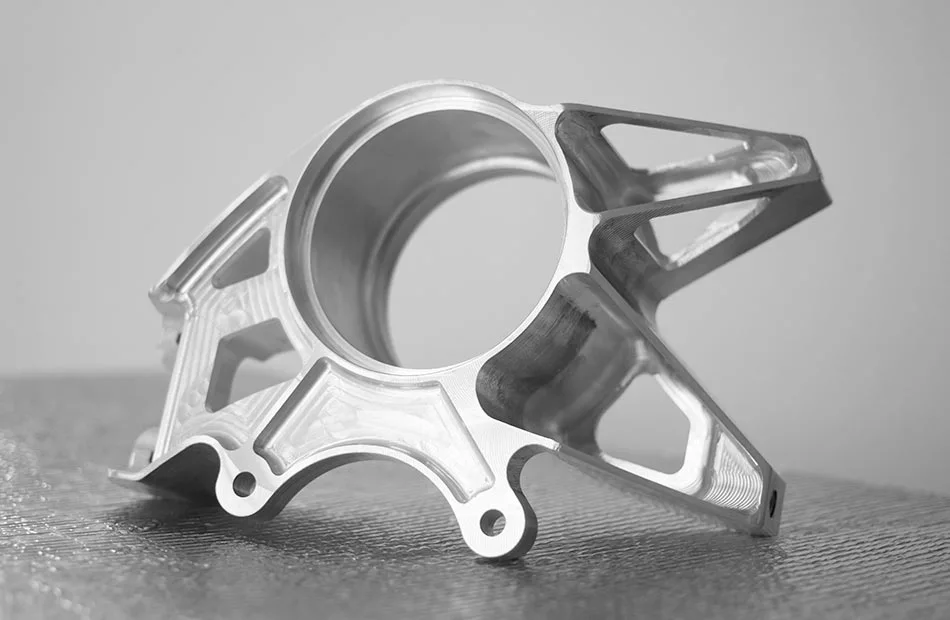
Moving from prototype casting to full production is a critical step that can save time and money. Prototypes play a vital role in fine-tuning design details and validating the casting process before committing to large-scale tooling. By using rapid prototype casting and prototype investment casting, you get real metal parts that closely mimic the final product—perfect for testing fit, form, and function.
Once the prototype phase confirms your design, prototype tooling becomes invaluable. These tools are designed for low-volume metal casting runs, offering a cost-effective bridge between prototyping and mass production. This approach helps avoid the hefty expense of full-scale tooling upfront while still producing production-grade parts for small batches.
This staged scaling lets you:
- Identify and resolve potential manufacturing issues early
- Adjust designs based on real-world testing results
- Ramp up production smoothly when demand increases
By leveraging these methods, you ensure a smoother, faster, and more informed transition from prototype to production casting. For precision finishing or custom modifications during this phase, incorporating la lavorazione CNC rapida can further enhance part quality and readiness for market.
Why Choose MS Machining for Your Prototype Casting Needs
MS Machining stands out for its expertise in rapid prototype casting and precision metal casting. Whether you need prototype investment casting or sand casting prototypes, we have the capabilities to deliver high-quality results.
Principali Vantaggi
| Caratteristica | Vantaggio |
|---|---|
| Rapid turnaround times | Meet tight deadlines with quick turn metal prototypes |
| Investment & sand casting methods | Flexibility to match your project needs |
| Quality certifications | Trust in consistent, reliable results |
| Customer-focused consultation | Personalized service for smooth project management |
We offer a customer-focused approach, working closely with you to ensure your design and production goals are met. Our team is skilled in all phases of the prototype casting process, from design intake and mold creation to post-processing and inspection. For clients needing additional precision or weld repairs, our experience with lavorazioni CNC su contratto e macchina di saldatura CNC services adds extra value.
With MS Machining, you get more than just a vendor — you get a partner ready to help you accelerate your product development and transition smoothly from prototype to production.